President Donald Trump has refused to apologize for sharing a deeply racist video depicting former President Barack Obama and former First Lady Michelle Obama as primates, declaring "I didn't make a mistake" despite widespread condemnation from both sides of the political aisle and international allies.
The controversy erupted after Trump posted the video to his Truth Social platform late Thursday, February 5, 2026, showing the Obamas' faces superimposed on dancing monkeys with "The Lion Sleeps Tonight" playing in the background. The AI-generated content remained online for approximately 18 hours before being deleted Friday afternoon following intense backlash.
The video, embedded within what appeared to be election conspiracy theory content, originated from a October 2025 post on X (formerly Twitter) captioned "President Trump: King of the jungle." The racist imagery represents a significant escalation from Trump's historical "birther" conspiracy theories targeting the nation's first Black president and First Lady.
White House Response Evolves Amid Criticism
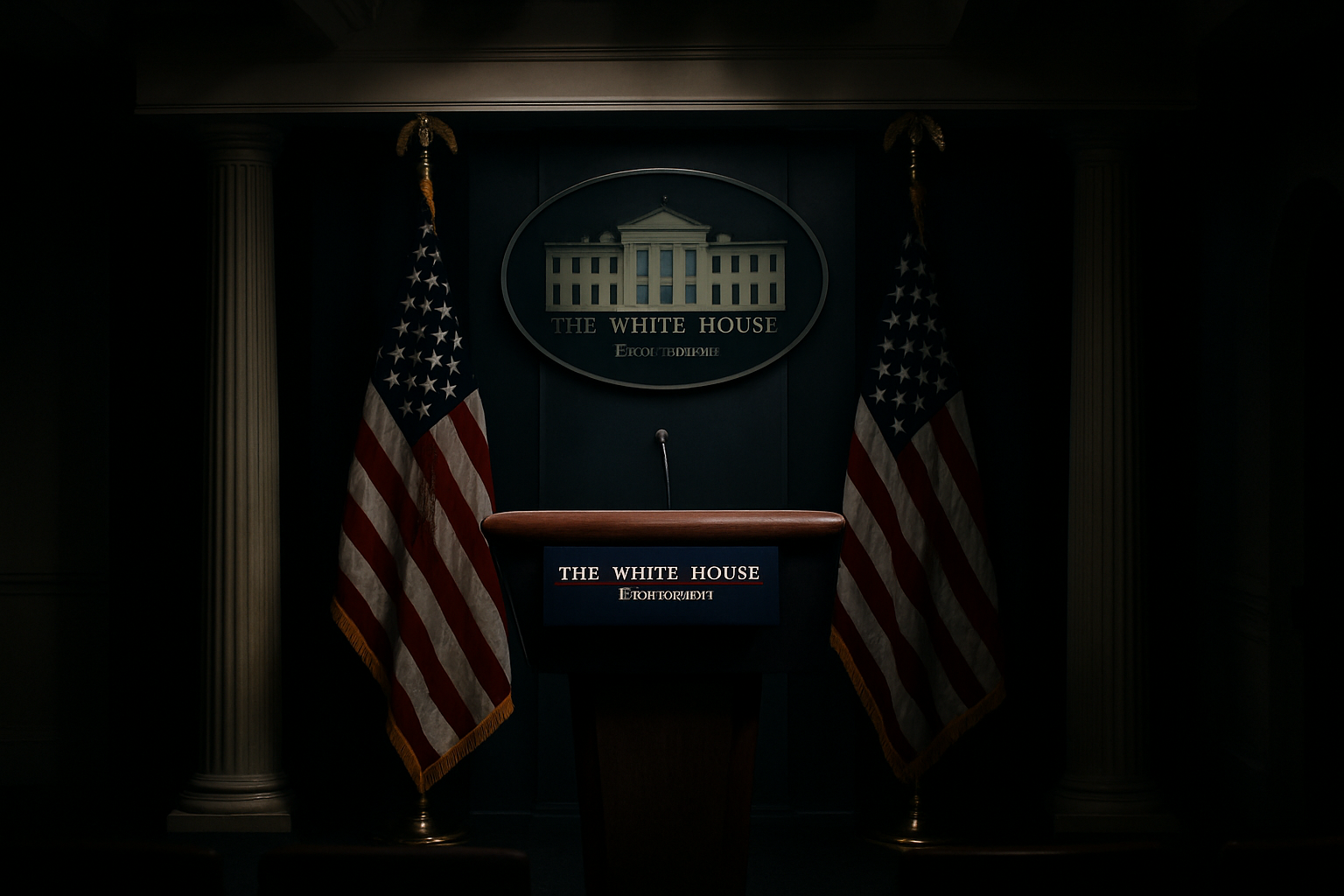
Initially, White House Press Secretary Karoline Leavitt dismissed the mounting criticism as "fake outrage" over what she characterized as an "internet meme." However, as condemnation intensified, the administration's response shifted dramatically.
By Friday afternoon, White House officials claimed the post was made "erroneously" by a staff member, attempting to distance the president from the racist content. Trump himself later told reporters he had "only saw the first part, didn't watch it completely," but subsequently declared he "didn't make a mistake" and refused to issue an apology.
"I made no mistake sharing that video. There doesn't have to be an apology for everything,"
— President Donald Trump
The video's prolonged presence on Trump's platform, which has minimal content moderation, allowed it to be widely distributed for nearly a full day before removal, amplifying its reach and impact across social media networks.
Bipartisan Political Condemnation
The racist imagery prompted rare bipartisan criticism, with Republicans joining Democrats in condemning the content as fundamentally inappropriate for any public official, particularly the President of the United States.
House Speaker Nancy Pelosi characterized the video as "vile, racist filth" that "degrades the office of the presidency." Republican Senator Tim Scott, one of the few Black Republicans in Congress, issued a statement condemning the content as "unacceptable and deeply offensive to all Americans."
Former Vice President Kamala Harris criticized what she termed a White House "cover-up" following the video's deletion, arguing that the administration's shifting explanations demonstrated a lack of accountability for racist content.
The controversy has crossed traditional party lines, with multiple Republican lawmakers expressing discomfort with the imagery, though most stopped short of directly criticizing Trump by name.
International Media Coverage and Diplomatic Concerns
The racist video has generated extensive international coverage, with media outlets in over 17 countries reporting on the controversy. French newspaper Le Monde used particularly strong language, describing the incident with "bloodbath" terminology, while Swedish and German outlets directly labeled the content "racist."
The timing of the controversy has raised diplomatic concerns, occurring during sensitive Ukraine peace talks in Abu Dhabi and ahead of crucial Iran nuclear negotiations scheduled for February 7 in Oman. International observers have questioned how the incident might affect American moral authority in global diplomacy.
European media coverage has been particularly critical, with several outlets questioning the stability of American democratic institutions and the normalization of racist discourse at the highest levels of government.
Civil Rights Organizations Respond
Civil rights organizations have emphasized the historical significance of racist imagery targeting the first Black president and First Lady, noting how such depictions echo the most painful chapters of American racial history.
The NAACP issued a statement calling the video "a deliberate attempt to dehumanize and demean not just the Obamas, but all Black Americans." The organization noted that such imagery has been used throughout American history to justify discrimination and violence against African Americans.
Other civil rights groups have pointed to the video as evidence of the ongoing challenges facing democratic norms and the need for stronger accountability mechanisms for elected officials at all levels of government.
Technology and Platform Accountability Questions
The incident has renewed debates about content moderation on social media platforms, particularly Truth Social's minimal oversight policies that allowed the AI-generated racist content to remain online for 18 hours despite clear violations of widely accepted community standards.
Technology experts have noted that the video appears to be AI-generated or heavily manipulated content, raising questions about how platforms should handle synthetic media that depicts real individuals in degrading or false scenarios.
The prolonged distribution time has highlighted the challenges of governing AI-generated content and the responsibility of platform owners to prevent the spread of racist or defamatory material, regardless of the poster's status or influence.
Historical Context and Escalation
The racist video represents a significant escalation from Trump's previous attacks on the Obamas, which primarily focused on "birther" conspiracy theories questioning Barack Obama's citizenship and eligibility for the presidency. This latest incident crosses into explicit racist imagery that targets both the former president and First Lady.
Political historians have noted that while presidents have often criticized their predecessors, the use of dehumanizing racist imagery against a former president and First Lady represents an unprecedented breach of democratic norms and basic decency.
The incident occurs amid broader concerns about the erosion of democratic institutions and the normalization of previously unacceptable political behavior, with many observers viewing it as a test of how American society responds to racist attacks on its highest elected officials.
Obama Family's Measured Response
Representatives for Barack and Michelle Obama have declined to issue public statements regarding the racist video, maintaining the former First Family's typical approach of not directly engaging with such attacks. This restraint has been noted by political observers as demonstrating dignity in the face of explicit racist provocation.
The Obama family's silence has been interpreted by some as strategic, avoiding giving additional attention to the racist content while allowing others to condemn the imagery on their behalf.
Broader Implications for American Politics
The controversy has raised fundamental questions about the boundaries of acceptable political discourse and the responsibility of elected officials to maintain basic standards of decency and respect, particularly regarding racial issues.
Political scientists have noted that the incident represents a critical test of American democratic resilience, measuring how institutions and civil society respond to racist attacks on former leaders and whether such behavior faces meaningful consequences.
The international coverage and diplomatic concerns demonstrate how domestic political controversies can have far-reaching effects on America's global standing and credibility in promoting democratic values and human rights worldwide.
As the controversy continues to generate headlines both domestically and internationally, it underscores the ongoing challenges facing American democracy and the critical importance of leadership that upholds rather than undermines the principles of equality and human dignity that the nation claims to represent.