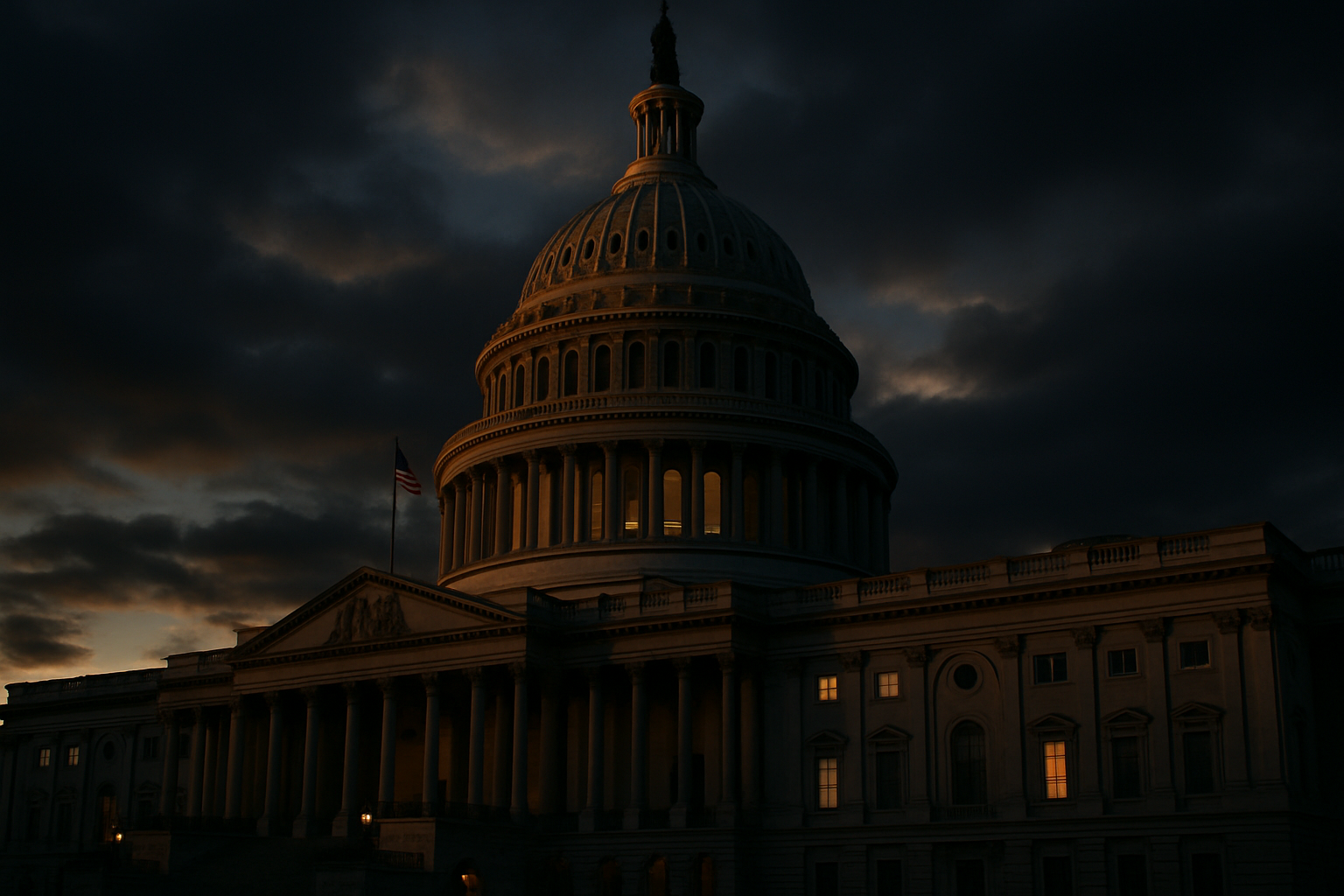
President Donald Trump on Monday urged Congress to swiftly pass a spending bill to end a partial federal government shutdown that has now entered its third day, as budget negotiations remain stalled in Washington over immigration enforcement reforms.
In a post on his Truth Social platform, Trump called for bipartisan support to resolve the crisis. "I hope all Republicans and Democrats will join me in supporting this Bill, and send it to my desk WITHOUT DELAY," the President wrote, emphasizing that no changes could be made to the current proposal.
The shutdown began Saturday, February 1, 2026, following a breakdown in negotiations triggered by Democratic anger over the killing of two protesters in Minneapolis by federal immigration agents, which derailed talks over new funding measures.
Immediate Impact on Federal Operations
The partial shutdown has already begun affecting key government functions. The Labor Department announced Monday that it would not release the scheduled January jobs report on Friday due to the shutdown, marking the first concrete economic impact of the budget impasse.
"The Labor Department, citing the partial federal government shutdown, said Monday that it will not release the January jobs report on Friday as scheduled," according to official statements from the agency.
The delay of the jobs report comes at a critical time when economic analysts and markets are closely watching employment data for signs of the economy's health under the new administration.
Congressional Leadership Expresses Confidence
House Speaker Mike Johnson (Republican, Louisiana) has expressed confidence that he has sufficient Republican votes to end the shutdown by Tuesday, February 3, 2026. Speaking on NBC's Meet the Press, Johnson announced that the House will debate Immigration and Customs Enforcement (ICE) reforms for two weeks after the shutdown ends.
The negotiations have been complicated by transportation problems from a southeastern snowstorm that has affected lawmakers' ability to return to Washington for crucial votes.
Immigration Enforcement at Center of Dispute
The current crisis is directly linked to broader immigration enforcement reforms and national outcry over recent incidents involving federal agents. Key negotiation points include demands for federal immigration agents to wear identification badges and prohibitions on covering their faces during operations.
The dispute reflects deeper tensions over the Trump administration's immigration policies and enforcement practices, which have drawn both strong support from Republicans and fierce opposition from Democrats.
"No changes can be made to the current proposal at this time."
— President Donald Trump, Truth Social
International Reaction and Concerns
The government shutdown has drawn attention from international media and foreign governments, who view the budget crisis as a sign of political dysfunction in Washington. News outlets across Europe, Asia, and the Middle East have covered the story, with many expressing concern about the stability of U.S. government operations.
The shutdown comes at a particularly sensitive time as the Trump administration is engaged in several high-stakes international negotiations, including ongoing diplomatic efforts with Iran and major trade discussions with various partners.
Economic and Market Implications
Beyond the immediate delay of the jobs report, the shutdown threatens to disrupt other government functions that are crucial for economic activity. Federal agencies responsible for processing permits, conducting inspections, and providing regulatory guidance are operating with skeleton crews or have suspended operations entirely.
Financial markets have shown nervousness about the political uncertainty, with concerns that a prolonged shutdown could undermine confidence in the U.S. government's ability to function effectively.
Looking Ahead: Tuesday Deadline
All eyes are now on Tuesday, February 3, 2026, as the critical deadline for resolving the crisis. House Speaker Johnson's confidence about securing Republican votes suggests that party leadership believes they have the necessary support to move forward.
However, the success of any resolution will depend on whether Democrats are willing to support a measure that addresses their concerns about immigration enforcement practices while allowing the government to resume normal operations.
The three-day shutdown, while relatively brief compared to some historical precedents, has already demonstrated the immediate consequences of political gridlock on essential government services. As negotiations continue, the pressure mounts on both parties to find a compromise that can restore federal operations while addressing the underlying policy disputes that led to this crisis.
The resolution of this shutdown will likely set the tone for future budget negotiations and could influence how Congress approaches similar disputes throughout the remainder of Trump's term in office.