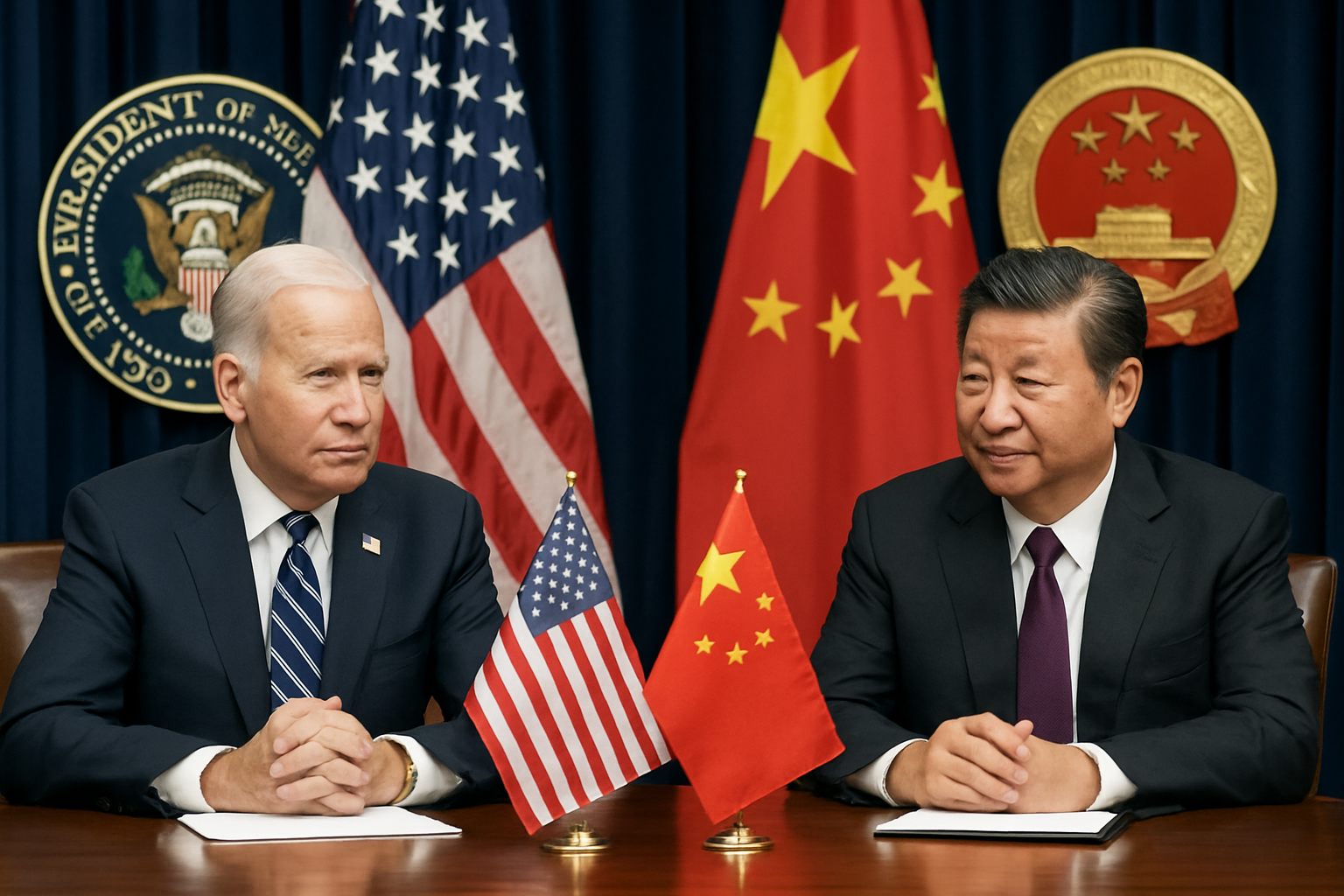
U.S. President Donald Trump and Chinese President Xi Jinping held a "lengthy and detailed" phone conversation on February 4, 2026, discussing critical issues including Taiwan, trade relations, Iran, and the Russia-Ukraine conflict, with Trump announcing his intention to visit China in April.
The high-stakes diplomatic call came just hours after Xi held a video conference with Russian President Vladimir Putin, highlighting the complex triangular dynamics between the world's three largest nuclear powers during a period of heightened global tensions.
Comprehensive Agenda Covers Global Flashpoints
According to statements from both sides, the phone call addressed multiple pressing international issues that have strained U.S.-China relations in recent years. Trump described the conversation as "excellent" and expressed optimism about the trajectory of bilateral relations.
"We had a very good conversation. I think we're going to have a lot of positive results from our relationship," Trump stated, confirming that the call covered "many important topics" including military affairs, trade, Iran, Taiwan, and the ongoing war in Ukraine.
Chinese state media provided limited details about the conversation, maintaining Beijing's typical diplomatic discretion regarding high-level international communications. However, Italian media reports suggested that Xi emphasized the potential for both nations to "resolve issues through mutual respect" and called for 2026 to be a "year of peaceful coexistence and cooperation between China and the United States."
Trump Confirms April 2026 China Visit
A significant development from the conversation was Trump's confirmation that he will travel to China in April 2026, marking what would be his first visit to Beijing since taking office for his second term. The planned visit represents a notable diplomatic warming after months of trade tensions that had escalated under various tariff regimes.
The timing of the visit coincides with what appears to be a broader stabilization of U.S.-China relations following a fragile trade truce reached during a meeting between the two leaders in South Korea in October 2025.
Strategic Timing Amid Regional Tensions
The Trump-Xi conversation took place against a backdrop of significant regional developments. Just hours earlier, Xi had conducted a strategic video conference with Russian President Vladimir Putin, reinforcing what both leaders have described as an "unlimited" partnership amid growing global tensions.
The Putin-Xi call, which occurred on the same day as the Trump-Xi conversation, underscores the complex diplomatic choreography currently playing out between the three nations. Putin and Xi discussed energy cooperation, high-technology collaboration, and their shared vision of a "multipolar world order" as a counterweight to Western influence.
Taiwan and Regional Security Discussions
While specific details about the Taiwan discussion were not disclosed, the topic remains one of the most sensitive issues in U.S.-China relations. The conversation occurred against the backdrop of ongoing tensions in the Taiwan Strait and recent developments in China's military leadership, including the corruption investigation of General Zhang Youxia, a key figure in China's Central Military Commission.
Trump indicated that both leaders addressed regional security concerns, though he provided no specifics about any agreements or understandings reached regarding Taiwan's status or regional military activities.
Trade and Economic Cooperation Framework
The phone call also addressed bilateral trade relations and economic cooperation between the world's two largest economies. According to Trump's statements, the conversation included discussions about Chinese purchases of American agricultural products and energy, suggesting potential areas for expanded economic ties.
This economic dimension of the conversation comes as both nations navigate complex global supply chains and seek to reduce dependencies that have created vulnerabilities in critical sectors, from rare earth minerals to advanced semiconductors.
Iran and Middle East Dynamics
The inclusion of Iran in the conversation agenda reflects both nations' interests in Middle Eastern stability, albeit from different strategic perspectives. The discussion occurred as the Trump administration prepares for nuclear negotiations with Iran scheduled for February 7, 2026, in Turkey, with Chinese support for diplomatic solutions to regional tensions.
Both leaders reportedly discussed the importance of preventing military escalation in the Middle East, where tensions have remained high following various regional conflicts and proxy confrontations.
Ukraine War and Global Stability
The conversation also addressed the ongoing Russia-Ukraine conflict, with both leaders discussing pathways toward resolution. This topic carries particular significance given Xi's concurrent discussions with Putin and the upcoming trilateral peace talks in Abu Dhabi involving Ukraine, Russia, and the United States.
The timing of the Trump-Xi call, coming just as Russia launched what Ukrainian officials described as the "most powerful" energy infrastructure attack of 2026, adds complexity to the diplomatic calculations of all parties involved in seeking a resolution to the conflict.
Historical Context and Diplomatic Significance
The February 4 phone call represents the latest in a series of high-level communications between Trump and Xi, with their previous conversation occurring in late November 2025. Following that earlier call, Trump had characterized U.S.-China relations as "extraordinarily strong," signaling a diplomatic thaw from previous periods of tension.
The conversation demonstrates both nations' recognition of the need for direct dialogue on critical global issues, even as they maintain competing strategic interests across multiple regions and issue areas.
Looking Ahead: April Summit Preparations
With Trump's confirmed visit to China scheduled for April 2026, both sides will likely intensify preparations for what could be a pivotal diplomatic engagement. The success of the April summit may depend on progress made in addressing the various issues discussed during their February phone call.
The planned visit occurs during a critical period for international relations, with multiple conflicts requiring coordinated responses and economic challenges demanding innovative approaches to bilateral cooperation.
As both leaders prepare for their face-to-face meeting, the international community will be watching closely to see whether the diplomatic momentum generated by their phone conversation can translate into concrete progress on the complex array of global challenges they discussed.