In the aftermath of one of Canada's deadliest school shootings, the tight-knit community of Tumbler Ridge, British Columbia, continues to grieve while supporting the families of eight victims and grappling with profound questions about mental health intervention failures.
On Tuesday, February 10, 2026, 18-year-old Jesse Van Rootselaar shattered the peace of this remote mining community of 2,400 residents when she entered Tumbler Ridge Secondary School with firearms, killing five students aged 12-13 and one educator before taking her own life. The rampage began at the family home, where Van Rootselaar first killed her mother Jennifer Strang, 39, and 11-year-old stepbrother.
A Community in Mourning
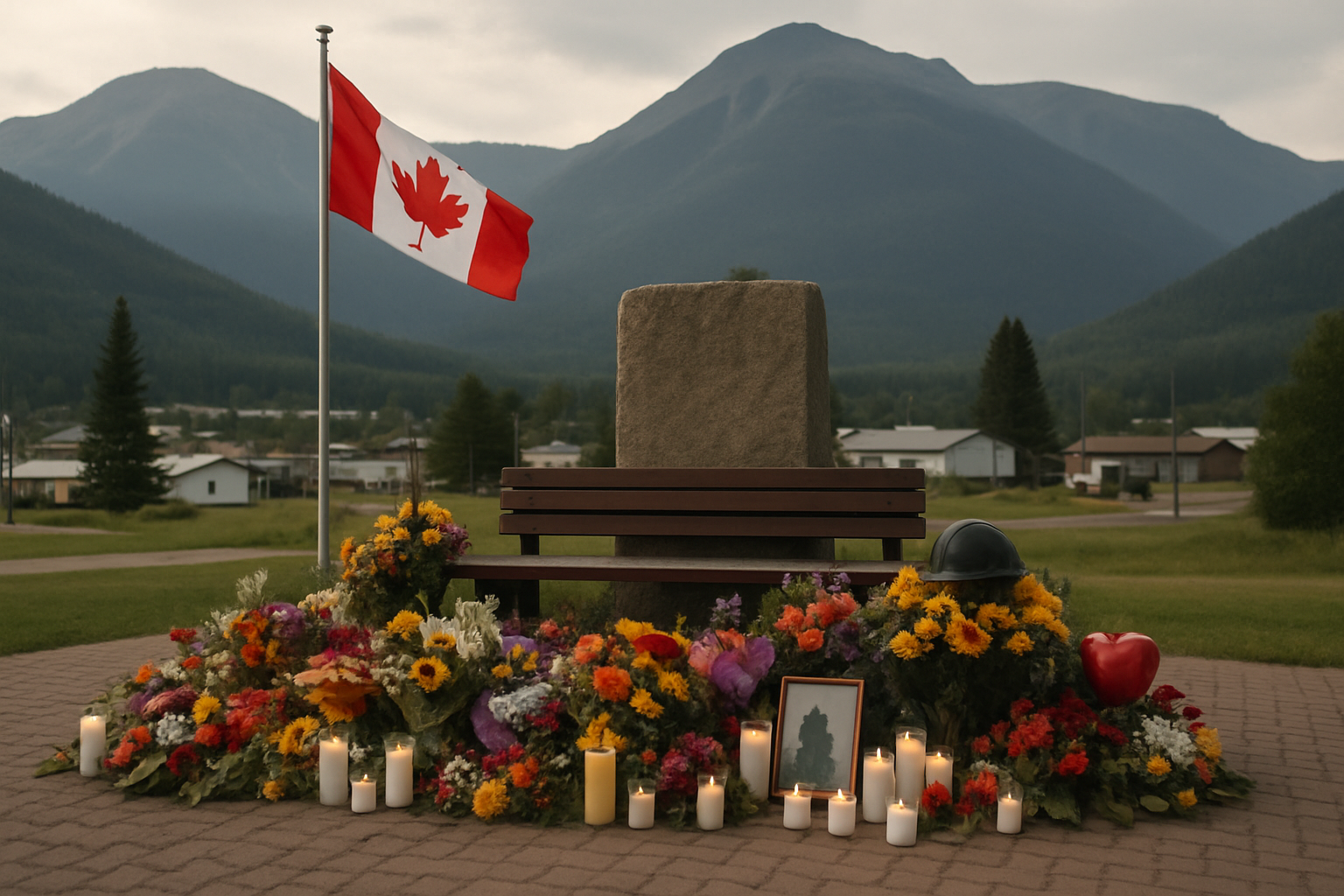
Since the tragedy, Tumbler Ridge has transformed into a place of collective grief and mutual support. Flowers, handmade cards, and memorial items have appeared throughout the town, while residents have come together to provide comfort to one another in ways that only a small community can.
"Flowers, hugs and free cups of comfort" have become symbols of how this Peace River Regional District community is processing an unimaginable loss, according to local reports. The tragedy has touched every corner of the town, where everyone knows everyone, and the victims were beloved members of families that have lived here for generations.
"Ticaria was a tiki torch powered by love and happiness," said Sarah Lampert, speaking through tears about her 12-year-old daughter who was among the victims.
— Sarah Lampert, Mother of Victim
Young heroes emerged from the chaos, with two female students reportedly springing into action to help their classmates during the attack. Their courage has become a source of strength for a community struggling to comprehend the violence that visited their school.
Investigation Reveals Systemic Failures
As the community mourns, disturbing details have emerged about missed opportunities to prevent the tragedy. RCMP Deputy Commissioner Dwayne McDonald confirmed that Van Rootselaar had been apprehended "more than once" under the provincial Mental Health Act for psychiatric assessments, and police had attended the family residence "on multiple occasions over the past several years" dealing with mental health concerns.
Perhaps most troubling, firearms had been previously seized from the Van Rootselaar home by police, only to be returned shortly before the massacre. This revelation has prompted urgent questions about gun control measures and the effectiveness of mental health interventions.
Van Rootselaar's father released a statement addressing what he called his child's "unforgivable act of violence," revealing that the shooter's mother had prevented him from being involved in raising their child from the beginning. The family dynamics paint a picture of a troubled household where warning signs may have been present but not adequately addressed.
Mental Health System Under Scrutiny
The case has exposed critical gaps in British Columbia's mental health intervention system. While the Mental Health Act allows for crisis intervention and psychiatric assessment, critics argue there is insufficient long-term follow-up care and support for individuals and families dealing with serious mental health issues.
The tragedy echoes concerns raised by mental health professionals across Canada about the need for comprehensive reform. A British Columbia psychiatrist had previously called for new mental health hospitals following other tragic cases, highlighting the gap between crisis intervention and sustained treatment.
Despite multiple psychiatric assessments and police interventions over several years, no clear motive has been established for Van Rootselaar's actions. The case demonstrates the challenges of preventing violence by individuals known to authorities but not under active supervision or long-term care.
Broader Context of School Violence
The Tumbler Ridge shooting occurred during what experts have termed a global educational safety crisis in February 2026. The tragedy was part of a devastating pattern of school violence across multiple countries within a 72-hour period, highlighting urgent international concerns about campus safety and mental health support systems.
Survivors of the 2020 Portapique shooting, Nova Scotia's deadliest mass shooting, have reached out to the Tumbler Ridge community with messages of hope and healing. Tammy Oliver-McCurdie, who lost family members in the Nova Scotia attack, understands the long road to recovery that lies ahead for the British Columbia community.
Political Response and National Attention
Prime Minister Mark Carney is scheduled to attend a vigil to mourn the victims, underscoring the national significance of the tragedy. The federal government's response comes as Canada grapples with questions about gun control measures and mental health funding.
The incident has sparked renewed discussions about firearms policy, particularly regarding the return of seized weapons to households with documented mental health concerns. Critics argue that more robust "red flag" laws could have prevented the firearms from being accessible to Van Rootselaar.
Community Healing and Moving Forward
As Tumbler Ridge begins the long process of healing, the focus remains on supporting the victims' families and the broader community. Crisis counseling services have been established, and neighboring communities have rallied to provide assistance.
The resilience of this small mining town, known for its peaceful atmosphere and close-knit community bonds, will be tested in the months and years ahead. The challenge now is ensuring that the lessons learned from this tragedy lead to meaningful changes in mental health care and violence prevention.
The investigation continues, with RCMP forensic specialists and mental health experts working to understand how someone known to authorities for mental health issues was able to access firearms and carry out such devastating violence. The case has become a catalyst for examining Canada's approach to mental health intervention, particularly the transition from crisis care to long-term support systems.
As the community continues to mourn, the memory of the eight victims – five children whose lives were just beginning and one educator dedicated to shaping young minds – serves as both a source of profound sadness and a call to action for preventing such tragedies in the future.