The United Arab Emirates has suspended all visa categories for Iranian nationals holding Iranian passports, implementing unprecedented travel restrictions as regional tensions continue to escalate across the Middle East.
The comprehensive visa suspension affects Iranian nationals across all entry categories, including tourist visas, visit permits, and residency documents, according to official statements from major UAE airlines. The restrictions represent one of the most significant diplomatic moves by the Emirates in response to ongoing regional security concerns.
Airlines Confirm Widespread Restrictions
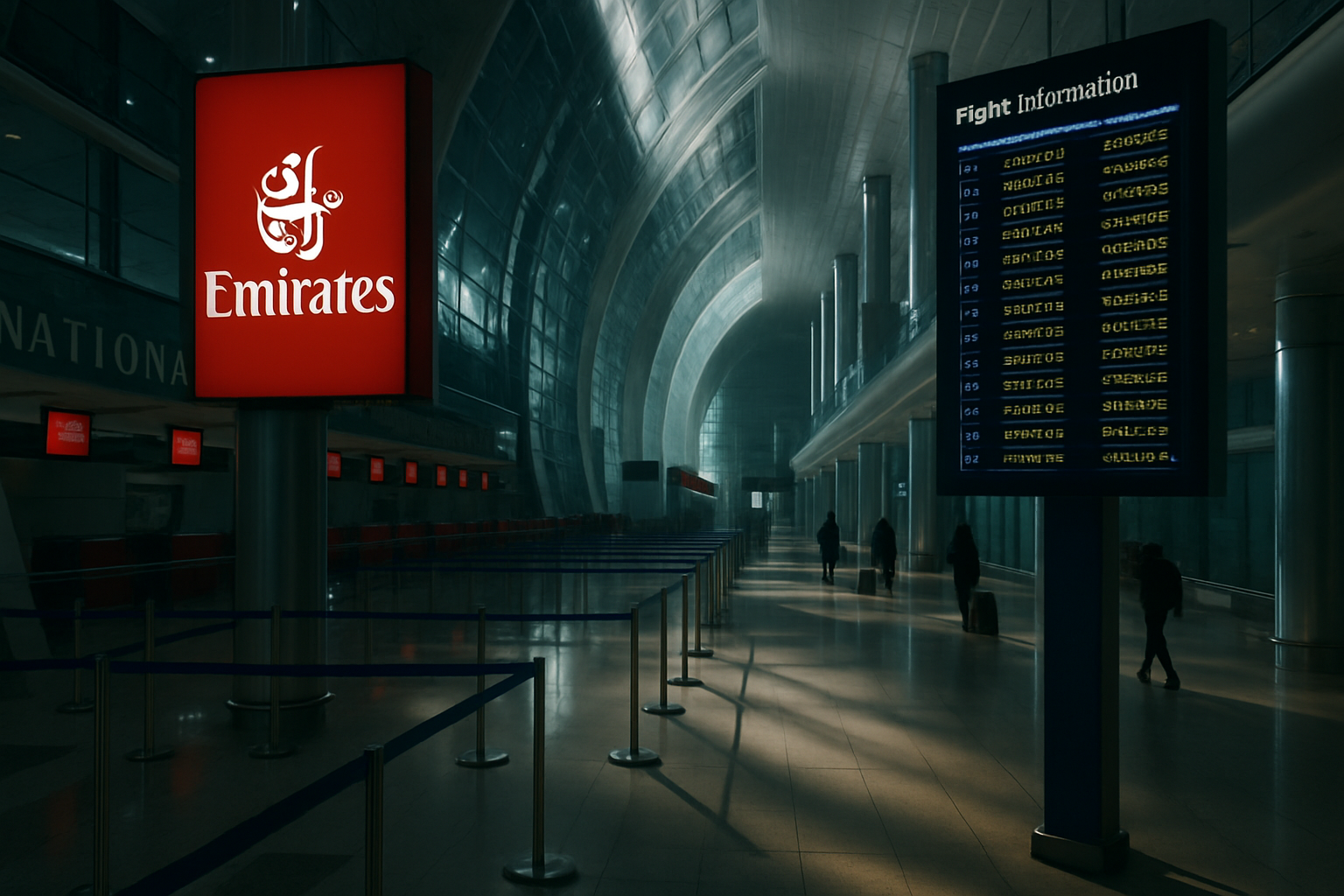
Dubai-based Emirates airline's website confirmed Wednesday that Iranian nationals are not allowed to enter or transit through the United Arab Emirates. The airline's official channels indicated the restrictions apply broadly to Iranian passport holders seeking any form of entry to UAE territory.
Flydubai, another major UAE carrier, specified that Iranian nationals holding UAE "Golden Visa" status remain exempt from the restrictions and are permitted to enter and transit through the country. The Golden Visa program, launched by the UAE to attract long-term investors and skilled professionals, provides extended residency rights to qualified individuals.
"The restrictions come amid heightened tensions between Iran and Gulf states."
— Regional Security Analyst
Historical Context of UAE-Iran Relations
The visa suspension occurs against the backdrop of the most severe regional crisis since the Cold War ended. The current tensions stem from a complete breakdown of US-Iran nuclear negotiations that had achieved breakthrough progress in Geneva, where both sides reached "broad agreement on guiding principles" - the most significant diplomatic advancement since the 2018 collapse of the Joint Comprehensive Plan of Action (JCPOA).
The diplomatic framework collapsed over fundamental disagreements regarding scope, with Iran maintaining that ballistic missiles and regional proxy activities represented "red lines" that should be excluded from nuclear-only talks. The United States, meanwhile, insisted on comprehensive agreements that would address missiles, armed groups, and human rights issues alongside nuclear concerns.
Regional Coalition Under Strain
The UAE's decision places additional pressure on what had been an unprecedented regional coalition of Saudi Arabia, UAE, Qatar, and Egypt that had been backing diplomatic processes to prevent military confrontation. This extraordinary Middle Eastern consensus had been crucial in supporting negotiations, but recent events have severely strained these relationships.
The Emirates has found itself directly impacted by regional conflicts, with one civilian killed in Abu Dhabi from missile debris and Dubai's Jebel Ali port experiencing significant disruptions. Dubai International Airport, the world's busiest with over 86 million passengers annually, has faced operational challenges due to regional instability.
Aviation and Travel Industry Impact
The visa restrictions add another layer of complexity to an already strained regional aviation sector. The Middle East has experienced unprecedented disruptions, with over 18,000 flights cancelled worldwide - the most extensive aviation crisis since the COVID-19 pandemic. Eight countries have simultaneously closed their airspace, creating the most comprehensive regional aviation disruption in modern history.
Major carriers including Emirates, Air France-KLM, Wizz Air, and Bulgaria Air have suspended operations affecting hundreds of thousands of passengers globally. The current restrictions on Iranian nationals further complicate travel patterns in a region that serves as a critical Europe-Asia aviation hub.
Energy Security Implications
The UAE's decision comes as regional tensions have created significant energy security concerns. The Strait of Hormuz, through which 40% of global seaborne oil transits, has become a focal point of geopolitical tensions. Oil prices have surged over 10% to more than $80 per barrel, while natural gas prices have increased 24% in Europe and 78% in the United States.
Major shipping companies Maersk and MSC have suspended operations in the Persian Gulf, with over 150 tankers stranded representing billions of dollars in cargo value. Qatar's LNG production has been halted, affecting approximately 20% of global exports and threatening European energy supplies.
International Evacuations and Diplomatic Response
The visa suspension occurs amid the largest coordinated international evacuation since the Arab Spring in 2011. Australia has 115,000 nationals requiring extraction, while Germany faces challenges with 30,000 stranded tourists. The European Union activated its ESTIA evacuation plan for the first time in the bloc's history, coordinating the extraction of over 2,000 EU nationals from the UAE.
Multiple governments have ordered immediate evacuations from Iran, citing "extremely uncertain" security conditions. The scale of international evacuation efforts reflects the severity of regional instability and its impact on civilian populations.
Nuclear Governance Context
The current crisis unfolds against a broader nuclear governance breakdown. The New START treaty between the United States and Russia expired in February 2026, marking the first time in over 50 years without US-Russia nuclear constraints. China's nuclear expansion and Iran's continued uranium enrichment at 60% purity - approaching the 90% weapons-grade threshold - have created what UN Secretary-General António Guterres describes as nuclear risks at their "highest level in decades."
Iran currently possesses sufficient enriched uranium for multiple weapons if weaponized, according to intelligence assessments. This nuclear dimension adds urgency to regional diplomatic efforts while complicating security calculations for Gulf states like the UAE.
Economic and Humanitarian Consequences
The restrictions on Iranian nationals will have significant humanitarian and economic implications. The UAE has historically served as a regional hub for business, tourism, and transit, with substantial Iranian communities and business relationships. The visa suspension effectively cuts these connections, potentially affecting thousands of individuals with established ties to the Emirates.
Financial markets have responded negatively to regional instability, with Pakistan's stock exchange experiencing its largest decline in history at -8.97%, while South Korea's markets fell 12% with circuit breakers activated. The economic ripple effects extend far beyond the immediate region.
Looking Ahead
The UAE's comprehensive visa suspension for Iranian nationals represents a significant escalation in regional diplomatic measures. As the crisis enters what experts describe as the most dangerous international situation since the end of the Cold War, the decisions made in the coming days and weeks will have implications extending decades into the future.
The current situation tests multilateral cooperation and crisis management capabilities in the modern era. Success in containing the regional confrontation could provide frameworks for future diplomatic solutions, while failure may accelerate military approaches to conflict resolution, fundamentally reshaping Middle Eastern geopolitics and international relations for generations to come.