A stark new reality confronts Uganda as the nation grapples with two interconnected crises that threaten to undermine decades of progress in both gender equality and economic development.
According to the latest "Women in Politics: 2026" map released by the Inter-Parliamentary Union (IPU) and UN Women, women remain vastly underrepresented in political leadership worldwide, with men continuing to dominate executive positions and parliamentary seats. The findings reveal that only one in seven countries globally are led by women, a statistic that has profound implications for nations like Uganda where economic challenges are mounting.
Debt Crisis Reaches Critical Threshold
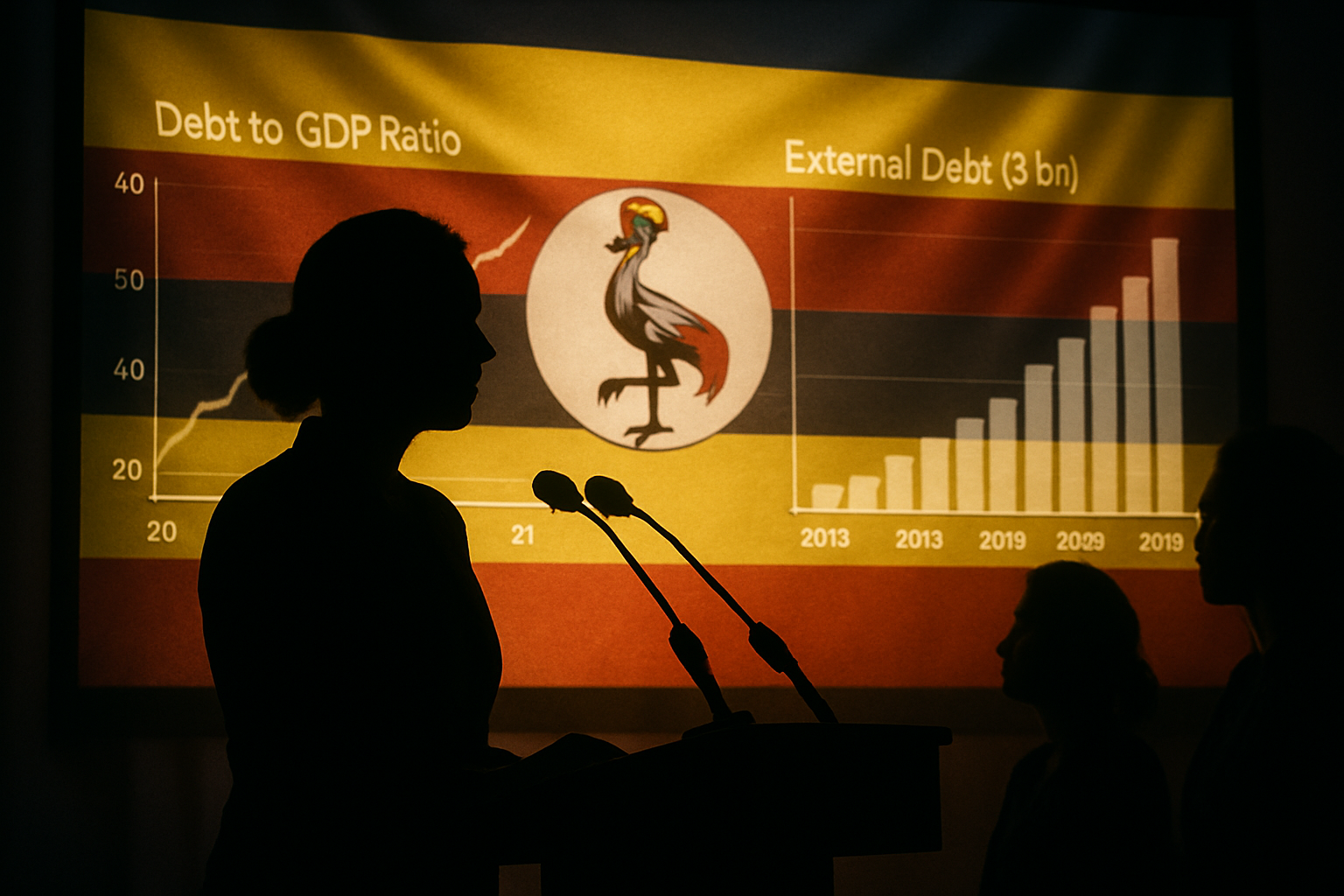
Uganda's public debt has surpassed the Shs130 trillion mark, reaching $34.86 billion (Shs130.844 trillion) by the end of December 2025, according to the Quarterly Debt Statistical Bulletin and Public Debt Portfolio Analysis released by the Ministry of Finance. This represents a significant escalation in the country's financial obligations, raising concerns about sustainable economic governance and long-term fiscal stability.
The debt milestone comes at a time when global research consistently demonstrates that countries with greater gender equality in leadership positions show stronger economic performance, enhanced innovation capacity, and more resilient community structures. This connection between women's political participation and economic outcomes makes Uganda's dual challenge particularly pressing.
The Global Gender Leadership Gap
The IPU and UN Women study, launched at an event during the 70th Commission on the Status of Women (CSW70) in March 2026, paints a sobering picture of women's representation in global politics. Despite decades of advocacy and policy initiatives, men continue to control the vast majority of executive positions worldwide.
"Women remain vastly underrepresented in political leadership worldwide, with men continuing to dominate executive positions and parliamentary seats."
— Inter-Parliamentary Union and UN Women Report
The study's findings are particularly relevant given Uganda's economic challenges. Research from multiple international development organizations shows that when women are empowered to lead, entire communities benefit from their innovation, determination, and vision. Countries investing in comprehensive women's empowerment consistently report stronger economic growth, increased innovation capacity, and more resilient economic structures.
Economic Implications of Gender Inequality
The connection between gender representation and economic performance is well-documented. Italy's economic modeling, for example, shows that bringing female employment to male levels would boost the country's GDP by 11-12%. Similar patterns have been observed across multiple economies, suggesting that Uganda's gender representation challenges may be contributing to its economic difficulties.
Uganda's debt crisis occurs within a broader context of global economic pressures and the ongoing "Therapeutic Revolution of 2026," which emphasizes prevention-first approaches to social and economic challenges. Countries implementing comprehensive prevention strategies—including gender-inclusive governance—report substantial cost reductions through decreased crisis interventions while achieving superior outcomes.
Historical Context and Global Trends
Memory of global gender equality initiatives reveals that March 2026 marked a significant paradigm shift from annual symbolic recognition to sustained daily commitment to women's rights and representation. The theme for International Women's Day 2026, "Rights. Justice. Action. For ALL Women and Girls," emphasized the need for continuous attention rather than periodic observance.
Uganda's challenges reflect broader patterns documented across multiple nations. Research shows that women worldwide have only 64% of the legal protections afforded to men, with 54% of nations lacking consent-based rape definitions and 75% of countries permitting child marriage. These systemic inequalities create cascading effects on economic development and governance quality.
The Path Forward
The convergence of Uganda's debt crisis with global gender representation challenges presents both risks and opportunities. Success factors identified from international best practices include sustained political commitment, comprehensive professional training, robust community engagement, and continued international cooperation.
Countries that have successfully addressed similar dual challenges demonstrate that gender equality must be treated as "fundamental community infrastructure" rather than individual crisis management. This approach requires daily attention and systematic policy implementation rather than reactive responses to emerging problems.
Regional and International Context
Uganda's situation unfolds against the backdrop of significant regional developments. The African Continental Free Trade Agreement (AfCFTA) creates opportunities for cross-border initiatives that could support both economic recovery and gender-inclusive development. Additionally, international partnerships, such as the US-EU-Japan Critical Minerals Partnership involving seven African nations, demonstrate evolving cooperation models that could benefit countries addressing complex governance challenges.
The timing is particularly significant as global environmental challenges intensify, with January 2026 marking the 18th consecutive month of temperatures exceeding 1.5°C above pre-industrial levels. Climate pressures often disproportionately affect women and can exacerbate both economic vulnerabilities and governance challenges.
Innovation and Solutions
Despite the challenges, emerging solutions offer hope. Technology platforms are enabling women entrepreneurs to access global markets, while data analytics help organizations identify and address systemic inequalities. However, experts warn that technological solutions can exacerbate inequalities without thoughtful implementation ensuring equal access to digital literacy training and technology sector employment.
The international community's response to Uganda's challenges will serve as a template for addressing similar intersecting crises elsewhere. The distributed cooperation models emerging through bilateral partnerships and regional collaboration networks offer alternatives to traditional aid approaches, enabling more culturally responsive solutions while maintaining evidence-based standards.
Critical Juncture
Uganda stands at a critical juncture where decisions made in the coming months will determine whether the country can transform its dual crisis into an opportunity for comprehensive reform. The international experience suggests that success depends on recognizing the interconnected nature of gender equality and economic governance rather than treating them as separate policy areas.
The path forward requires vigilance against setbacks, innovative solutions to persistent challenges, and the transformation of crisis management into systematic infrastructure building. As global research demonstrates, countries that fully utilize women's talents and perspectives consistently outperform those that maintain discriminatory practices, making gender-inclusive governance not just a moral imperative but an economic necessity.
The coming months will test whether Uganda can leverage international cooperation, implement evidence-based policies, and build the sustainable institutional changes necessary to address both its representation gap and its debt burden. The stakes extend beyond Uganda's borders, as the country's response to these challenges will influence regional development patterns and provide lessons for other nations facing similar intersecting crises.