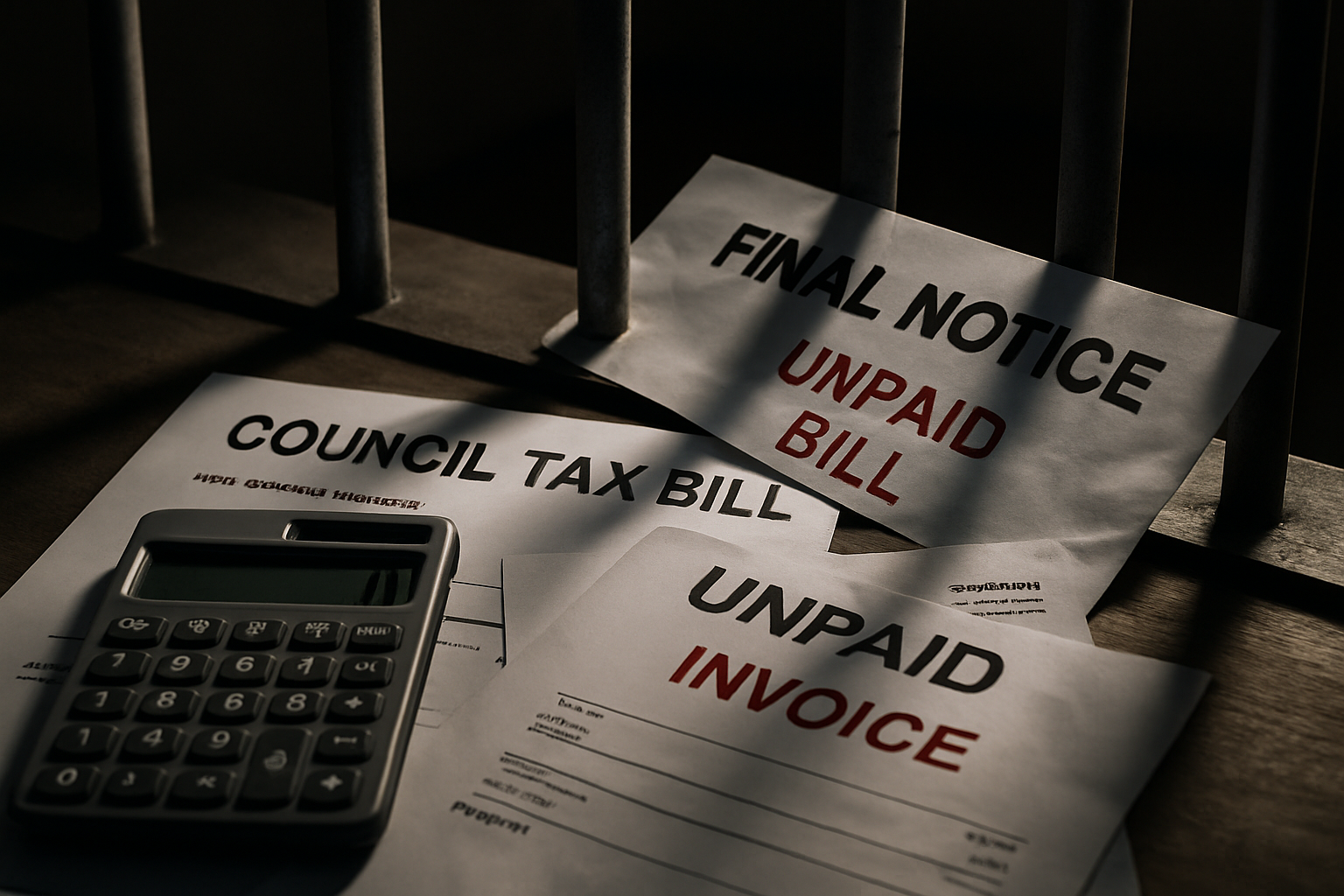
Leading debt charity StepChange has joined mounting calls for the abolition of imprisonment threats for council tax non-payment, exposing significant disparities in how local authorities across the United Kingdom pursue unpaid municipal taxes and reigniting debate over the intersection of civil debt and criminal justice.
The charity's intervention comes amid broader discussions about criminal justice system reforms, as courts nationwide grapple with unprecedented case backlogs while processing increasingly complex legal matters spanning financial crimes, institutional corruption, and civil liberties concerns.
Stark Regional Disparities in Enforcement
StepChange's analysis reveals "clear differences between councils when chasing unpaid tax," with some local authorities pursuing aggressive enforcement measures including magistrates' court proceedings that can ultimately lead to imprisonment, while others adopt more lenient approaches focused on payment arrangements and debt counselling.
The charity's findings highlight a postcode lottery system where residents facing identical financial hardships may encounter vastly different consequences depending on their local authority's enforcement philosophy. Some councils issue liability orders and commitment proceedings within months of missed payments, while others exhaust extensive support measures before considering legal action.
"The threat of imprisonment for what is essentially a civil debt matter creates unnecessary fear and anxiety for families already struggling with financial hardship," said a StepChange spokesperson. "We're seeing councils with remarkably different approaches to the same fundamental issue - how to fairly collect taxes while protecting vulnerable residents."
Criminal Justice System Under Unprecedented Strain
The council tax imprisonment debate emerges against the backdrop of a UK justice system experiencing severe operational pressures. Recent developments across Europe demonstrate similar institutional strain, with courts processing complex cases involving high-profile corruption, financial crimes, and constitutional challenges while maintaining democratic oversight functions.
The intersection of civil debt collection and criminal courts adds further complexity to an already overburdened system. Magistrates' courts, tasked with processing council tax enforcement cases alongside serious criminal matters, face resource constraints that affect their ability to provide thorough consideration of individual circumstances in debt cases.
"Using the criminal justice system to enforce civil debt collection represents a fundamental misallocation of judicial resources that could be better deployed addressing genuine criminal matters."
— Criminal Justice Reform Advocate
European Context and Reform Momentum
The UK debate occurs within a broader European context of justice system modernisation. Recent months have witnessed significant legal system developments across multiple jurisdictions, from specialized corruption courts in Romania to enhanced witness protection measures in Pakistan, demonstrating global efforts to adapt judicial institutions to contemporary challenges.
Legal experts note that many European jurisdictions have moved away from criminalizing civil debt non-payment, instead developing sophisticated civil enforcement mechanisms that protect both creditor rights and debtor welfare. These systems typically emphasize income assessment, payment plan arrangements, and social support integration rather than imprisonment threats.
Local Authority Revenue Pressures
Council tax represents a crucial revenue stream for local authorities facing severe financial pressures from reduced central government funding and increased service demands. Collection rates directly impact councils' ability to provide essential services, creating tension between enforcement effectiveness and social responsibility.
Recent local government financial crises, including several councils declaring effective bankruptcy, have intensified pressure on collection departments to maximize revenue recovery. However, advocates argue that imprisonment threats may actually reduce long-term collection rates by pushing vulnerable residents deeper into debt and away from engagement with support services.
Some progressive councils have reported improved collection outcomes through enhanced support services, early intervention programmes, and collaborative approaches with debt advice charities, suggesting that supportive rather than punitive measures may prove more effective for sustainable revenue collection.
Legislative Reform Proposals
Parliamentary discussions have begun exploring legislative changes that would remove imprisonment as an enforcement option for council tax non-payment, bringing the UK in line with other civil debt categories where imprisonment has already been eliminated.
Proposed reforms would maintain civil enforcement mechanisms including attachment of earnings orders, charging orders against property, and benefit deductions, while removing the threat of custody that advocates argue disproportionately affects vulnerable populations including those with mental health conditions, learning disabilities, and chaotic lifestyles.
The Ministry of Justice has indicated openness to reviewing debt enforcement mechanisms as part of broader criminal justice modernisation efforts, though no specific timeline has been established for potential legislative changes.
Impact on Vulnerable Populations
Research indicates that the threat of imprisonment for council tax non-payment disproportionately affects society's most vulnerable members, including individuals experiencing mental health crises, domestic violence survivors, and those with addiction issues.
Support organisations report cases where the stress of potential imprisonment has exacerbated existing mental health conditions, led to family breakdowns, and prevented individuals from seeking help for underlying financial problems. The stigma associated with court proceedings often compounds existing social isolation and reduces engagement with support services.
"We regularly see people who are terrified of going to prison for council tax debt when what they actually need is comprehensive support to address the underlying causes of their financial difficulties," explained a debt advice counsellor. "The threat of imprisonment creates a barrier to engagement rather than encouraging resolution."
Political and Public Response
Cross-party political support appears to be emerging for reform measures, with MPs from various parties expressing concern about the proportionality of imprisonment threats for civil debt. The issue has gained traction among constituents facing financial hardship, particularly during ongoing cost-of-living pressures.
Public opinion polling suggests broad support for maintaining effective tax collection mechanisms while removing the threat of imprisonment, with respondents favouring approaches that balance municipal revenue needs with protection for vulnerable residents.
Local authority associations have expressed mixed reactions, with some welcoming the opportunity to focus resources on support rather than enforcement, while others worry about potential impacts on collection rates and municipal finances.
Looking Forward: Reform Prospects
The momentum behind council tax imprisonment reform reflects broader trends in UK criminal justice modernisation, including efforts to reduce prison populations, improve rehabilitation outcomes, and ensure appropriate use of judicial resources.
Implementation of potential reforms would require careful design to maintain effective collection mechanisms while protecting vulnerable populations. This includes developing enhanced civil enforcement procedures, improving debt advice access, and establishing robust safeguards for residents experiencing financial hardship.
Legal experts anticipate that any reform process will need to address concerns from local authorities about collection effectiveness while ensuring that civil debt enforcement aligns with modern standards of proportionality and social justice.
As the debate continues, the council tax imprisonment issue serves as a microcosm of broader questions about the role of the criminal justice system in addressing social and economic challenges, highlighting the need for thoughtful reform that balances enforcement effectiveness with protection of vulnerable populations in an increasingly complex society.