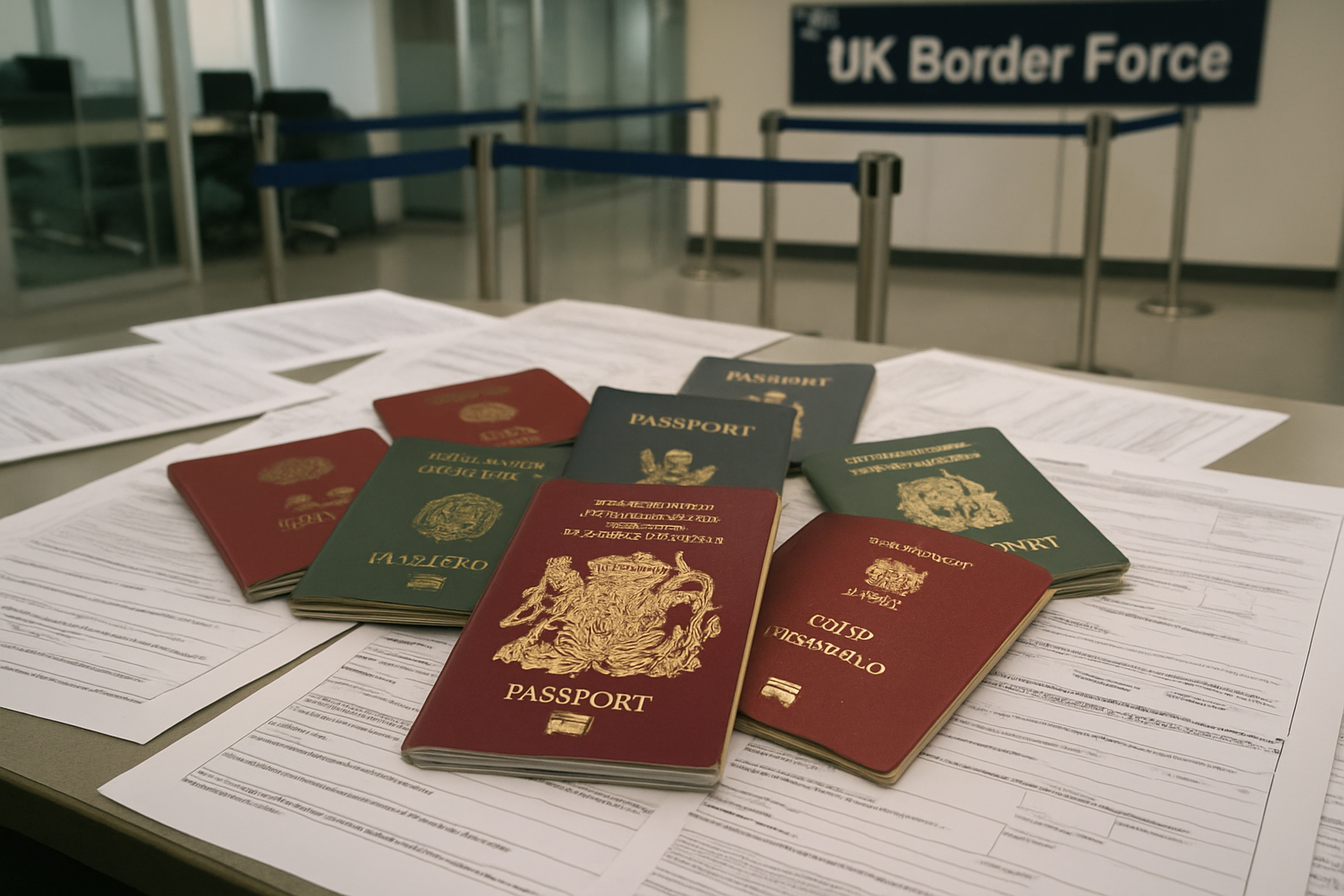
British dual nationals living abroad are expressing fury and distress over new UK border rules that come into force February 25, creating a scramble for passport renewals and threatening to deny boarding to travelers who fail to meet strict new requirements.
The new regulations, which caught many dual nationals by surprise, require British citizens holding multiple passports to present either a valid British passport or obtain a costly "certificate of entitlement" priced at £589 to visit the UK using their non-British travel documents. The changes are part of a broader overhaul of the UK's immigration system that includes the mandatory introduction of electronic visas (eVisas) for all foreign nationals.
Sweeping Digital Immigration Overhaul
Beginning February 25, 2026, all foreign nationals requiring a visa to enter the United Kingdom must apply exclusively for electronic visas, marking a fundamental shift toward complete digitization of the country's immigration system. The eVisa system will fully replace traditional visa vignettes affixed to passports, with travelers' immigration status stored and verified electronically.
According to official announcements, the measure applies to all visa-required visitors regardless of their purpose of travel. British authorities describe the transition as an effort to streamline application processes and modernize border control systems, eliminating the need for physical visa stickers or passport stamps.
Dual Nationals Express "Disgust and Fury"
The implementation has triggered an unprecedented backlash from British dual nationals worldwide, many of whom say they feel blindsided by the sudden policy change. Readers responding to coverage of the new rules described their reactions using words like "scandalous," "unacceptable," and expressing "disgust, fury and distress."
The policy has created particular hardship for dual nationals who regularly travel on their non-British passports due to visa-free arrangements with other countries. Many are now faced with the urgent need to renew expired British passports or pay the substantial £589 fee for a certificate of entitlement – costs that have come as an unwelcome surprise just days before the rules take effect.
Some dual nationals have indicated they are so frustrated with the new requirements that they are considering renouncing their British citizenship entirely rather than comply with what they view as unreasonable bureaucratic demands.
Passport Renewal Crisis
The timing of the policy implementation has created a perfect storm for British passport services, with dual nationals scrambling to renew expired documents before the February 25 deadline. Many report difficulties securing appointments or expedited processing through HM Passport Office, leading to concerns about being stranded abroad or unable to visit family in the UK.
The situation is particularly acute for British nationals who have lived abroad for extended periods and may have allowed their UK passports to lapse, relying instead on their other citizenship documents for international travel. The new rules effectively end this practice, forcing all British citizens to maintain current UK travel documents regardless of their other nationalities.
Part of Broader Immigration Crackdown
The dual national requirements come amid a wider tightening of UK immigration policy that has seen increased enforcement actions and stricter border controls. The changes reflect the government's broader agenda to assert greater control over who enters the country and under what circumstances.
Immigration experts note that while the digitization of visa processes may improve efficiency in the long term, the abrupt implementation timeline has created unnecessary hardship for legitimate travelers, particularly dual nationals who previously enjoyed relatively straightforward access to the UK.
International Implications
The policy changes are being closely watched by other countries considering similar digital immigration overhauls. The UK's experience with mandatory eVisas and stricter dual national requirements could serve as either a model for other nations or a cautionary tale about the importance of adequate preparation and consultation periods.
Critics argue that the policy undermines the value of British citizenship and creates barriers for the country's diaspora community, potentially damaging cultural and economic ties between the UK and countries with significant British dual national populations.
Government Defense
British authorities defend the changes as necessary modernization of an outdated system, emphasizing that digital processing will ultimately make immigration procedures faster and more secure. Officials argue that the requirements for British citizens to use British travel documents aligns with standard international practices.
However, the lack of extensive advance notice and the significant financial burden imposed by the certificate of entitlement fee have drawn sharp criticism from dual nationals who argue they are being penalized for circumstances often beyond their control.
Looking Ahead
As February 25 approaches, the full impact of these policy changes remains to be seen. Immigration lawyers predict a surge in legal challenges, particularly around the constitutionality of imposing additional fees on British citizens seeking to exercise their right to enter their own country.
The controversy highlights the complex challenges governments face in modernizing immigration systems while balancing security concerns, administrative efficiency, and the rights of citizens. For thousands of British dual nationals worldwide, the coming weeks will test both their patience and their commitment to maintaining ties with the UK.
The policy represents one of the most significant changes to UK immigration procedures in recent years, with implications that extend far beyond administrative convenience to questions of citizenship rights, international mobility, and the relationship between Britain and its global diaspora community.