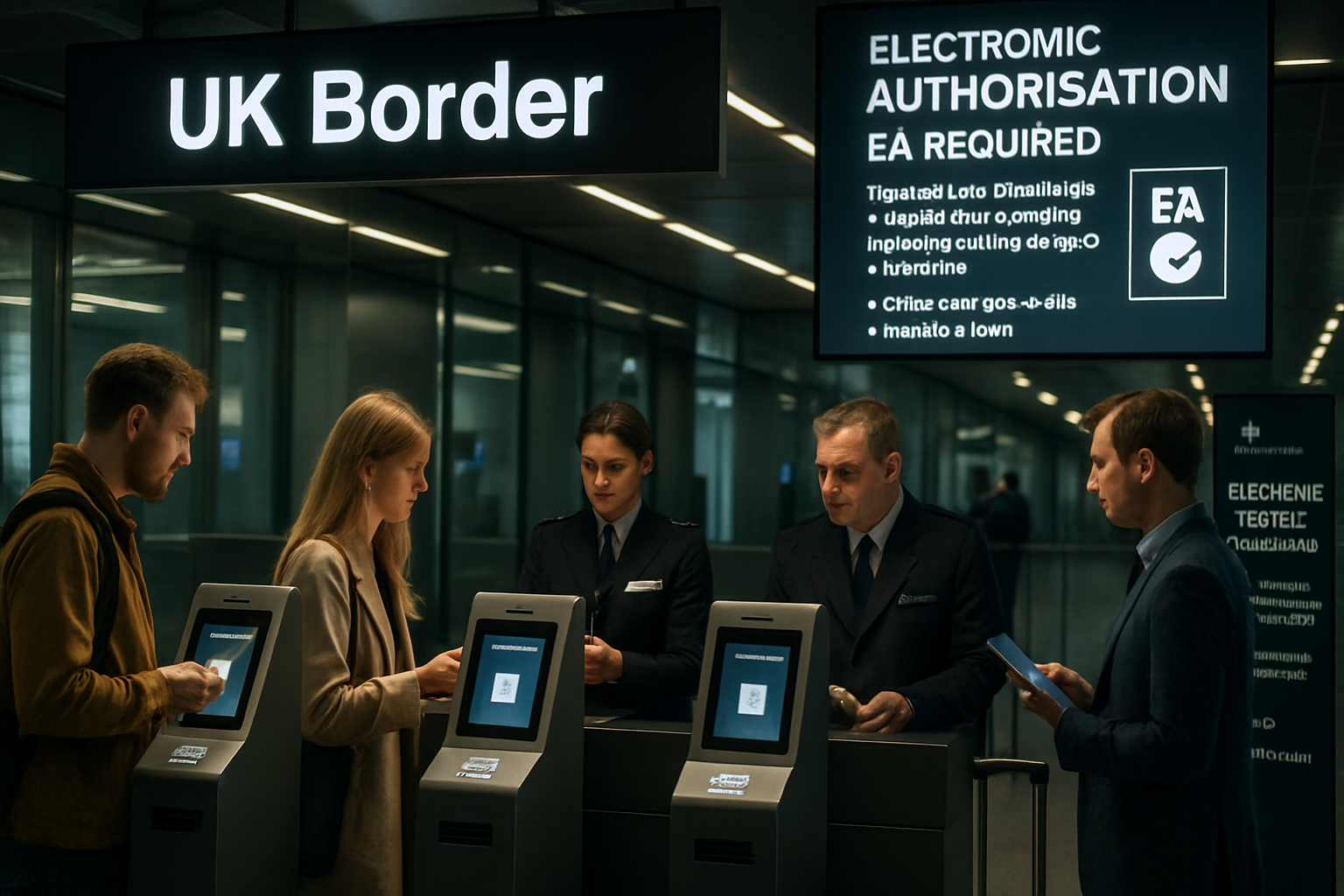
The United Kingdom has implemented its most significant travel restriction since Brexit, requiring all European visitors to obtain electronic travel authorization (ETA) starting February 25, 2026, fundamentally altering the landscape for millions of travelers from 85 countries.
The new Electronic Travel Authorization system, which costs £16 per application, represents a decisive break from the post-Brexit transition period that had maintained relatively free movement for European tourists. British immigration services began strictly enforcing the digital requirements on February 25, with non-British nationals facing entry refusal without proper ETA documentation or valid visas.
Implementation Details and Scope
According to multiple European news sources, the policy affects citizens from 85 countries, including major European Union member states. German nationals, who previously enjoyed unrestricted travel to the UK, must now pay for British entry authorization, marking the end of freedom of movement privileges that existed during EU membership.
The Belgian broadcaster VRT NWS reported that travelers without the required ETA or visa documentation "will not be allowed to enter the country," emphasizing the strict enforcement approach adopted by British authorities. This policy shift has caught many European travelers by surprise, leading to widespread scrambles for proper documentation.
"From 25 February, British immigration services will be tightening checks on the digital ETA travel document. Non-Brits who travel to the UK and cannot present this document or a visa will not be allowed to enter the country."
— VRT NWS Belgian Broadcasting
Broader Digital Transformation Context
The ETA requirement represents part of a comprehensive digitization of Britain's immigration system, including the complete transition to electronic visas (eVisas) for all foreign nationals. This technological transformation replaces traditional physical visa vignettes with digital-only processing, positioning the UK as implementing one of the world's most advanced border control systems.
The policy particularly affects British dual nationals, who face additional complications under the new system. According to previous reporting, British citizens holding multiple nationalities must present British passports or pay £589 for a "certificate of entitlement" to enter using non-British documents, creating unprecedented bureaucratic hurdles for the British diaspora.
Historical Context and Brexit Evolution
This implementation marks a crucial milestone in Britain's post-Brexit immigration strategy. The transition period following Britain's European Union departure in 2020 maintained many travel facilitations, but the February 2026 enforcement represents the full realization of Britain's independent immigration control ambitions.
Previous coverage documented the controversial nature of these policies, with critics describing them as "scandalous and unacceptable" for penalizing British dual nationals and creating barriers for legitimate European travelers. The British government has defended the measures as necessary modernization for "world-class" border security.
International Response and Diplomatic Implications
European media coverage across France, Germany, Italy, Spain, and Belgium indicates widespread concern about the policy's impact on traditional travel patterns. The requirement fundamentally alters decades of relatively free movement between Britain and continental Europe, potentially affecting tourism revenue and business relationships.
The enforcement timeline, beginning February 25, 2026, provides little flexibility for travelers who were unprepared for the new requirements. European government sources have expressed frustration with the implementation speed and limited advance notice for their citizens.
Economic and Tourism Impact
Tourism industry experts warn that the £16 ETA fee, while relatively modest, represents a psychological barrier that could deter spontaneous European travel to Britain. Combined with existing post-Brexit complications, the additional authorization step may influence European tourists to choose alternative destinations.
Business travel faces particular disruption, as the digital authorization process requires advance planning that conflicts with urgent business requirements. Short-notice meetings, conferences, and commercial activities now require digital documentation that may not be immediately available.
Technical Implementation Challenges
The digital-first approach requires reliable internet access and technological literacy from all travelers, potentially creating barriers for older visitors or those from regions with limited digital infrastructure. The system's reliance on smartphone applications and online processing may exclude certain demographic groups from spontaneous travel.
Border control technology must process increased documentation while maintaining efficient passenger flow through British airports and seaports. The transition from visual passport checks to digital verification systems requires substantial staff training and technology investment.
Regional Variations and Enforcement
Initial reports suggest enforcement varies across different entry points, with major airports implementing the strictest controls while smaller ports and ferry terminals develop consistent procedures. This uneven implementation creates uncertainty for travelers about specific requirements at different border crossings.
The digital nature of the ETA system allows for real-time updates to approval status, but also creates single points of failure where technical problems could disrupt legitimate travel. Backup procedures for system outages remain unclear in initial implementation phases.
Future Implications for European Travel
The UK's ETA system may establish a template for other nations considering similar digital border control measures. As countries increasingly prioritize security and administrative efficiency, electronic authorization requirements could become standard practice worldwide.
European Union officials are monitoring the British implementation closely, potentially developing reciprocal measures or counter-policies. The success or failure of Britain's digital border transformation will influence international travel policy development for years to come.
Compliance and Traveler Advisory
European travelers planning UK visits must now complete the ETA application process well in advance of travel dates. The electronic system requires personal information, travel details, and payment processing that can take several days for approval.
Travel industry professionals recommend that European tour operators, airlines, and travel agencies update their booking systems to include ETA requirements in standard travel documentation. Failure to inform travelers about these requirements could result in denied boarding or entry refusal.
The February 25, 2026 implementation date represents a watershed moment in post-Brexit Britain's relationship with European neighbors. While positioned as modernization and security enhancement, the practical impact creates new barriers between Britain and the European continent that could reshape travel patterns for decades.
As the system becomes operational, monitoring its effectiveness in achieving stated security objectives while maintaining legitimate travel facilitation will determine whether other nations adopt similar digital border control models or whether modifications prove necessary to balance security with accessibility.