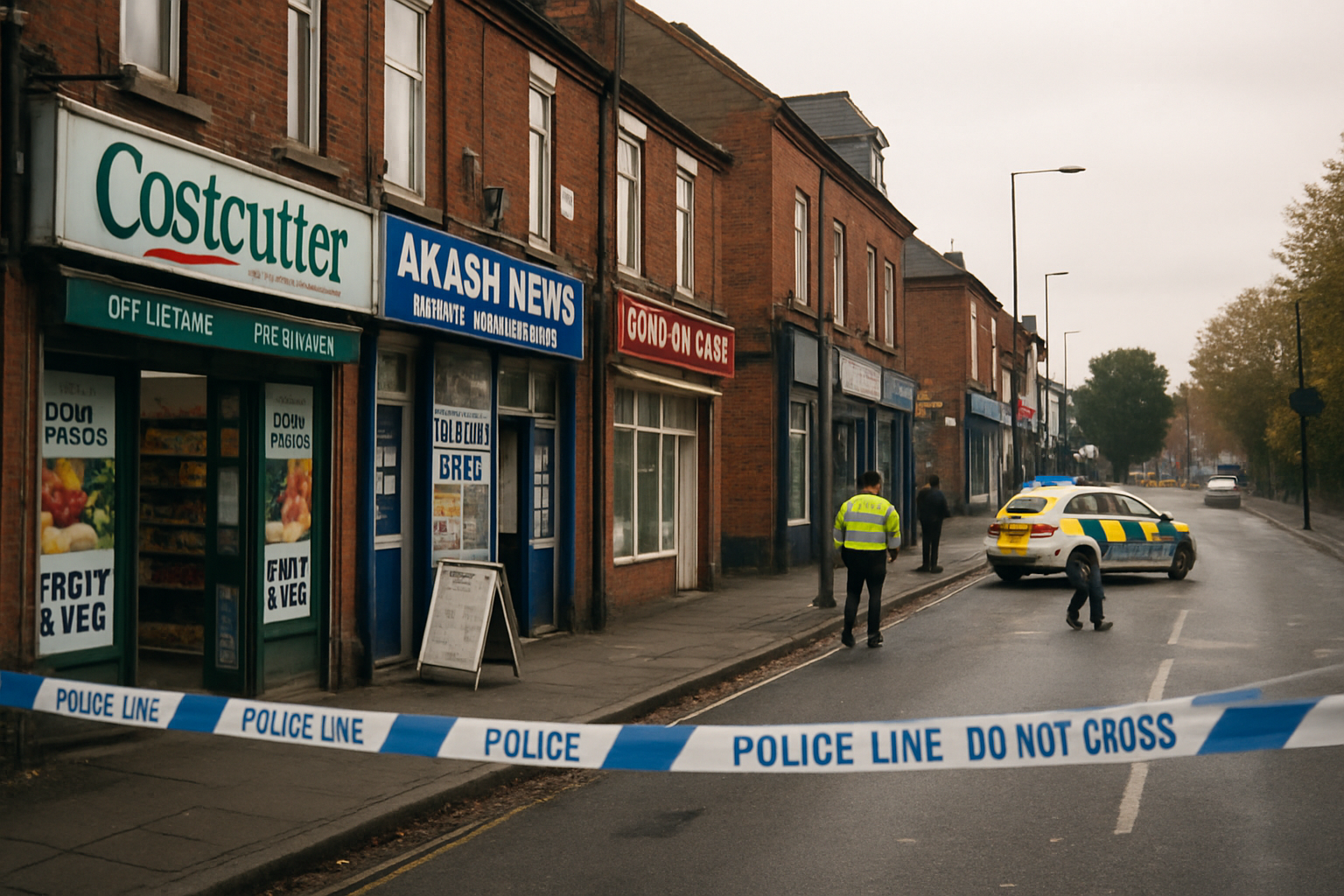
A damning BBC investigation has exposed widespread illegal drug sales at High Street mini-marts across the UK, with undercover filming revealing shopkeepers openly selling cocaine, cannabis and prescription drugs to customers in what experts describe as the exploitation of retail fronts by criminal gangs.
The investigation, which involved secret filming at multiple locations, documented mini-mart staff brazenly offering Class A and B drugs alongside everyday groceries. BBC UK editor Ed Thomas confronted one shopkeeper who was secretly filmed selling cannabis and cocaine to BBC researchers, highlighting the audacity of these operations.
Criminal Exploitation of Legitimate Retail
Experts warn that shopfronts across the UK are being systematically exploited by criminal gangs to push illegal drugs, transforming what should be neighborhood convenience stores into drug distribution centers. The practice represents a sophisticated evolution in drug trafficking, using the cover of legitimate businesses to avoid detection.
The investigation reveals how criminal organizations have adapted their operations to exploit the high foot traffic and normalized customer interactions of corner shops and mini-marts. These locations provide perfect cover for drug transactions, allowing dealers to operate in plain sight while maintaining the facade of legitimate retail activity.
Confronting the Evidence
In dramatic footage, BBC UK editor Ed Thomas directly confronted a shopkeeper who had been secretly filmed selling drugs. The confrontation, captured on camera, demonstrates the brazen nature of these operations and the confidence with which some retailers are conducting illegal drug sales.
"The footage we captured shows the shocking extent to which criminal gangs are exploiting our High Streets. These aren't isolated incidents - this is systematic exploitation of retail fronts for drug distribution."
— Ed Thomas, BBC UK Editor
The undercover operation documented transactions involving cocaine, cannabis, and prescription medications, with researchers able to purchase drugs as easily as buying milk or bread. The casual nature of these transactions suggests well-established operations with regular customer bases.
Broader Criminal Network Patterns
This investigation comes amid mounting evidence of sophisticated criminal network operations across the UK. Recent international drug trafficking operations have revealed criminal organizations with "state-like capabilities," utilizing advanced surveillance systems, encrypted communications, and compartmentalized international structures that often exceed law enforcement resources.
The exploitation of High Street mini-marts represents a strategic adaptation by criminal networks seeking to normalize their operations. By embedding drug sales within legitimate retail environments, these organizations reduce their exposure to traditional enforcement methods while maximizing accessibility to customers.
Historical Context and Enforcement Challenges
The BBC's findings align with broader patterns documented throughout 2026, where criminal organizations have demonstrated remarkable adaptability in exploiting legitimate business structures. Previous investigations have shown criminal networks using everything from legitimate shipping containers to tourism infrastructure for drug trafficking operations.
UK law enforcement faces significant challenges in addressing this type of criminal activity. Unlike traditional street-level drug dealing, these operations blur the lines between legitimate commerce and criminal enterprise, requiring specialized investigative techniques and resources.
Legal Implications
The retail drug sales documented by the BBC potentially involve multiple serious criminal offenses, including:
- Possession with intent to supply Class A drugs (cocaine)
- Possession with intent to supply Class B drugs (cannabis)
- Unlawful supply of prescription medications
- Money laundering through legitimate business accounts
- Operating a criminal enterprise under the guise of legitimate retail
Community Impact and Public Safety
The infiltration of drug dealing into everyday retail environments poses significant risks to community safety and public health. Families shopping for groceries are unwittingly exposed to criminal activity, while the normalization of drug sales in retail settings potentially increases accessibility for vulnerable populations, including young people.
Local communities rely on mini-marts and corner shops for essential services, particularly in areas with limited retail options. The corruption of these vital community resources by criminal gangs represents a fundamental violation of public trust and community safety.
Enforcement Response and Investigation
The BBC investigation is expected to prompt significant law enforcement action, with police likely to launch comprehensive investigations into the retailers identified in the undercover footage. The evidence gathered through secret filming provides compelling proof of criminal activity that would typically be difficult to document.
This type of evidence-gathering represents a crucial tool in combating criminal networks that have adapted to exploit legitimate business structures. The visual documentation of drug transactions removes the ambiguity that often complicates drug trafficking prosecutions.
Regulatory and Licensing Implications
Retailers found to be selling drugs face not only criminal prosecution but also the potential loss of business licenses and retail permits. Local authorities have the power to revoke licenses for businesses involved in criminal activity, effectively shutting down these operations.
The investigation may also prompt enhanced oversight of mini-mart and corner shop operations, with potential changes to licensing requirements and regular compliance checks to prevent future criminal exploitation.
International Context
The UK retail drug sales investigation occurs within a broader international context of sophisticated criminal network operations. Throughout 2026, law enforcement agencies worldwide have documented criminal organizations with unprecedented capabilities, often rivaling legitimate state institutions in their technological sophistication and operational reach.
Recent international operations have involved seizures worth hundreds of millions of dollars, with criminal networks demonstrating advanced surveillance systems, encrypted communications, and compartmentalized structures spanning multiple continents. The exploitation of UK retail venues represents another adaptation in this ongoing criminal evolution.
Prevention and Community Response
Experts emphasize that addressing retail drug sales requires comprehensive community engagement beyond traditional enforcement approaches. Successful prevention strategies must combine enhanced oversight with community awareness and education programs that help residents identify and report suspicious activities.
Most effective approaches integrate technological advancement with human expertise, combining proactive monitoring with responsive enforcement. Community-based crime prevention programs have shown particular success in creating resilient neighborhoods that resist criminal exploitation.
Looking Forward
The BBC investigation represents a critical moment in understanding how criminal networks adapt to exploit legitimate business structures. The evidence of widespread drug sales in retail settings demands immediate law enforcement response while highlighting the need for enhanced oversight and community protection measures.
As criminal organizations continue to evolve their methods, investigations like this BBC exposé become essential tools for documenting and disrupting their operations. The courage of journalists and researchers in conducting undercover investigations provides vital evidence that traditional enforcement methods might miss.
The revelation that everyday shopping locations have been corrupted by criminal gangs underscores the sophisticated nature of modern organized crime and the critical importance of maintaining vigilance in protecting community institutions from criminal exploitation.