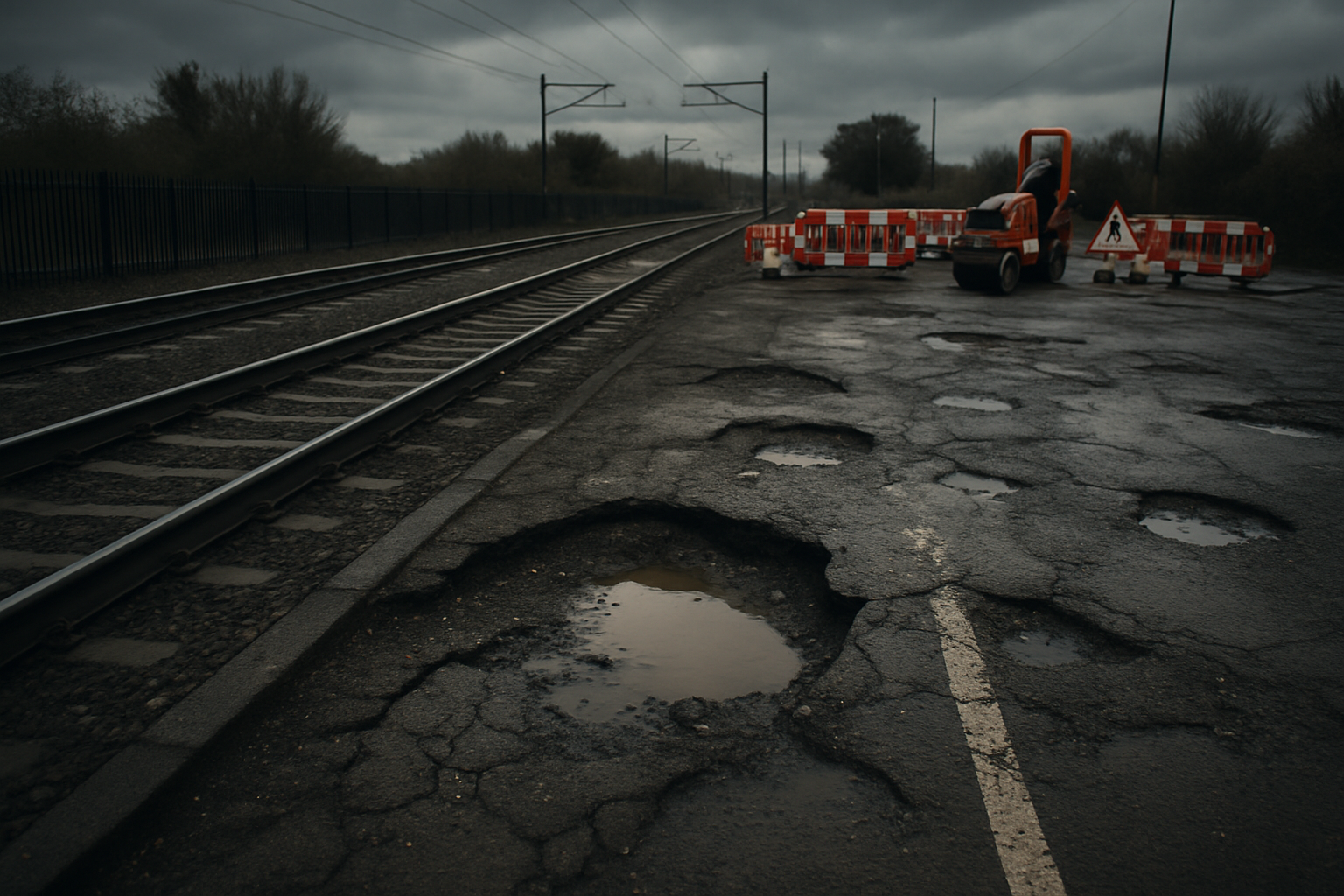
The United Kingdom faces a comprehensive transportation infrastructure crisis as authorities implement new train delay compensation measures while England and Wales grapple with a record-breaking £18.6 billion pothole repair backlog that has left only half the road network in good condition.
The dual crisis highlights the mounting pressures on Britain's aging transportation systems, with rail passengers gaining easier access to compensation for delays while motorists navigate increasingly dangerous road conditions described by industry experts as a "national disgrace."
Railway Reform Amid Ongoing Service Issues
New regulations have streamlined the process for passengers seeking compensation for train delays, with authorities also announcing additional checks on railcards during a trial period designed to crack down on fraud. The reforms come as Britain's rail network continues to face significant operational challenges, including infrastructure vulnerabilities exposed by extreme weather conditions throughout 2026.
The compensation rule changes represent the government's attempt to address persistent service disruptions that have plagued the network. However, the improvements occur against the backdrop of broader European transportation challenges, with the UK experiencing similar infrastructure stresses to those documented across the continent.
Road Infrastructure Reaches Breaking Point
England and Wales are confronting an unprecedented road maintenance crisis, with the repair backlog reaching a record £18.6 billion despite councils filling approximately 1.9 million potholes in the previous year alone. According to industry estimates, this represents the highest infrastructure deficit on record.
The scale of the problem has been exacerbated by what experts describe as a "notably wet winter," with harsh weather conditions accelerating road surface deterioration across the region. Current assessments indicate that only half of the local road network remains in good condition, marking a significant decline in infrastructure quality.
The current state of our roads has become a national disgrace, with dangerously pockmarked surfaces affecting communities across England and Wales.
— Industry spokesperson
The deteriorating conditions pose serious safety risks for motorists, cyclists, and pedestrians, while creating substantial economic costs through vehicle damage, increased maintenance expenses, and reduced transportation efficiency. The crisis affects not only major thoroughfares but also vital local routes that connect rural communities to essential services.
Historical Context of Transportation Challenges
The current crisis builds upon months of transportation difficulties documented across Europe throughout 2026. Historical records show similar infrastructure pressures affecting multiple nations, with extreme weather events testing transportation networks beyond their original design parameters.
Previous incidents have demonstrated the vulnerability of interconnected transportation systems, where failures in one area can cascade across entire regions. The UK's situation reflects broader patterns seen internationally, where aging infrastructure struggles to cope with contemporary demands and increasingly volatile weather conditions.
Economic and Social Impact
The transportation crisis carries significant economic implications extending far beyond immediate repair costs. Poor road conditions force increased vehicle maintenance expenses onto drivers, while unreliable rail services affect business productivity and regional economic competitiveness.
Rural communities face particular challenges as deteriorating local roads threaten their connection to essential services, employment opportunities, and markets. The cumulative effect creates barriers to economic development and social mobility in affected areas.
Tourism and freight transport also suffer substantial impacts, with damaged roads increasing logistics costs and potentially deterring visitors from affected regions. The multiplier effects ripple through local economies, affecting businesses dependent on reliable transportation networks.
Government Response and Future Planning
Authorities acknowledge the severity of the infrastructure challenges while implementing incremental improvements where possible. The train delay compensation reforms represent one effort to address passenger concerns, though they do not resolve underlying service reliability issues.
For road infrastructure, the scale of the repair backlog suggests that traditional maintenance approaches may be insufficient to address the accumulated deficit. Industry experts emphasize the need for comprehensive investment strategies that go beyond piecemeal repairs to address systemic infrastructure weaknesses.
The government faces difficult decisions about prioritizing limited resources between competing transportation needs, while also considering long-term climate adaptation requirements that could prevent similar crises in the future.
International Lessons and Best Practices
The UK's transportation challenges occur within a global context of infrastructure modernization efforts. International examples demonstrate both successful approaches and cautionary tales for addressing similar crises.
Countries investing in comprehensive transportation infrastructure renewal have shown that coordinated, long-term planning can yield significant improvements in network reliability and safety. However, such approaches require sustained political commitment and substantial financial resources over extended periods.
Climate adaptation measures incorporated into infrastructure planning have proven essential for maintaining network resilience. The UK's experience with weather-related deterioration underscores the importance of designing transportation systems for future climate conditions rather than historical patterns.
Technology and Innovation Opportunities
Emerging technologies offer potential solutions for both monitoring infrastructure conditions and improving maintenance efficiency. Advanced sensing systems can provide real-time data on road surface quality, while predictive maintenance approaches could help prioritize repair efforts more effectively.
Digital payment and compensation systems for rail passengers demonstrate how technology can improve user experiences even when underlying infrastructure challenges persist. Similar innovations could be applied to road user services and maintenance coordination.
Smart transportation management systems, including traffic flow optimization and alternative route guidance, could help mitigate the impact of infrastructure limitations while longer-term repairs proceed.
Looking Forward: Sustainable Transportation Strategy
The current crisis highlights the urgent need for a comprehensive, forward-looking transportation strategy that addresses both immediate safety concerns and long-term sustainability requirements. This includes not only physical infrastructure improvements but also regulatory frameworks, funding mechanisms, and maintenance protocols.
Climate resilience must be integrated into all future transportation planning, given the documented relationship between extreme weather events and infrastructure deterioration. This requires moving beyond traditional approaches to embrace adaptive design principles.
International cooperation and knowledge sharing could accelerate the development of effective solutions, particularly as similar challenges affect multiple countries simultaneously. The UK's experience could contribute valuable lessons to global transportation safety and infrastructure resilience efforts.
Success will ultimately depend on sustained commitment to comprehensive infrastructure modernization, adequate funding allocation, and coordinated action across multiple government levels and transportation modes. The current crisis represents both a significant challenge and an opportunity to build more resilient, efficient transportation networks for the future.