Ukraine has secured historic international financial support totaling over $8.1 billion while enduring devastating Russian attacks on critical infrastructure, creating a complex dynamic of diplomatic progress amid military escalation as the conflict approaches its fourth anniversary.
The International Monetary Fund's Executive Board approved a comprehensive four-year Extended Fund Facility program worth $8.1 billion for Ukraine, representing the largest financial assistance package since the conflict began. This unprecedented aid comes as Poland has delivered 48 military aid packages worth more than €3.5 billion, demonstrating sustained international commitment to Ukrainian defense capabilities.
Massive Russian Infrastructure Strikes Continue
Despite diplomatic momentum, Russian forces launched devastating attacks targeting energy infrastructure across multiple Ukrainian regions. Ukrainian drone strikes on the Russian city of Belgorod, located approximately 40 kilometers from the border, caused significant damage to power supply, water distribution, and heating systems according to regional governor Vyacheslav Gladkov.
The strikes on Belgorod represent the second such attack within five days, indicating an escalation in cross-border operations. Russian sources report concentrated damage to energy system facilities, leaving numerous households without essential services in sub-zero temperatures.
Diplomatic Breakthroughs Amid Military Operations
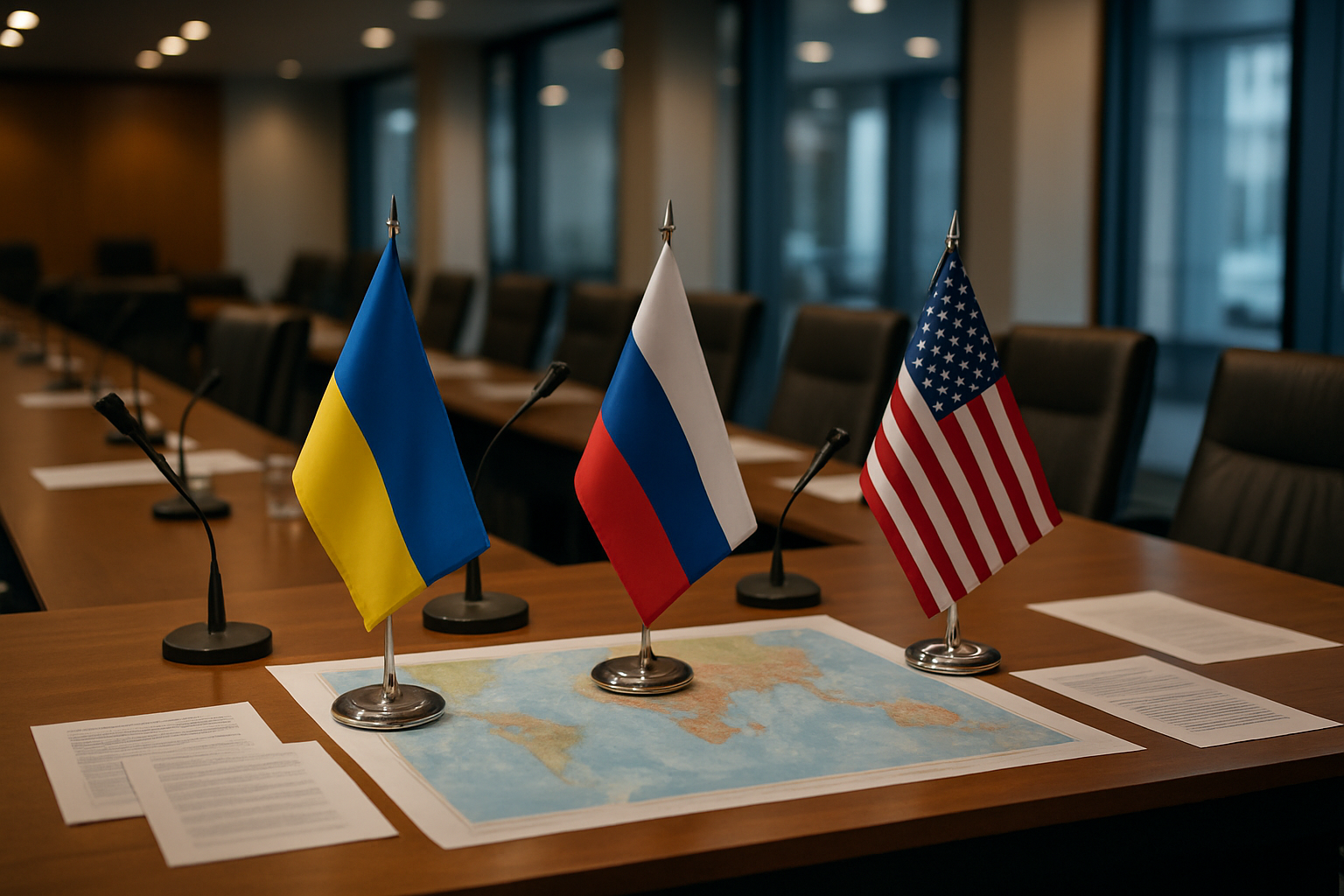
Ukrainian President Volodymyr Zelensky announced significant progress in discussions held in Geneva between Ukrainian representatives and American negotiators, building momentum toward a trilateral meeting including Russia and the United States planned for early March in Abu Dhabi.
These diplomatic developments follow previous breakthrough negotiations that achieved a historic prisoner exchange of 314 individuals and restored US-Russia military communications after a four-year suspension. The restored communications include Pentagon deconfliction protocols covering global operations in Syria, the Arctic, and Africa - representing the most significant US-Russia military agreement since the conflict began.
"The discussions today allowed us to make progress toward organizing this crucial trilateral meeting that could determine the trajectory of peace efforts."
— Ukrainian Presidential Office Statement
Nuclear Crisis Adds Urgency to Peace Process
The diplomatic efforts unfold against the backdrop of an unprecedented nuclear governance crisis. The New START treaty between the United States and Russia expired on February 5, 2026, marking the first time in over 50 years without bilateral nuclear constraints between the superpowers who control 80% of the world's nuclear weapons.
UN Secretary-General António Guterres has described this development as a "grave turning point," warning that nuclear risks are now at their highest levels in decades. This nuclear governance vacuum adds extraordinary urgency to the peace process, as the restored military communications represent the only remaining formal diplomatic channel between the nuclear superpowers.
Territorial Disputes Remain Central Challenge
The fundamental sticking point in all negotiations remains the status of eastern Ukrainian territories currently under Russian control. Russia continues to demand territorial recognition and insists that any Putin-Zelensky talks must occur in Moscow, while Ukraine maintains its position on territorial integrity and seeks long-term security guarantees.
Military analysts report that Russian territorial gains have accelerated dramatically, with forces capturing 481 square kilometers in January 2026 compared to 260 square kilometers in December 2025 - representing an 85% increase and the fastest territorial expansion in months.
International Support Reaches Historic Levels
The international response to Ukraine's needs has reached unprecedented levels. The European Union approved a historic €90 billion loan package - the largest single-nation assistance program in EU history - though Slovakia, Czech Republic, and Hungary refused participation, exposing divisions within the bloc.
Additional support includes Sweden and Denmark's €246 million air defense package featuring advanced Tridon systems, and Germany's commitment of 35 Patriot missiles. Over 17.8 million Ukrainians are currently accessing winter support programs as the country faces systematic attacks on civilian infrastructure.
Energy Warfare and Civilian Impact
Russian attacks have systematically targeted civilian energy infrastructure during extreme winter conditions, leaving more than 1,170 buildings in Kyiv without heating during temperatures as low as minus-30°C. Ukrainian nuclear plants have been forced to halt electricity production for the first time since the conflict began, raising concerns about European nuclear security.
This "energy terrorism" strategy has been condemned by international observers as violations of the Geneva Conventions regarding civilian protections. Emergency warming centers have been activated nationwide, while international donors coordinate massive energy restoration efforts.
Casualty Disclosures Highlight Human Cost
President Zelensky has disclosed that 55,000 Ukrainian soldiers have been officially confirmed killed since the conflict began, with a "large number" still classified as missing in action. International research estimates suggest the actual military death toll could be 2-3 times higher when including missing personnel and undocumented casualties.
Recent tragic incidents include a drone strike in Bohodukhiv that killed four civilians, including three young children (two one-year-olds and one two-year-old) along with their father. This attack marked the second deadly strike on the same town within three days, demonstrating the systematic nature of civilian targeting.
June 2026 Peace Deadline Established
The Trump administration has established a June 2026 deadline for a comprehensive peace agreement, with negotiations potentially moving to Washington for presidential-level engagement. This evolution from Abu Dhabi to Geneva to Washington suggests a deliberate diplomatic escalation designed to create unprecedented pressure for innovative territorial dispute resolution.
Ukrainian officials acknowledge that this represents the most significant diplomatic opportunity since the conflict began, though fundamental positions between the parties remain far apart. The success or failure of these negotiations could determine whether Europe's deadliest war since World War II can be resolved through diplomacy or will continue through military means.
European Security Architecture at Stake
The outcome of these diplomatic efforts has implications far beyond Ukraine's borders. Success could provide a template for 21st-century conflict resolution and strengthen international law enforcement mechanisms. Failure might intensify military operations globally and undermine diplomatic credibility for resolving territorial disputes worldwide.
European leaders at the Munich Security Conference have described the current moment as the most sobering assessment in the conference's 62-year history, with German Chancellor Friedrich Merz declaring that "the post-war order no longer exists."
Looking Ahead: Critical Decisions Approaching
As Ukraine enters the fifth year of this conflict, the convergence of unprecedented international support, continued military escalation, diplomatic breakthroughs, and nuclear governance challenges creates a unique moment in modern international relations. The coming months will test whether sustained diplomatic engagement can produce territorial compromise solutions or whether the conflict will intensify further.
The humanitarian paradox continues: concrete diplomatic results like prisoner exchanges and communications restoration are being achieved amid ongoing civilian targeting, raising questions about genuine peace commitment versus pressure tactics. The framework success achieved through structured negotiations demonstrates that adversaries can find common ground on humanitarian issues, but extending this to territorial arrangements represents the ultimate challenge.
With over $100 billion in international support now pledged and the June 2026 Washington deadline approaching, the stakes have never been higher for diplomatic innovation in territorial dispute resolution. The world watches as Ukraine navigates between military resistance and diplomatic opportunity, with implications that will shape international security architecture for decades to come.