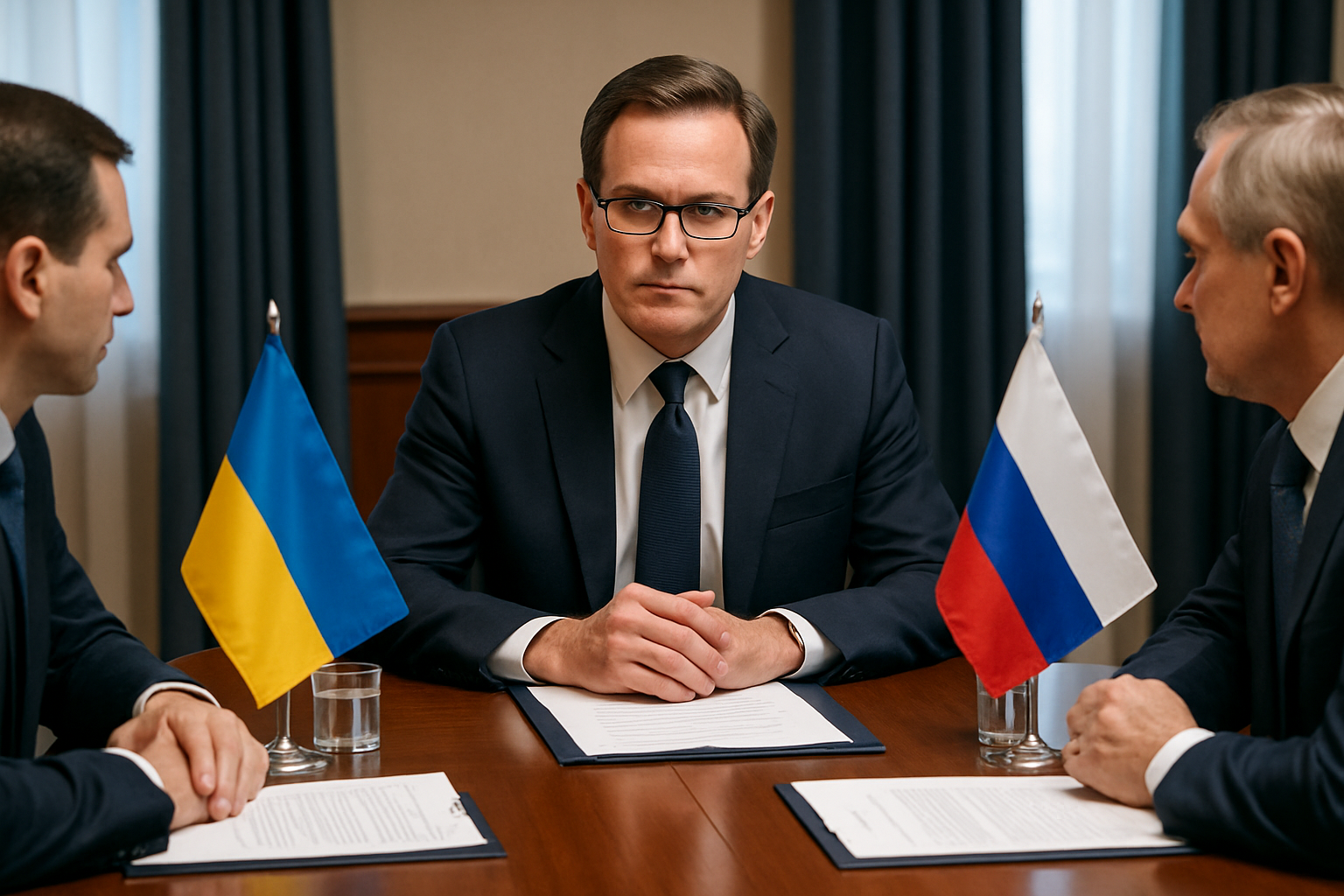
Ukrainian President Volodymyr Zelensky announced that Kyiv has proposed a mutual cessation of attacks on energy infrastructure to Moscow through American intermediaries, stating "If Russia is prepared to stop strikes on our energy sector, we are ready to respond in the same manner," as devastating attacks continue to claim civilian lives across the conflict zone.
The energy ceasefire proposal comes as Russian forces launched deadly strikes on Ukrainian cities, killing at least three civilians in Odesa, including a 30-year-old woman and her 2-year-old daughter, while a Chernihiv energy facility was damaged, leaving more than 10,000 residents without power. The proposal represents a significant diplomatic initiative amid the ongoing suspension of broader peace negotiations due to the Iran crisis.
Peace Talks Remain Suspended
The energy truce offer occurs against the backdrop of indefinitely postponed trilateral Ukraine-Russia-U.S. negotiations, which have been stalled since March 2026 due to American foreign policy attention being consumed by the Middle East crisis. The suspension has derailed the momentum from historic February 2026 breakthroughs, including a 314-prisoner exchange—the largest in five months—and the restoration of U.S.-Russia military communications after a four-year suspension.
The Geneva talks held in February had achieved "significant progress" on ceasefire monitoring mechanisms according to U.S. Special Envoy Steve Witkoff, with European "Big 5" observers participating for the first time. However, the framework remains preserved for potential reactivation when conditions permit renewed high-level engagement.
Systematic Energy Warfare
The proposed energy truce addresses what Ukrainian officials term "energy terrorism"—systematic attacks on civilian infrastructure that have left over 1,170 Kyiv buildings without adequate heating following previous strikes. Ukrainian nuclear plants were forced to halt electricity production for the first time in the conflict, creating unprecedented security risks.
"The pattern includes targeting 15 DTEK energy workers killed while restoring power—documented violations of Geneva Conventions civilian protections."
— Ukrainian Energy Ministry Official
The targeting of energy infrastructure during extreme winter conditions has affected over 17.8 million Ukrainians accessing winter support programs. International observers have documented these attacks as systematic violations of international humanitarian law, representing calculated humanitarian pressure during diplomatic engagements.
Military Escalation Continues
Despite diplomatic overtures, the military situation has seen significant escalation. Russian forces have deployed over 101,000 troops dedicated to drone operations as of April 2026, representing the largest unmanned force in modern warfare. Russian territorial gains accelerated to 481 square kilometers in January compared to 260 square kilometers in December 2025—an 85% increase marking the fastest expansion in months.
Ukrainian casualties continue to mount, with President Zelensky having disclosed that 55,000 Ukrainian soldiers have been officially killed, with a "large number" missing. International estimates suggest actual casualties may be 2-3 times higher than official figures.
Nuclear Governance Crisis
The energy ceasefire proposal takes place within the context of an unprecedented nuclear governance crisis following the expiration of the New START treaty on February 5, 2026—the first time in over 50 years without U.S.-Russia nuclear constraints. Both nations control 80% of global nuclear weapons, with UN Secretary-General António Guterres describing the situation as a "grave turning point" with nuclear risks at their "highest in decades."
The Pentagon-Moscow deconfliction protocols established during the February diplomatic breakthrough remain the only formal superpower communication channel, covering operations in Syria, the Arctic, and Africa.
International Support and Divisions
International backing for Ukraine remains unprecedented despite emerging divisions. The European Union approved a historic €90 billion loan package—the largest single-nation assistance ever—though Slovakia, Czech Republic, and Hungary refused participation, revealing persistent European divisions.
Ukraine has also undergone a strategic transformation from aid recipient to security provider, deploying military experts to the UAE, Qatar, Jordan, Bahrain, and Kuwait to combat Iranian Shahed drones—the same weapons systems attacking Ukrainian infrastructure. This evolution demonstrates Ukraine's growing role in regional security partnerships.
Stakes and Strategic Implications
The energy ceasefire proposal represents a test of civilian protection possibilities within modern warfare contexts. Success in implementing such an agreement could provide a foundation for broader diplomatic progress when conditions permit the resumption of comprehensive peace talks.
The suspension of the most significant diplomatic opportunity since the invasion began carries global implications for 21st-century territorial dispute resolution. Success in eventual resumed talks could end Europe's deadliest war since World War II and provide a template for international conflict resolution. Failure would allow continued escalation with implications for territorial sovereignty principles and international law enforcement for decades to come.
Framework Preservation
Despite the suspension of broader talks, diplomatic achievements from February remain intact. The prisoner exchange mechanisms, structured negotiation format developed through UAE methodology, and the restoration of U.S.-Russia communications can be reactivated when the Iranian crisis permits American foreign policy refocus on European priorities.
The Trump administration's June 2026 Washington venue deadline for comprehensive peace talks remains uncertain due to competing Middle East priorities, but the framework for potential presidential-level engagement has been preserved.
Looking Ahead
The timeline for renewed comprehensive negotiations depends on the resolution of the Iranian situation and broader Middle East stability. Military escalation continues with systematic civilian targeting while Ukraine maintains operational capabilities and expands international partnerships.
The energy truce proposal offers a potential pathway for reducing civilian suffering while larger diplomatic frameworks await favorable conditions for reactivation. Whether such humanitarian agreements can provide building blocks for broader peace remains to be seen, but the initiative demonstrates continued Ukrainian commitment to protecting civilian infrastructure amid ongoing conflict.
As the conflict approaches its fourth anniversary, the energy ceasefire proposal represents both the limits of current diplomatic possibilities and the potential for innovative approaches to reducing civilian harm in modern warfare. The success or failure of such initiatives may ultimately determine whether diplomatic innovation can overcome military escalation in determining European security architecture for the coming decades.