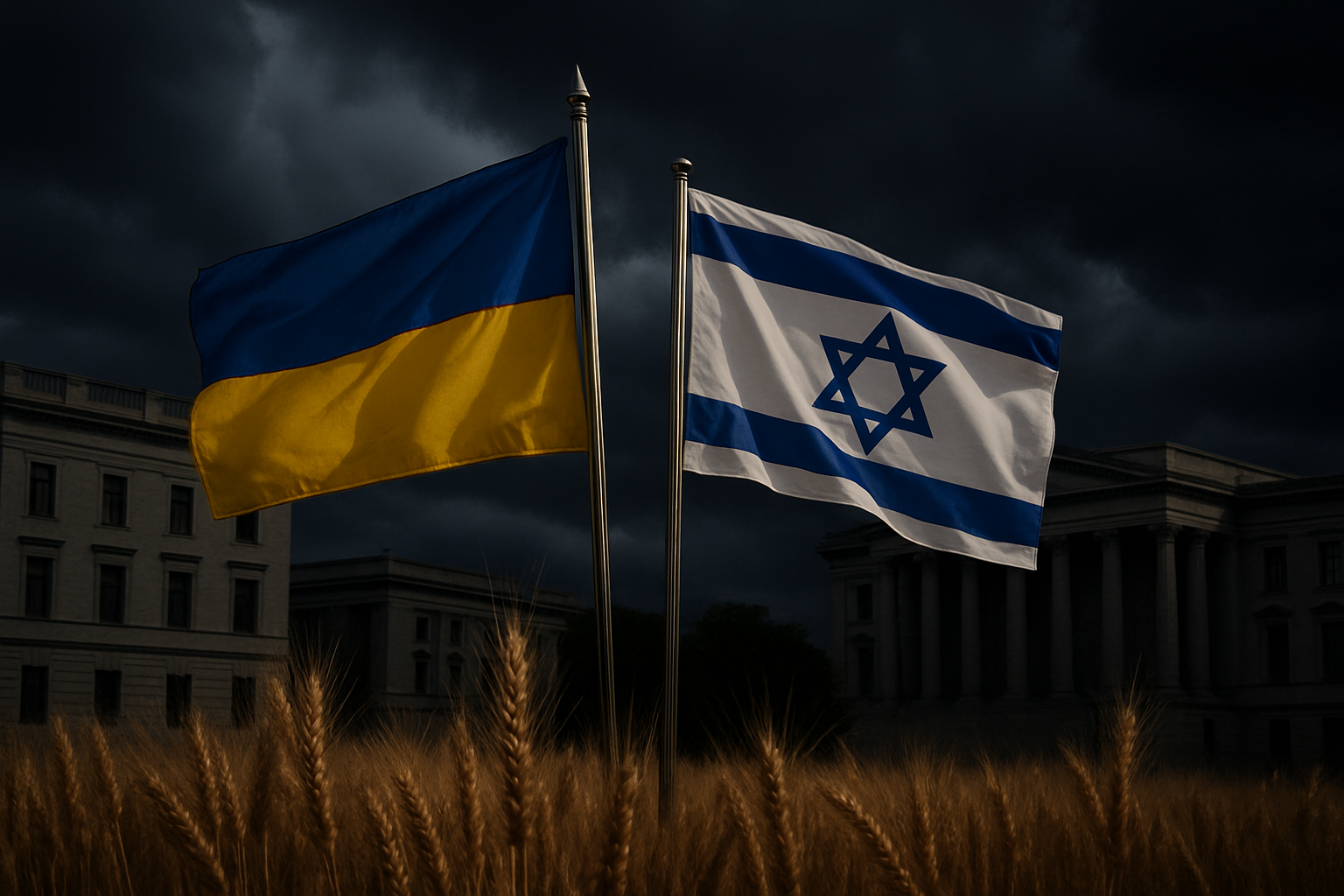
A diplomatic crisis has erupted between Ukraine and Israel over allegations that Tel Aviv has received shipments of grain stolen from Ukrainian territories occupied by Russia, with Ukraine's Foreign Ministry summoning the Israeli ambassador for urgent consultations.
Ukrainian Foreign Minister Andrii Sybiha confirmed that Israeli Ambassador to Ukraine had been called to the Foreign Ministry following reports that Israel had received a second shipment of Ukrainian grain allegedly stolen by Russia from occupied territories. The incident represents a significant deterioration in Ukraine-Israel relations at a time when both nations are grappling with separate but interconnected conflicts.
Escalating Diplomatic Tensions
According to reports from Azerbaijani media, relations between the two countries have "plummeted to a fresh low this week following a public and acerbic exchange between their foreign ministers over a ship allegedly carrying 'stolen' Ukrainian grain." The dispute centers on accusations that Russia has been systematically looting Ukrainian agricultural products from territories under its occupation and selling them on international markets.
The timing of this diplomatic row is particularly sensitive, occurring against the backdrop of Ukraine's ongoing conflict with Russia and the broader Middle East crisis that has consumed significant international attention and resources. The grain dispute adds another layer of complexity to an already strained global diplomatic environment.
Historical Context of the Dispute
Based on extensive analysis of recent developments, this is not an isolated incident but part of a broader pattern of alleged Russian agricultural theft from Ukrainian territories. The issue has gained particular prominence as Ukraine, traditionally one of the world's largest grain exporters, has seen its agricultural sector severely disrupted by the ongoing conflict.
"This situation highlights the complex interconnections between regional conflicts and global food security."
— Regional Security Analyst
The allegations come at a time when Ukraine has been working to maintain its agricultural exports through various humanitarian corridors and international agreements, making any diversion of its grain particularly sensitive from both economic and sovereignty perspectives.
Broader Geopolitical Implications
The Ukraine-Israel grain dispute occurs within a broader context of shifting international relationships and competing priorities. Ukraine has been expanding its security partnerships globally, including deployments of over 200 military specialists to Middle Eastern countries including the UAE, Qatar, Jordan, Bahrain, and Kuwait to combat Iranian Shahed drones – the same weapons systems being used against Ukrainian infrastructure.
This security cooperation represents Ukraine's evolution from an aid recipient to a security provider, leveraging its battlefield experience in drone warfare and air defense. The grain dispute with Israel threatens to complicate these expanding Middle Eastern relationships at a crucial time for Ukrainian diplomacy.
Impact on Peace Negotiations
The diplomatic crisis emerges as Ukraine's broader peace negotiations remain suspended. Trilateral talks between Ukraine, Russia, and the United States have been indefinitely postponed due to the Iran crisis consuming American foreign policy attention, despite significant breakthroughs achieved in February 2026, including the largest prisoner exchange in five months involving 314 individuals and the restoration of US-Russia military communications after a four-year suspension.
The grain dispute adds another complicating factor to an already complex international diplomatic landscape, where multiple regional conflicts are competing for attention and resources. The situation demonstrates how bilateral disputes can emerge and escalate even as larger strategic negotiations remain stalled.
Agricultural Sovereignty and War Crimes
The allegations of stolen grain touch on broader issues of agricultural sovereignty and potential war crimes. International law experts have noted that the systematic looting of agricultural products from occupied territories could constitute violations of international humanitarian law, particularly given the role of food security in civilian welfare.
Ukraine has consistently maintained that Russia's actions in occupied territories, including the alleged theft of agricultural products, represent systematic violations of international law. The country has been working to document and present evidence of such activities to international bodies and partner nations.
Regional Security Dynamics
The dispute occurs against a backdrop of significant regional security challenges. Ukraine continues to face systematic attacks on its civilian infrastructure, with recent reports indicating over 700 drone attacks in 24-hour periods and continued targeting of energy facilities. The country has documented the deaths of 55,000 soldiers officially, with estimates suggesting actual casualties may be two to three times higher.
Meanwhile, Israel remains engaged in its own regional conflicts, creating a complex environment where traditional diplomatic partnerships are being tested by competing national interests and security priorities.
International Response and Mediation
The international community faces the challenge of managing multiple simultaneous crises while maintaining diplomatic relationships across various regional conflicts. The grain dispute highlights the interconnected nature of modern conflicts, where actions in one theater can have immediate implications for relationships and security arrangements in others.
European Union support for Ukraine remains substantial, with a historic €90 billion loan package representing the largest single-nation assistance ever provided, though some member states including Slovakia, Czech Republic, and Hungary have refused participation, showing internal divisions within the bloc.
Economic and Food Security Implications
Beyond the diplomatic dimensions, the grain dispute raises important questions about global food security and agricultural trade during conflicts. Ukraine's agricultural sector has been severely impacted by the ongoing war, with systematic targeting of farming infrastructure, storage facilities, and transportation networks.
The allegations of stolen grain being sold on international markets could have broader implications for global commodity markets and food security, particularly affecting nations dependent on Ukrainian agricultural exports. The dispute also highlights the challenges of maintaining transparent and ethical supply chains during active conflicts.
Looking Forward
The resolution of the Ukraine-Israel grain dispute will require careful diplomatic navigation at a time when both countries face significant security challenges. For Ukraine, maintaining international support and partnership relationships remains crucial as it continues to defend its territorial integrity while expanding its role as a global security provider.
For Israel, the situation presents challenges in balancing various regional relationships and security considerations while addressing Ukrainian concerns about alleged complicity in agricultural theft from occupied territories.
The broader implications extend beyond bilateral relations to questions of international law enforcement, territorial sovereignty, and the interconnected nature of modern conflicts. The resolution of this dispute could set important precedents for how similar issues are addressed in other conflict zones where agricultural theft and economic warfare are employed as tactics.
As both nations navigate their respective security challenges, the international community will be watching closely to see how this diplomatic crisis is resolved and what it means for broader patterns of international cooperation and conflict management in an increasingly complex global security environment.