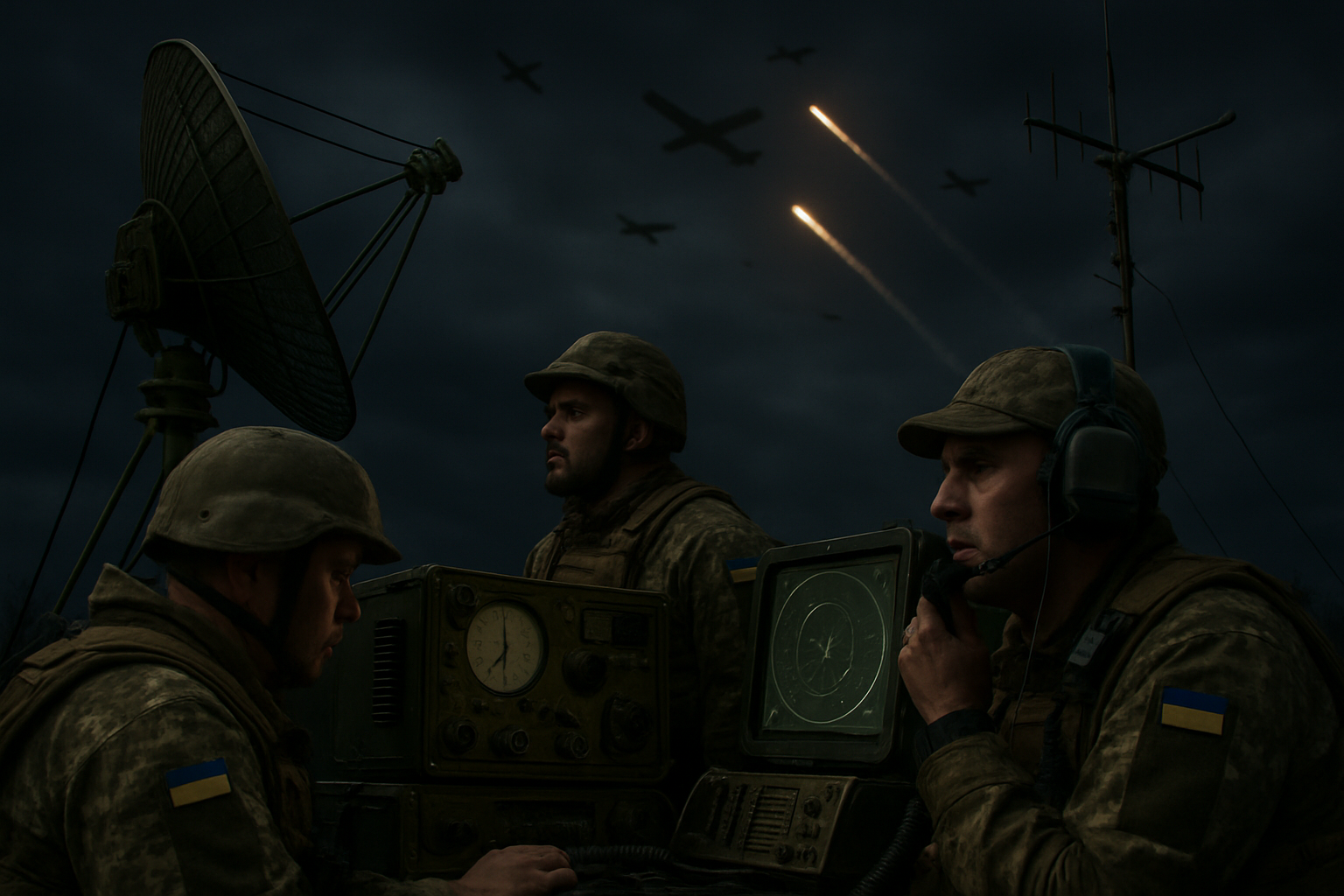
Ukrainian special forces have successfully neutralized Russia's final railway ferry operating in the Kerch Strait while targeting strategic Russian military installations, as peace negotiations remain indefinitely suspended due to the escalating Iran crisis consuming American diplomatic attention.
Strategic Operations Intensify
The Defense Intelligence of Ukraine (DIU) confirmed the destruction of Russia's last operational railway ferry in the Kerch Strait, dealing a significant blow to Russian logistics and supply chains between occupied Crimea and mainland Russia. This operation represents the culmination of a systematic campaign targeting critical Russian military infrastructure.
Simultaneously, Ukrainian forces have expanded their operational reach with strikes against multiple Russian targets across occupied territories. Military sources confirm successful operations in Donetsk and Zaporizhzhia regions, targeting air defense systems, command posts, and landing craft, demonstrating Ukraine's sustained long-range capabilities despite defensive pressures on multiple fronts.
"The occupiers have been observed transporting military equipment and personnel through Mariupol toward Huliaipole."
— Petro Andriushchenko, Advisor to Mariupol Mayor
Civilian Casualties Mount
Russian forces continue their systematic targeting of civilian infrastructure, with recent attacks claiming multiple lives across Ukrainian regions. A drone strike on a market in Nikopol, Dnipropetrovsk region, killed five civilians including three women and two men, with 19 wounded including a 14-year-old girl in critical condition.
In Zaporizhzhia, Russian raids have resulted in at least one fatality, while attacks in the Chernihiv region targeted 19 settlements over a 24-hour period, resulting in 30 separate attacks and 57 explosions. The systematic nature of these strikes continues to violate international humanitarian law and Geneva Conventions protections for civilians.
Port Infrastructure Under Attack
Russian drone attacks have also targeted critical port facilities in Izmail, damaging essential infrastructure used for grain exports and civilian commerce. These strikes on port facilities represent an escalation in attacks on economic targets that impact not only Ukraine but global food security.
Diplomatic Stalemate
The suspension of trilateral peace negotiations between Ukraine, Russia, and the United States represents a significant setback to diplomatic efforts that had shown promising momentum in early 2026. The talks, which achieved historic breakthroughs including a 314-prisoner exchange and restoration of U.S.-Russia military communications after a four-year suspension, remain indefinitely postponed due to the Iran crisis.
President Volodymyr Zelensky has indicated Ukraine's readiness to reciprocate with a ceasefire if Russian attacks cease, following recent diplomatic developments in the Middle East. However, he emphasized that meaningful progress requires Russia to halt its aggressive actions first.
"Ukraine is ready to reciprocate if the Russians cease their attacks. We call the ceasefire in the Middle East the right decision."
— President Volodymyr Zelensky
Technological Warfare Evolution
The conflict continues to showcase the evolution of modern warfare technology, with reports of new remotely controlled camouflaged mines discovered in liberated areas of Kherson. These devices feature electronic controls and combined-action mechanisms, appearing as cloth bundles to avoid detection, highlighting the sophisticated and dangerous nature of Russian occupation tactics.
Meanwhile, Russia has reportedly established plans to create a buffer zone in the Vinnytsia region from the unrecognized Transnistria territory, though current assessments indicate they lack sufficient forces to implement such plans.
International Response
The Verkhovna Rada has adopted an appeal to international partners marking the 40th anniversary of the Chornobyl disaster, calling for strengthened nuclear safety measures and increased pressure on Russia. This comes amid ongoing concerns about the safety of Ukrainian nuclear facilities, particularly the Zaporizhzhia Nuclear Power Plant, which remains under Russian control.
European Union support continues through various channels, though divisions persist among member states. Hungary's threats to veto aid packages over energy disputes highlight the complex political dynamics affecting unified Western response to the conflict.
Regional Security Implications
According to Ukrainian intelligence assessments, Russian satellite systems have conducted dozens of detailed imaging surveys of military installations and critical sites across the Middle East, allegedly to assist Iranian targeting of American forces and other objectives. This intelligence sharing demonstrates the expanding scope of the conflict beyond European borders.
Ukrainian military experts continue their deployment to Middle Eastern nations including the UAE, Qatar, Jordan, Bahrain, and Kuwait, where they assist in combating Iranian Shahed drones - the same weapons systems being used against Ukrainian civilian targets.
Looking Ahead
As the conflict enters its fifth year, the suspension of diplomatic talks represents a critical juncture. The framework for negotiations established through the Abu Dhabi and Geneva processes remains intact, but the timeline for resumption depends entirely on resolution of the Iran crisis that has consumed American foreign policy attention.
The territorial disputes over eastern Ukrainian regions under Russian control remain the fundamental sticking point, with Russia demanding recognition of occupied territories while Ukraine maintains its position on territorial integrity. The acceleration of Russian territorial gains in recent months potentially strengthens Moscow's bargaining position for any future negotiations.
With over 55,000 Ukrainian soldiers officially killed and estimates suggesting actual casualties may be 2-3 times higher, the human cost of continued military escalation underscores the urgent need for diplomatic solutions. However, the interconnected nature of global conflicts in this multipolar security environment continues to complicate peace efforts in what remains Europe's deadliest conflict since World War II.