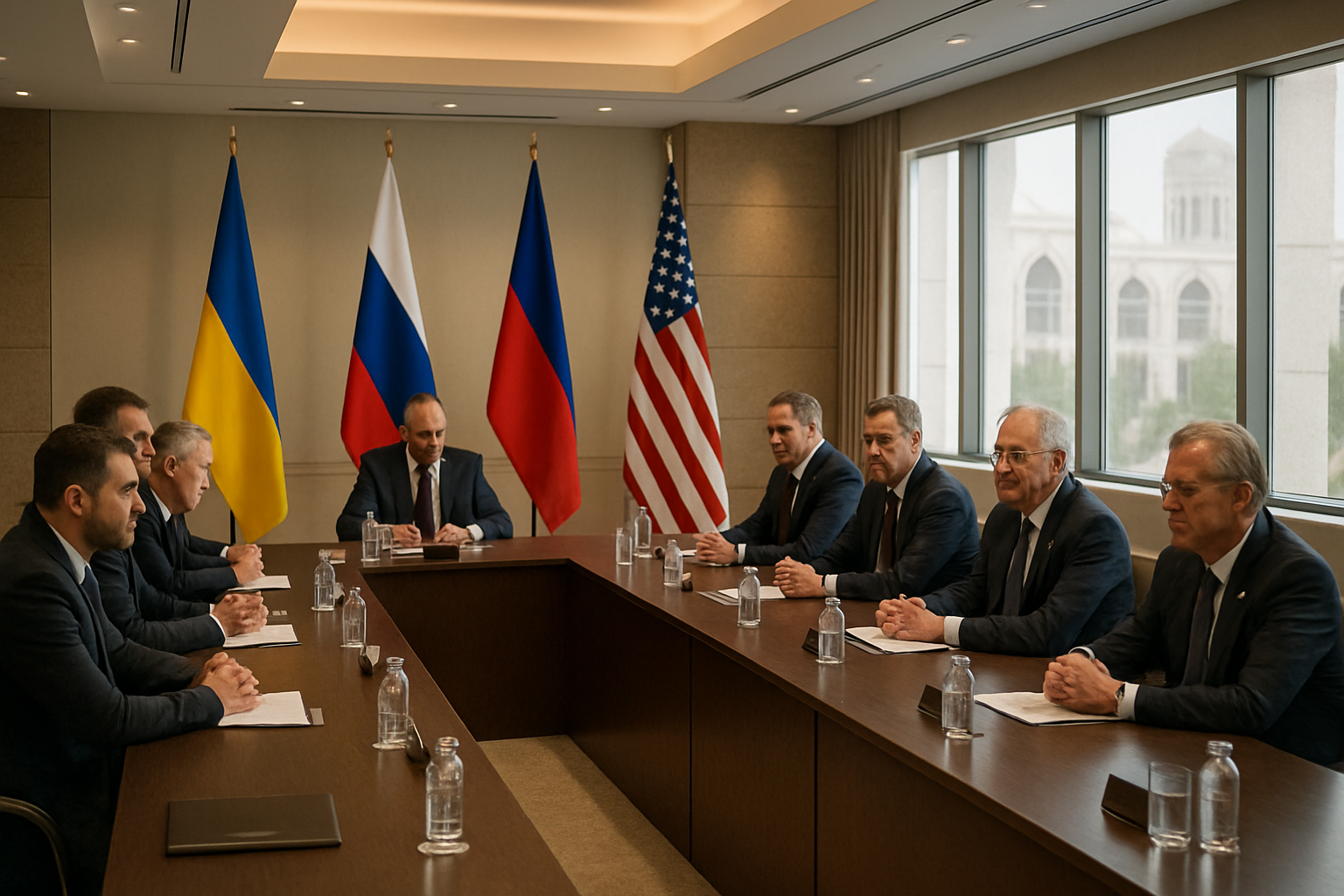
Ukrainian President Volodymyr Zelensky announced Saturday that crucial trilateral peace talks between Ukraine, Russia, and the United States have been rescheduled for February 4-5 in Abu Dhabi, marking the second round of negotiations aimed at ending the nearly four-year conflict.
The talks, originally scheduled for Sunday, February 1, were postponed following what sources described as "constructive" preliminary discussions between American and Russian negotiators in Miami on January 31. The delay reflects ongoing diplomatic maneuvering as all three parties seek to establish substantive negotiating frameworks rather than limiting discussions to technical issues.
In his nightly video address Saturday, Zelensky expressed Ukraine's readiness for comprehensive negotiations while emphasizing the need for concrete results. "Ukraine is ready to work in all working formats. It is important that there be results and that the meetings take place. We are counting on meetings next week and are preparing for them," the Ukrainian president stated.
Background of Diplomatic Efforts
The upcoming Abu Dhabi talks represent the second round of trilateral negotiations following initial discussions held in late January. The United States has been spearheading diplomatic efforts to end the conflict, which began with Russia's invasion of Ukraine in February 2022. The choice of Abu Dhabi as the venue underscores the UAE's growing role as a neutral intermediary in international conflicts.
According to multiple sources, the first round of talks in January made limited progress on the key issue of territorial control, which remains the primary sticking point in negotiations. The current diplomatic push comes as Ukraine's energy infrastructure continues to face relentless Russian attacks during one of the coldest winters in recent years.
"We are in constant communication with the American side and are expecting specific details from them regarding further meetings."
— Volodymyr Zelensky, President of Ukraine
Strategic Timing and Context
The rescheduling of talks comes amid escalating military activity on multiple fronts. Reports indicate that Russia launched over 10,000 drones and bombs against Ukrainian targets in January alone, with particular focus on energy infrastructure. This sustained campaign has severely impacted Ukraine's power grid during harsh winter conditions, adding urgency to diplomatic efforts.
The preliminary Miami meeting between US and Russian officials, featuring Russian special representative Kirill Dmitriev, was characterized by both sides as "constructive." This unexpected development influenced the decision to expand the Abu Dhabi talks beyond purely technical discussions to include substantive political negotiations with full American participation.
Negotiating Challenges Ahead
Multiple sources confirm that territorial control remains the most significant obstacle to any potential agreement. The complex nature of the conflict, involving questions of sovereignty, security guarantees, and post-conflict reconstruction, presents formidable challenges for negotiators from all three nations.
The talks will also need to address ongoing military actions, including recent strikes that have continued even as diplomatic efforts intensify. On the same day as Zelensky's announcement, Russian forces struck a maternity hospital in Zaporizhzhia, injuring six people, highlighting the precarious balance between warfare and diplomacy.
International Stakes
The Abu Dhabi negotiations carry significance beyond the immediate conflict, potentially setting precedents for international conflict resolution in the modern era. The trilateral format represents a departure from traditional bilateral negotiations, reflecting the complex geopolitical realities of the current conflict.
European allies are closely monitoring the talks, with some expressing concerns about any agreements that might not adequately address Ukraine's sovereignty and territorial integrity. The role of the United States as both mediator and participant adds another layer of complexity to the diplomatic dynamics.
As negotiators prepare for the February 4-5 meetings, the international community watches closely for signs of meaningful progress toward ending a conflict that has reshaped European security architecture and global diplomatic relationships. The success or failure of these talks could significantly influence the trajectory of the war and future international crisis management approaches.