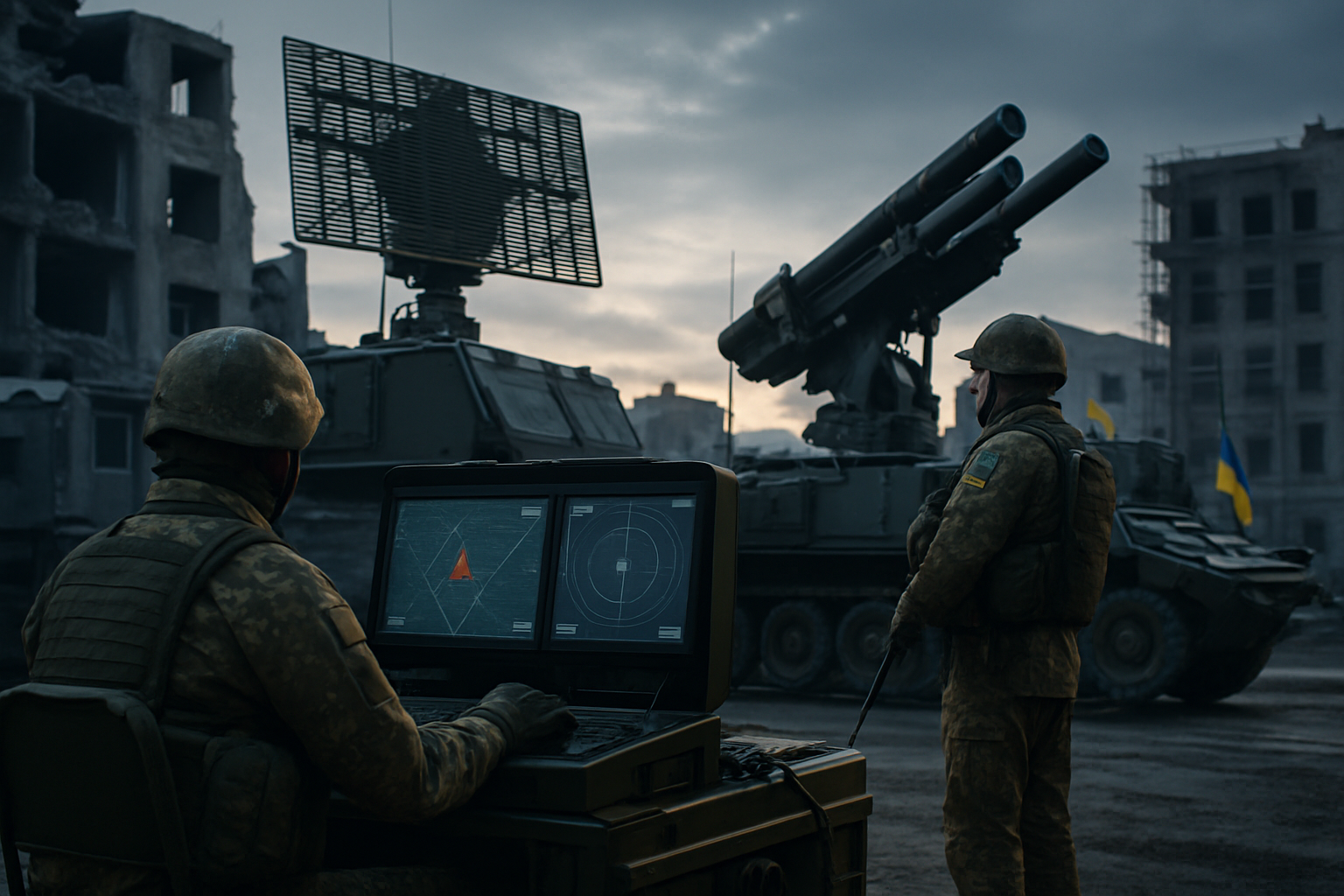
Russia launched one of its most devastating coordinated attacks of 2026, deploying over 660 drones and missiles against Ukrainian cities and killing at least 8 civilians in Dnipro while wounding dozens more. The massive assault comes as trilateral peace negotiations remain indefinitely suspended due to the Iran crisis, marking a critical juncture in the nearly five-year conflict.
Massive Weekend Assault Overwhelms Defenses
Ukrainian air defense forces intercepted an impressive 580 drones and 30 missiles, achieving success rates of 94% for drones and 80% for missiles. However, the sheer volume of the assault—approximately 660 aerial targets—overwhelmed defensive capabilities in several regions, leading to tragic civilian casualties.
In Dnipro, the eastern city suffered the heaviest impact with 6-8 killed and 47-49 wounded, including children. A four-story residential apartment building was partially destroyed, with rescue operations continuing as people remained potentially trapped under rubble. Alexander Hanža, head of the Dnipropetrovsk regional military administration, confirmed the casualty figures.
The Sumy region near the Russian border saw additional casualties, with 2 men aged 48 and 72 killed in drone strikes in Bilopillia, located just 5 kilometers from the Russian border. This brought the total weekend death toll to at least 8 confirmed civilians.
International Spillover Raises NATO Concerns
In a concerning escalation, Russian drone fragments fell in Romania's Galati region, damaging an electricity pole and household annex—marking the first documented property damage in a NATO country from Russian military debris. Romanian authorities evacuated the affected area citing explosive charge concerns, highlighting the expanding geographic risks of conflict spillover.
This incident underscores the growing threat to NATO's eastern borders as the conflict intensifies, with debris incidents previously reported in Estonia, Latvia, and now Romania during Russian targeting missions.
Peace Process Derailed by Iranian Crisis
The massive assault occurred while trilateral Ukraine-Russia-US negotiations remain suspended indefinitely since March 2026 due to the Iran crisis consuming American diplomatic attention. This represents a major setback to the momentum built in February 2026, when historic breakthroughs included:
- The largest prisoner exchange in five months, involving 314 individuals
- Restoration of US-Russia military communications after a four-year suspension
- Geneva talks that achieved "significant progress" on ceasefire monitoring mechanisms
- First-time participation of European "Big Five" observers (Germany, France, Italy, UK, Poland)
The Trump administration's June 2026 Washington venue deadline now appears uncertain due to Middle East priorities, leaving the framework for negotiations preserved but timeline indefinite.
Diplomatic Framework Still Intact
Despite the suspension, diplomatic achievements remain intact for potential reactivation when the Iran crisis permits. The UAE methodology of working groups by topic has proven effective for humanitarian results, including prisoner exchange mechanisms and Pentagon-Moscow deconfliction protocols covering Syria, Arctic, and Africa operations.
Military Situation Accelerates
The conflict continues to intensify on multiple fronts, with Russian territorial gains accelerating dramatically. Moscow forces captured 481 square kilometers in January 2026 versus 260 square kilometers in December 2025—an 85% increase representing the fastest territorial expansion in months.
Russia now operates approximately 101,000 troops dedicated to drone operations, constituting the largest unmanned force in modern warfare. This systematic "energy terrorism" strategy has left over 1,170 Kyiv buildings with inadequate heating, while Ukrainian nuclear plants were forced to halt electricity production for the first time in the conflict—clear violations of the Geneva Conventions.
"Every dollar paid for Russian oil is money for war. Billions spent on Russian crude are directly converted to new strikes against Ukraine."
— President Volodymyr Zelensky
Ukraine's Strategic Transformation
Despite facing massive pressure, Ukraine has evolved from aid recipient to security provider, deploying over 200 military specialists to the UAE, Qatar, Jordan, Bahrain, and Kuwait to share Shahed drone defense expertise—ironically combating the same Iranian weapons systems attacking Ukrainian civilians.
The United Kingdom has revealed four operational Maintenance, Repair, and Operations (MRO) facilities within Ukraine servicing Western-supplied equipment, with a fifth planned. This represents the first public acknowledgment of extensive military infrastructure on Ukrainian soil and demonstrates long-term Western commitment beyond the current conflict.
Humanitarian Crisis Deepens
President Zelensky has disclosed that 55,000 Ukrainian soldiers have been officially killed, with a "large number" missing. International estimates suggest actual casualties may be 2-3 times higher. The systematic targeting of civilian infrastructure continues to violate international humanitarian law, with 15 DTEK energy workers killed while attempting to restore power—documented war crimes under Geneva Conventions.
Over 17.8 million Ukrainians are accessing winter support programs as the systematic civilian targeting strategy pressures the population during extreme conditions.
Nuclear Governance Crisis
The conflict unfolds against an unprecedented nuclear governance crisis. The New START treaty expired on February 5, 2026, marking the first time in over 50 years without US-Russia nuclear constraints. Both superpowers control 80% of global nuclear weapons—Russia possesses 4,380 warheads while the US maintains 3,708.
UN Secretary-General António Guterres has warned of a "grave turning point," with nuclear risks at their "highest in decades." The restoration of Pentagon-Russian General Staff communications represents the only formal superpower diplomatic channel remaining.
International Support Amid Divisions
International backing for Ukraine remains historically unprecedented despite internal divisions. The European Union's €90 billion loan package represents the largest single-nation assistance ever provided, though Slovakia, Czech Republic, and Hungary refused participation, exposing bloc divisions.
Continued military support includes Sweden-Denmark's €246 million air defense systems and Germany's delivery of 35 Patriot missiles. However, the framework for negotiations can be reactivated when favorable conditions return.
Territorial Sticking Points Unchanged
The fundamental disagreement over eastern Ukrainian territories under Russian control persists as the core obstacle to peace. Russia demands recognition of occupied territories and insists on Moscow as the venue for Putin-Zelensky talks, while Ukraine maintains its territorial integrity position.
President Zelensky has categorically rejected territorial concessions, stating that the Ukrainian people would reject "handing over territories as a failure story."
Strategic Implications for Global Order
The stakes extend far beyond Ukraine's borders, encompassing European security architecture redefinition, international law enforcement credibility, and territorial sovereignty principles for the 21st century. Success in eventual resumed talks could end Europe's deadliest war since World War II and provide a conflict resolution template for future disputes.
Failure, however, risks continued escalation with global implications for how territorial disputes are resolved and whether diplomatic solutions can prevail over military approaches in determining European security architecture for decades to come.
Looking Ahead: Uncertain Timeline
The timeline for resumed negotiations depends entirely on the resolution of the Iran crisis and broader Middle East stability. Military escalation continues with systematic civilian targeting while Ukraine expands international partnerships and maintains operational capabilities.
The framework achievements from February 2026—prisoner exchange mechanisms, structured negotiation formats, and Pentagon-Moscow deconfliction protocols—remain intact for reactivation when favorable conditions return. However, the window for diplomatic innovation versus continued military escalation narrows as the conflict approaches its fifth year.
As Ukraine demonstrates remarkable resilience in the face of unprecedented attacks, the international community faces a critical test of whether multilateral diplomatic mechanisms can overcome the challenges of managing simultaneous global crises while preserving momentum on Europe's most significant security challenge since the Cold War.