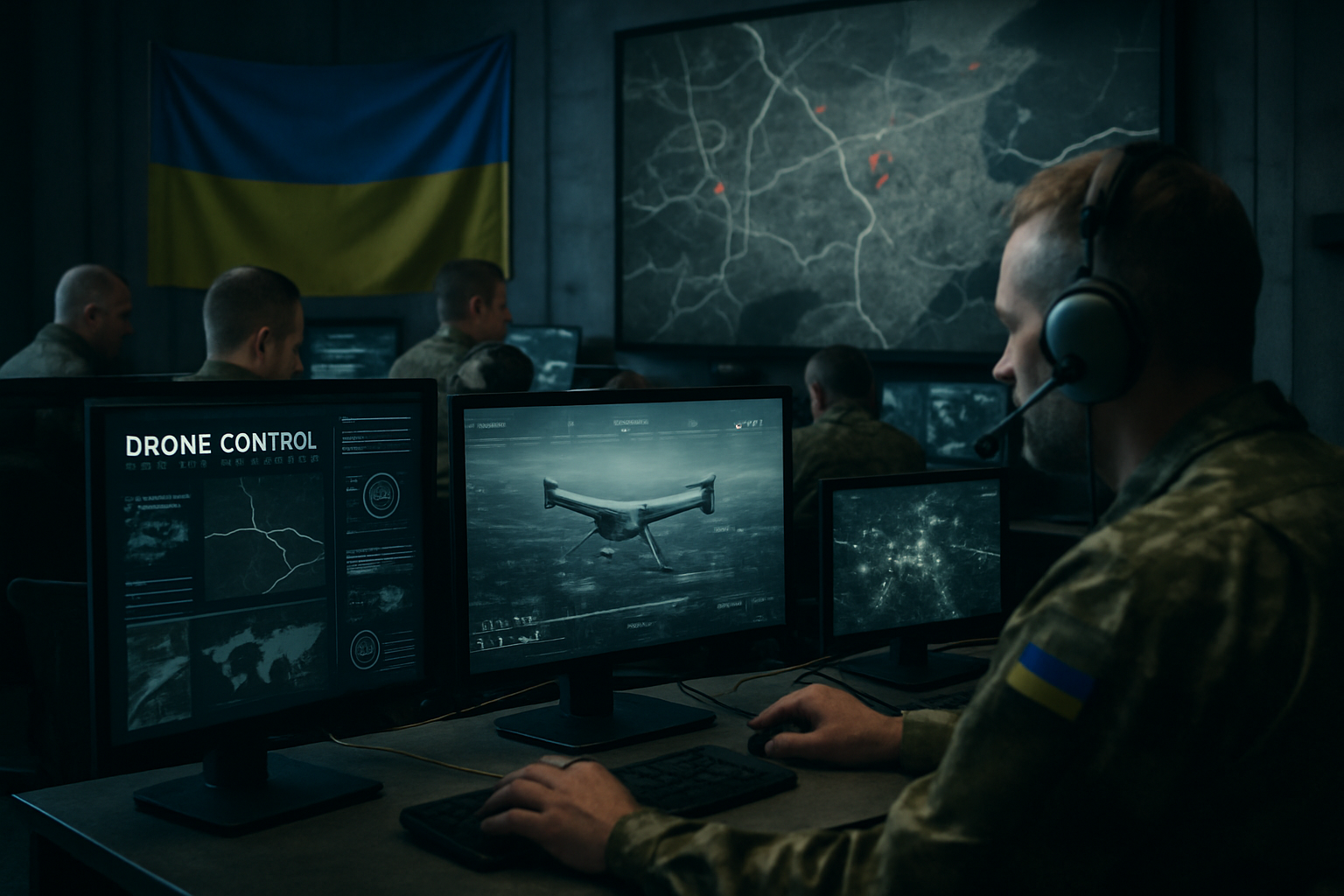
Ukrainian forces successfully repelled multiple Russian breakthrough attempts while maintaining deep-strike capabilities against strategic targets, as intelligence reveals Russian preparations for expanded offensive operations with enhanced engineering capabilities for mine clearance on key fronts.
The latest intelligence from Ukrainian military sources indicates a complex battlefield dynamic, with Russian units receiving specialized equipment for overcoming Ukrainian defensive positions while Ukraine demonstrates sustained operational reach through precision strikes on critical infrastructure.
Russian Offensive Preparations and Engineering Capabilities
Russian forces on the Oleksandrivka axis have received significant engineering munitions specifically designed for remote demining of Ukrainian positions, according to Ukrainian military intelligence. This development represents a strategic shift as Moscow attempts to resume counterattacks and regain tactical initiative in sectors where Ukrainian defensive preparations have proven particularly effective.
The enhanced engineering capabilities suggest Russian forces are adapting to the reality of extensive Ukrainian minefields that have significantly slowed previous offensive operations. Military analysts note this represents a more methodical approach to overcoming prepared defensive positions, potentially indicating lessons learned from previous failed breakthrough attempts.
Ukrainian Defensive Successes and Strategic Operations
On the Kursk axis, Ukrainian forces demonstrated tactical excellence as the 71st Separate Airmobile Brigade, working alongside other Armed Forces units, successfully thwarted multiple Russian infiltration attempts. The operations included preventing breakthrough attempts through gas pipeline infrastructure and neutralizing assault groups using unconventional mobility platforms including quad bikes and motorcycles.
This defensive success highlights the adaptability of Ukrainian forces in countering Russian tactical innovations while maintaining cohesive defensive lines across multiple sectors simultaneously.
"Russian forces are attempting to open new front sectors while Ukrainian defenders maintain operational flexibility across all axes."
— Military Spokesperson
Military Movements and Strategic Assessment
Intelligence assessments reveal ongoing redeployment of Russian light armored vehicles, including specialized airborne units. However, military analysts emphasize these movements appear focused on rotation and loss replacement rather than preparation for large-scale offensive operations.
On the Orikhiv axis, Russian forces have intensified assault operations targeting settlements near Shcherbaky and Pavlivka in apparent attempts to expand operational frontages. These actions suggest a strategy of testing multiple sectors rather than concentrated breakthrough attempts.
The Sumy region situation remains complex, with Russian forces having seized several border settlements while Ukrainian forces continue to prevent deeper territorial penetration. Military sources confirm that despite Russian territorial claims, all attempts at significant inland advancement have been "promptly thwarted."
Strategic Strike Operations
Ukrainian forces have confirmed successful strikes against high-value Russian targets, including renewed attacks on the Tuapse oil refinery in Russia's Krasnodar region. The General Staff verified coordinated operations against two large Russian landing ships, an oil depot, and ammunition storage facilities, demonstrating sustained deep-strike capabilities.
These operations, confirmed by multiple military commands including the Ukrainian Unmanned Systems Forces, represent continued pressure on Russian logistical and industrial infrastructure supporting military operations.
International Diplomatic Context
The military developments occur against a backdrop of complex international diplomatic engagement. Dutch Foreign Minister Tom Berendsen has articulated the "geopolitical necessity" of Ukraine's European Union membership, indicating sustained Western political support despite ongoing military challenges.
French sources report ongoing high-level discussions between European leaders regarding security cooperation and military assistance, with particular focus on nuclear deterrence considerations as the conflict continues.
Operational Implications
The current phase of military operations suggests both sides are adapting to evolved battlefield conditions. Russian engineering enhancements for mine clearance indicate recognition of Ukrainian defensive effectiveness, while Ukrainian strategic strikes demonstrate maintained operational reach despite sustained defensive pressures.
Military experts note this dynamic creates a complex operational environment where tactical adaptations by both forces continue reshaping engagement patterns across multiple fronts simultaneously.
The combination of Russian offensive preparations with Ukrainian defensive successes and strategic strike maintenance indicates the conflict continues to evolve tactically while fundamental strategic positions remain largely unchanged across key sectors.