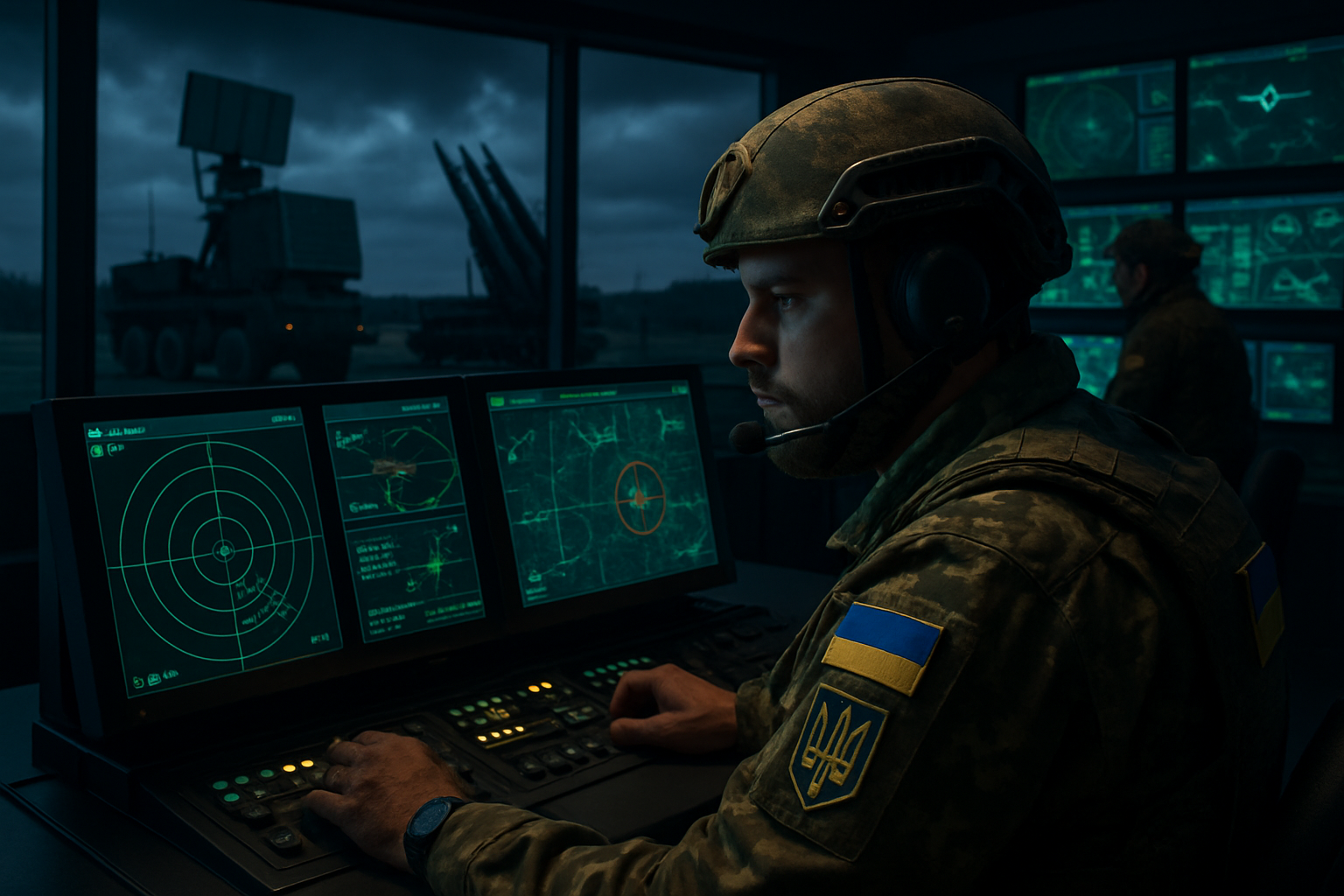
Russian forces have dramatically escalated their drone and artillery campaign across Ukraine, launching 756 strikes on 44 settlements in the Zaporizhzhia region alone within a 24-hour period, while Ukrainian defense forces successfully repelled massive aerial attacks on civilian infrastructure in northern cities including Chernihiv.
The intensified bombardment comes as trilateral peace negotiations between Ukraine, Russia, and the United States remain indefinitely suspended due to the ongoing Iran crisis consuming American diplomatic attention. This suspension has derailed the momentum from historic February 2026 breakthroughs that included the largest prisoner exchange in five months and the restoration of US-Russia military communications after a four-year suspension.
Zaporizhzhia Under Siege
According to Ukrainian military sources, the southeastern Zaporizhzhia region bore the brunt of Russian aggression over the past day, with occupying forces conducting 756 separate attacks across 44 settlements. Local authorities confirmed one civilian injury in the regional capital as a result of the sustained bombardment, which targeted both residential areas and critical infrastructure.
The scale of attacks represents a significant escalation in Russia's systematic targeting of civilian populations, with artillery, multiple rocket launcher systems, and attack drones all deployed in coordinated strikes designed to terrorize local communities and disrupt normal life.

Chernihiv Drone Attacks Thwarted
In northern Ukraine, the city of Chernihiv came under sustained drone attack as Russian forces deployed unmanned aerial vehicles to target civilian infrastructure. Ukrainian air defense systems successfully intercepted the majority of attacking drones, though debris from one crashed UAV caused damage to two residential buildings and an educational institution.
Regional military administration chief Dmytro Bryzhynsky confirmed casualties from the overnight assault, though the exact number and condition of wounded civilians is still being determined. The attack follows a pattern of Russian forces specifically targeting civilian areas during nighttime hours when residents are most vulnerable.
"The enemy continues to deliberately target civilian infrastructure in violation of international humanitarian law. Our air defense forces are working around the clock to protect our people."
— Ukrainian Military Command
Ukrainian Forces Strike Back
Ukrainian defense forces demonstrated their continued operational capabilities with successful counterstrikes against Russian military assets. The 72nd Mechanized Brigade named after the Black Zaporozhians destroyed two Russian 2S19 Msta-S self-propelled artillery systems and two towed D-30 howitzers on Russian territory, significantly degrading enemy fire support capabilities.
Additionally, Ukrainian forces successfully targeted a Russian TOS-1A Solntsepyok heavy flamethrower system in temporarily occupied areas of the Zaporizhzhia region. The TOS-1A, known for its devastating thermobaric rocket capabilities, represents a high-value target in Russian military doctrine.
Diplomatic Stalemate Continues
The suspension of trilateral peace talks represents a major setback for international diplomatic efforts to end Europe's deadliest conflict since World War II. The February 2026 breakthrough had achieved significant progress including:
- A historic 314-prisoner exchange, the largest in five months
- Restoration of US-Russia military communications after a four-year suspension
- Participation of European "Big 5" observers (Germany, France, Italy, UK, Poland) for the first time
- Establishment of Pentagon-Moscow deconfliction protocols covering global operations
However, the Iran crisis has consumed American foreign policy attention, leaving the Trump administration's June 2026 Washington venue deadline uncertain. Ukrainian President Volodymyr Zelensky previously stated there are "no necessary signals for trilateral meetings until the security situation allows."
Systematic Civilian Targeting
The current wave of attacks continues Russia's documented pattern of "energy terrorism" and systematic civilian targeting. Over 1,170 Kyiv buildings still lack adequate heating from previous attacks, while Ukrainian nuclear plants were forced to halt electricity production for the first time in the conflict.
Intelligence reports indicate Russia operates approximately 101,000 troops dedicated to drone operations as of April 2026, representing the largest unmanned force in modern warfare history. This massive deployment of drone capabilities allows for sustained harassment of civilian populations while minimizing Russian personnel exposure to Ukrainian air defenses.
International Response and Support
Despite diplomatic setbacks, international support for Ukraine remains substantial. The European Union's historic €90 billion loan package represents the largest single-nation assistance program ever, though Slovakia, Czech Republic, and Hungary have refused participation, exposing divisions within the bloc.
The United Kingdom has revealed the existence of four operational maintenance, repair, and overhaul (MRO) facilities on Ukrainian territory servicing Western-supplied equipment, with a fifth facility planned. This represents the first public acknowledgment of extensive military infrastructure supporting Ukraine's defense capabilities.
"Ukraine's evolution from aid recipient to security provider demonstrates the strategic transformation taking place. Ukrainian military experts are now deployed across the Middle East sharing drone defense expertise."
— Defense Analysis Firm
Nuclear Crisis Backdrop
The military escalation occurs against the backdrop of an unprecedented nuclear governance crisis. The New START treaty expired on February 5, 2026, marking the first time in over 50 years that the United States and Russia operate without bilateral nuclear constraints.
Both superpowers control approximately 80% of the world's nuclear weapons, with Russia possessing 4,380 warheads and the US maintaining 3,708. UN Secretary-General António Guterres has warned of a "grave turning point" with nuclear risks at their highest levels in decades.
Humanitarian Crisis Deepens
The human toll of the conflict continues to mount, with President Zelensky having disclosed that 55,000 Ukrainian soldiers have been officially killed, though he noted a "large number" remain missing. International estimates suggest actual casualties may be 2-3 times higher.
Systematic targeting of repair personnel violates Geneva Convention protections, with 15 DTEK energy workers killed while attempting to restore power infrastructure. Over 17.8 million Ukrainians continue to access winter support programs as authorities struggle to maintain basic services under constant bombardment.
Strategic Implications
The suspension of peace talks by the Iranian crisis demonstrates the interconnected nature of regional conflicts in today's multipolar security environment. Stakes include European security architecture redefinition, international law enforcement credibility, and territorial sovereignty principles for the 21st century.
Success in eventual resumed talks could end Europe's deadliest war since World War II and provide a territorial dispute resolution template. Failure risks continued escalation with global implications for diplomatic solutions to territorial disputes worldwide.
Looking Ahead
The timeline for resumed negotiations depends entirely on resolution of the Iran crisis and broader Middle East stability. Military escalation continues with systematic civilian targeting while Ukraine expands international partnerships and maintains operational capabilities.
Framework preservation remains possible – prisoner exchange mechanisms, Pentagon-Moscow deconfliction protocols, and structured negotiation formats can be reactivated when favorable conditions return. However, fundamental territorial disagreements over eastern Ukrainian territories under Russian control persist as the central sticking point.
As Ukraine enters its fifth year of full-scale conflict, the test of diplomatic innovation versus continued military escalation will determine European security trajectories for decades to come. The international community watches as the template for 21st-century conflict resolution hangs in the balance.