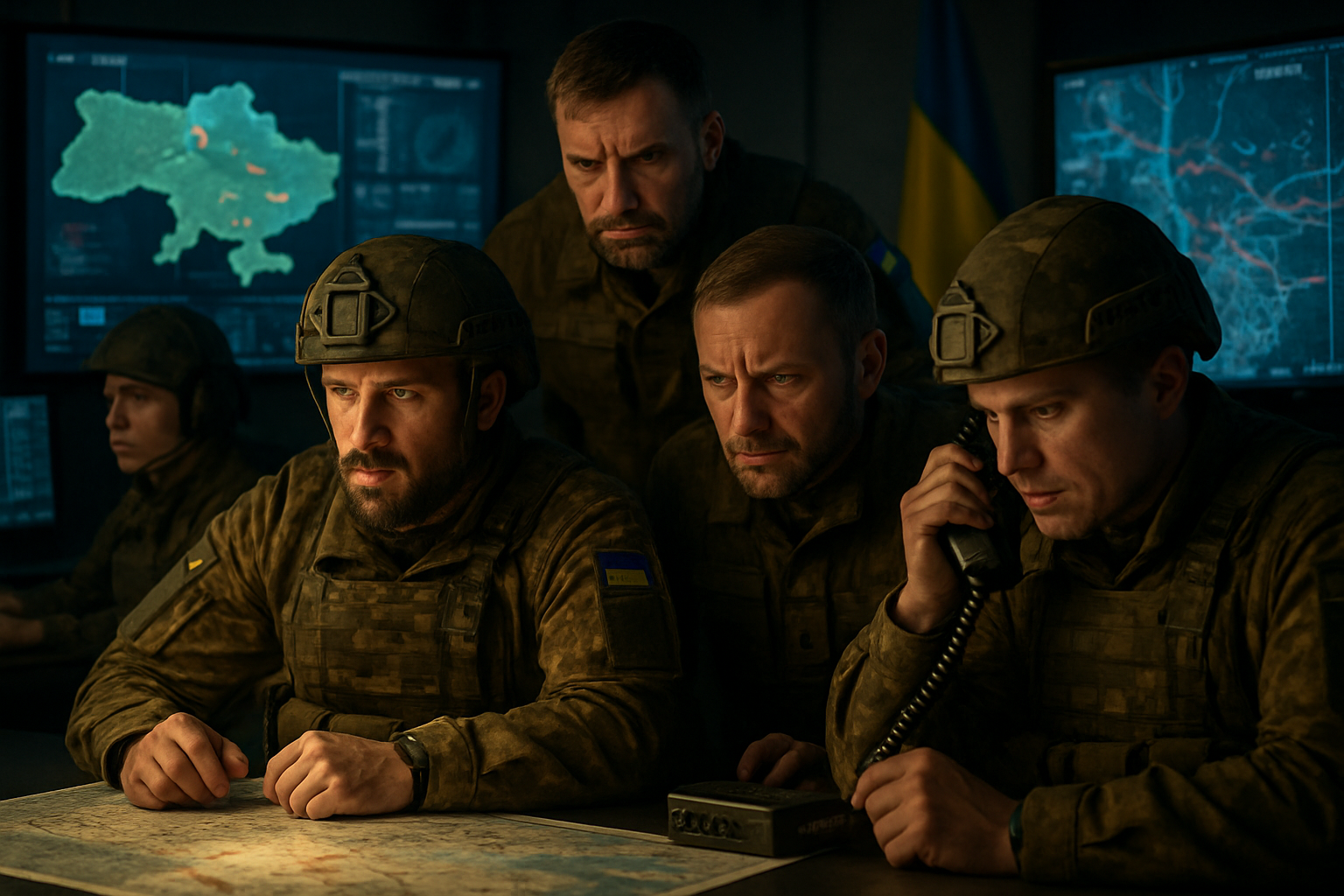
Russian military forces have suffered approximately 980 casualties in the past 24 hours, bringing total combat losses to over 1.3 million personnel since the February 2022 invasion, according to Ukrainian Defense Ministry reports released Monday as the conflict enters its third year with no diplomatic resolution in sight.
The latest casualty figures come as Ukraine continues to strengthen military partnerships with international allies while peace negotiations between Ukraine, Russia, and the United States remain indefinitely suspended due to the ongoing Iran crisis consuming American foreign policy attention.
Massive Russian Losses Continue Mounting
Ukrainian military sources report that Russian forces have lost a total of approximately 1,305,470 personnel since February 24, 2022, with the single-day toll of 980 troops representing one of the heaviest casualty rates in recent months. The figures, which cannot be independently verified, also indicate the destruction of two Russian air defense systems over the past day.
These devastating losses come amid continued Russian territorial advances, with Moscow's forces having captured 481 square kilometers in January 2026 compared to 260 square kilometers in December 2025 - an 85% increase representing the fastest monthly territorial expansion in recent periods. The tactical gains, however, are coming at an increasingly unsustainable human cost.
Ukrainian President Volodymyr Zelensky has previously disclosed that 55,000 Ukrainian soldiers have been officially confirmed killed, with a "large number" still missing in action. International estimates suggest actual casualties on both sides could be 2-3 times higher than official figures.
Diplomatic Stalemate Deepens
The military escalation continues against the backdrop of a major diplomatic crisis. Trilateral peace negotiations between Ukraine, Russia, and the United States, which showed historic promise in February 2026, remain indefinitely suspended due to the Iran crisis.
The February breakthrough had achieved the largest prisoner exchange in five months - involving 314 individuals - and restored US-Russia military communications after a four-year suspension. Geneva talks in February had also shown "significant progress" on ceasefire monitoring mechanisms with European "Big 5" observers participating for the first time.
"Due to the situation around Iran, there are still no necessary signals for trilateral meeting, but talks will resume as soon as the security situation allows."
— President Volodymyr Zelensky
The suspension represents a major setback to what many observers considered the most significant diplomatic opportunity since the invasion began. The Trump administration had established a June 2026 deadline for comprehensive peace talks in Washington, potentially involving presidential-level engagement.
Ukraine's Strategic Evolution
Despite the diplomatic deadlock, Ukraine has transformed from an aid recipient to a global security provider, deploying over 200 military specialists to Middle Eastern nations including the UAE, Qatar, Jordan, Bahrain, and Kuwait. These experts are sharing battlefield experience in combating Iranian Shahed drones - the same weapons that continue to devastate Ukrainian infrastructure.
The evolution reflects Ukraine's growing role as a strategic partner in regional security, leveraging hard-won battlefield expertise into diplomatic influence. Ukrainian forces have demonstrated sophisticated long-range strike capabilities, with recent operations targeting Russian energy infrastructure over 2,000 kilometers from the front lines.
Germany has also strengthened its support, with recent deliveries of Patriot missiles and the unprecedented arrangement whereby Ukrainian instructors will train German soldiers using battlefield experience as Berlin prepares for potential Russian threats.
Continued Attacks on Civilian Infrastructure
Russian forces continue systematic attacks on civilian targets across multiple Ukrainian regions. Recent strikes hit the Zaporizhzhia region with 788 attacks targeting 43 settlements, injuring three people. In Dnipropetrovsk region, Russian attacks on four districts since yesterday evening killed an 11-year-old boy and wounded five others.
The pattern of civilian targeting has been consistent throughout the conflict, with over 1,170 buildings in Kyiv still lacking adequate heating from previous energy infrastructure attacks. Ukrainian nuclear plants were forced to halt electricity production for the first time in the conflict, creating additional humanitarian pressure during winter conditions.
These attacks violate the Geneva Conventions' protections for civilians and constitute what Ukrainian officials describe as "energy terrorism" - using infrastructure destruction as a weapon against the civilian population.
International Support Amid Divisions
Ukraine continues to receive unprecedented international support, including the European Union's historic €90 billion loan package - the largest single-nation assistance program in EU history. However, divisions persist within European ranks, with Slovakia, Czech Republic, and Hungary refusing to participate in the financing.
In March alone, Ukraine received medical humanitarian aid worth approximately UAH 31 million from international partners, demonstrating continued global commitment to supporting Ukrainian resistance. Sweden and Denmark have pledged €246 million for air defense systems, while approximately 26,000 Ukrainian Armed Forces personnel have undergone advanced training in Germany since mid-2022.
The UK has revealed it operates four facilities in Ukraine for maintaining and repairing Western-supplied equipment, with a fifth facility planned, marking the first public acknowledgment of such extensive military infrastructure on Ukrainian soil.
Nuclear Crisis Backdrop
The escalating conflict unfolds against an unprecedented nuclear governance crisis. The New START treaty between the US and Russia expired on February 5, 2026, marking the first time in over 50 years that the world's two largest nuclear powers operate without bilateral constraints. Together, they control approximately 80% of global nuclear weapons.
UN Secretary-General António Guterres has described this as a "grave turning point," warning that nuclear risks are at their "highest level in decades." The restored military communications between Washington and Moscow represent the only remaining formal diplomatic channel between the superpowers.
Regional Implications and War Crimes
Ukrainian prosecutors continue documenting systematic war crimes, recently notifying two Russian Armed Forces servicemen of charges for attempted murder and torture of civilians during the temporary occupation of Bucha. Such accountability efforts underscore the long-term implications of the conflict for international law enforcement.
In occupied territories, Ukrainian partisan sources report that Russian forces are struggling to quickly restore air defense systems in Crimea following Ukrainian strikes, indicating sustained pressure on Russian military capabilities across occupied territories.
The Bryansk plant "Kremniy El," struck by Ukrainian forces on March 10, remains in emergency recovery mode with production halted, demonstrating Ukraine's ability to target Russian military-industrial infrastructure deep inside Russian territory.
Looking Ahead
As the conflict continues with no clear end in sight, the suspension of peace talks represents a critical juncture for European security. The framework for negotiations remains preserved - prisoner exchange mechanisms, Pentagon-Moscow deconfliction protocols, and structured negotiation formats developed through UAE methodology can be reactivated when the Iran crisis permits.
The stakes extend far beyond Ukraine's borders, encompassing European security architecture, international law enforcement, and territorial sovereignty principles that will shape 21st-century power competition. Success in eventual resumed talks could end Europe's deadliest war since World War II and provide a template for conflict resolution. Failure risks continued escalation with global implications for diplomatic solutions to territorial disputes.
With over 17.8 million Ukrainians accessing winter support programs and systematic civilian targeting continuing, the humanitarian cost grows daily while the international community manages multiple simultaneous crises in an increasingly complex multipolar security environment.
The coming phase remains uncertain, with the timeline for resumed negotiations dependent on resolution of the Iran situation. Military escalation continues with systematic civilian targeting while Ukraine maintains operational capabilities and expands international partnerships, potentially creating new diplomatic leverage when conditions allow for renewed peace efforts.