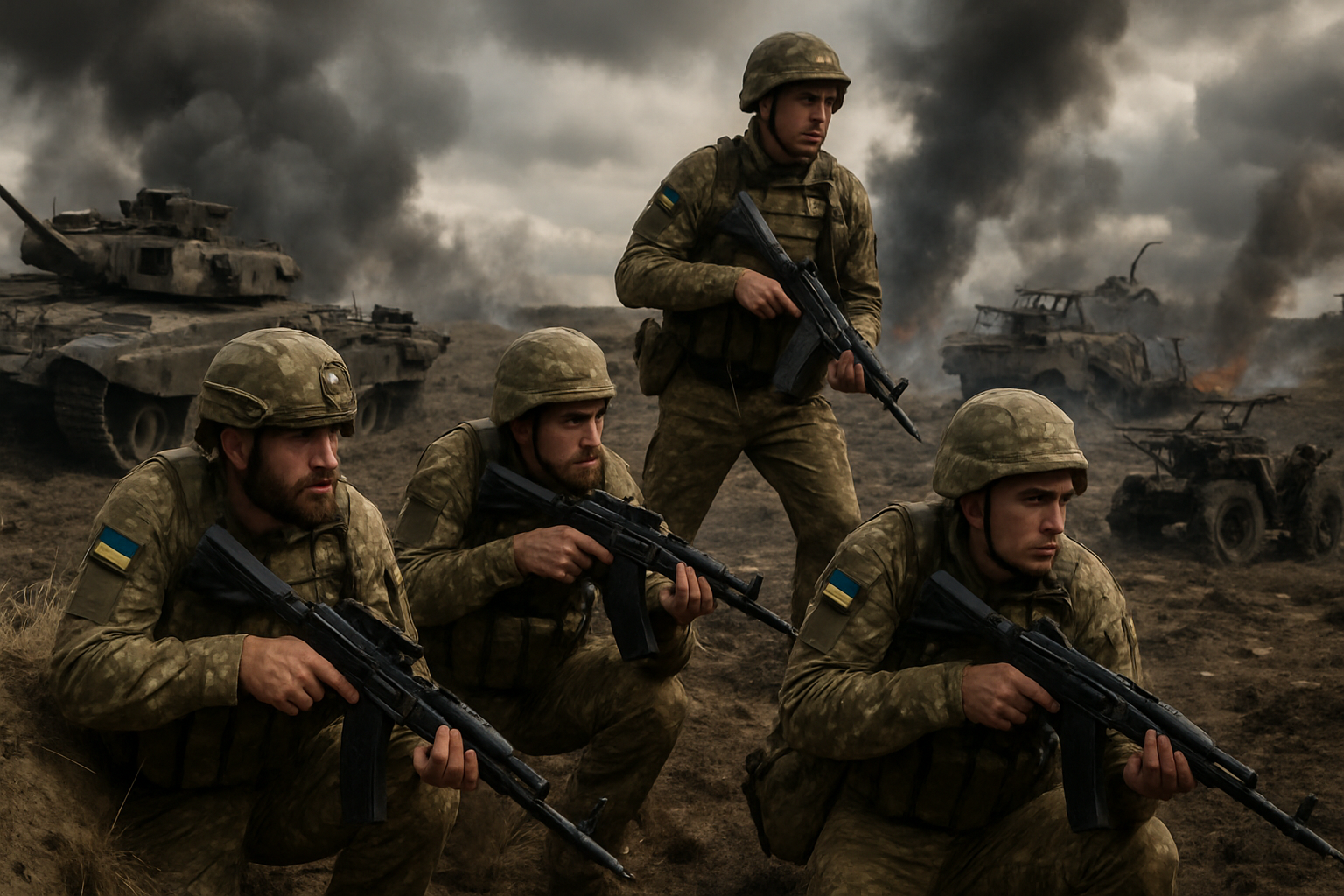
Ukrainian forces have successfully repelled significant Russian military assaults in two strategic sectors, with the 14th Mechanized Brigade of the Ukrainian Ground Forces destroying Russian armored vehicles, quad bikes, and enemy personnel near Kupiansk, while defense forces in Donetsk region neutralized the first Russian motorized assault in three months in the Hryshyne area.
The defensive operations, conducted on March 18, 2026, underscore the continued effectiveness of Ukrainian military units despite nearly two years of sustained Russian offensive pressure across multiple front lines. These successful defensive actions come at a critical juncture in the conflict, as diplomatic efforts remain suspended due to the ongoing Iran crisis that has indefinitely postponed peace negotiations between Ukraine, Russia, and the United States.
Kupiansk Sector: 14th Mechanized Brigade Operations
In the Kupiansk sector, soldiers of the 14th Mechanized Brigade demonstrated tactical superiority by repelling another Russian assault attempt. Ukrainian forces successfully destroyed multiple categories of Russian military equipment, including armored vehicles and quad bikes, while inflicting significant personnel casualties on attacking forces.
The Kupiansk area has emerged as one of the most contested regions along the eastern front, with Russian forces maintaining persistent pressure to break through Ukrainian defensive lines. The sector's strategic importance lies in its position along key supply routes and its proximity to major Ukrainian logistics hubs that support operations across the broader Kharkiv region.
Ukrainian military sources report that the 14th Mechanized Brigade's defensive operations were characterized by coordinated use of anti-tank systems, artillery support, and tactical maneuvering that allowed Ukrainian forces to engage Russian assault groups from advantageous positions while minimizing their own casualties.
Donetsk Region: First Motorized Assault in Three Months
In a separate but equally significant engagement, Ukrainian defense forces in the Hryshyne area of Donetsk region successfully repelled what military analysts describe as the first Russian motorized assault in the sector for three months. The assault represented a notable escalation in Russian tactical approaches in this particular area, suggesting renewed attempts to break through established defensive positions.
Ukrainian forces not only repelled the assault but reportedly destroyed most of the attacking vehicles and inflicted heavy personnel casualties on Russian assault units. The success demonstrates the effectiveness of Ukrainian defensive preparations and the continued degradation of Russian offensive capabilities in certain sectors.
The three-month gap between motorized assaults in the Hryshyne area suggests either Ukrainian defensive success in deterring such operations or Russian resource constraints that have limited their ability to mount large-scale mechanized attacks across all sectors simultaneously.
Strategic Context and Military Analysis
These defensive successes occur against the backdrop of broader military developments that have shaped the conflict throughout early 2026. According to historical context from recent months, Russian forces had accelerated territorial gains earlier in the year, capturing 481 square kilometers in January 2026 compared to 260 square kilometers in December 2025 – representing an 85% increase in the fastest territorial acquisition months of the conflict.
However, the successful defensive operations near Kupiansk and Hryshyne suggest that Ukrainian forces have adapted their tactics and consolidated defensive positions effectively enough to halt Russian advances in key sectors. Military analysts note that such defensive successes are crucial for maintaining overall strategic stability while diplomatic processes remain stalled.
The operations also demonstrate the continued effectiveness of Ukrainian mechanized units, particularly the 14th Mechanized Brigade, which has maintained operational readiness despite prolonged engagement periods. The brigade's success in destroying Russian armored vehicles and personnel reflects both tactical proficiency and adequate equipment supplies from international partners.
Diplomatic Context and Peace Process Suspension
These military engagements take place during a critical period when diplomatic efforts to resolve the conflict have been indefinitely suspended. President Volodymyr Zelensky announced in mid-March that trilateral peace negotiations between Ukraine, Russia, and the United States had been postponed due to the Iranian crisis affecting Middle Eastern security situations.
The suspension represents a significant setback to diplomatic momentum that had built through early 2026, including the historic February breakthrough that achieved a 314-prisoner exchange and restored US-Russia military communications after a four-year suspension. The diplomatic framework, which had evolved from successful Abu Dhabi talks through Geneva negotiations, remains intact but awaits resolution of the Iranian crisis for reactivation.
Against this diplomatic uncertainty, military operations continue across multiple fronts, making defensive successes like those near Kupiansk and Hryshyne particularly significant for maintaining Ukrainian strategic positions while awaiting favorable conditions for resumed negotiations.
International Support and Military Capabilities
Ukrainian defensive capabilities demonstrated in these operations reflect continued international support for Ukrainian military modernization. The European Union's historic €90 billion loan package, combined with advanced weapons systems from multiple NATO allies, has enabled Ukrainian forces to maintain sophisticated defensive capabilities even after nearly two years of intensive combat operations.
The United Kingdom's revelation of four operational maintenance, repair, and overhaul (MRO) facilities in Ukraine, with a fifth planned, provides crucial logistical support for maintaining Western-supplied equipment. This infrastructure enables rapid repair and maintenance of advanced systems without requiring transport to neighboring countries, significantly improving operational readiness rates.
Sweden-Denmark's €246 million air defense package, Germany's provision of 35 Patriot missiles, and other allied contributions have created a comprehensive support framework that enables Ukrainian forces to conduct effective defensive operations across multiple sectors simultaneously.
Broader Implications for Conflict Trajectory
The successful repulsion of Russian assaults near Kupiansk and Hryshyne carries implications beyond immediate tactical victories. These operations demonstrate that Ukrainian forces retain the capability to conduct effective defensive operations even during periods of diplomatic uncertainty, providing strategic stability while political processes remain suspended.
For Russian military planning, these defensive defeats represent continued challenges in achieving breakthrough operations despite sustained pressure across multiple fronts. The destruction of armored vehicles and personnel in both sectors suggests ongoing attrition of Russian military capabilities, particularly in mechanized units essential for achieving territorial gains.
The timing of these operations, occurring while peace talks remain suspended due to external factors, highlights the continued military dimensions of the conflict even as diplomatic frameworks await reactivation. Success in maintaining defensive positions provides Ukrainian leadership with strategic leverage for eventual resumed negotiations.
Looking Forward: Military and Diplomatic Considerations
As Ukrainian forces demonstrate continued defensive effectiveness in operations like those near Kupiansk and Hryshyne, the broader trajectory of the conflict remains influenced by both military developments and diplomatic possibilities. The suspension of peace talks due to the Iranian crisis creates uncertainty about timelines for resumed negotiations, making military success increasingly important for maintaining strategic positions.
The proven capability of units like the 14th Mechanized Brigade to repel Russian assaults while inflicting significant equipment and personnel losses suggests that Ukrainian forces can maintain defensive stability across key sectors. This capability provides crucial strategic depth for Ukrainian leadership as they await favorable conditions for reactivating diplomatic processes.
International observers note that such defensive successes, combined with continued international support and the preservation of diplomatic frameworks from earlier breakthrough periods, create conditions for eventual negotiation resumption from positions of strength rather than vulnerability. The combination of military effectiveness and international backing provides Ukraine with strategic options for both continued resistance and eventual diplomatic engagement when circumstances permit.