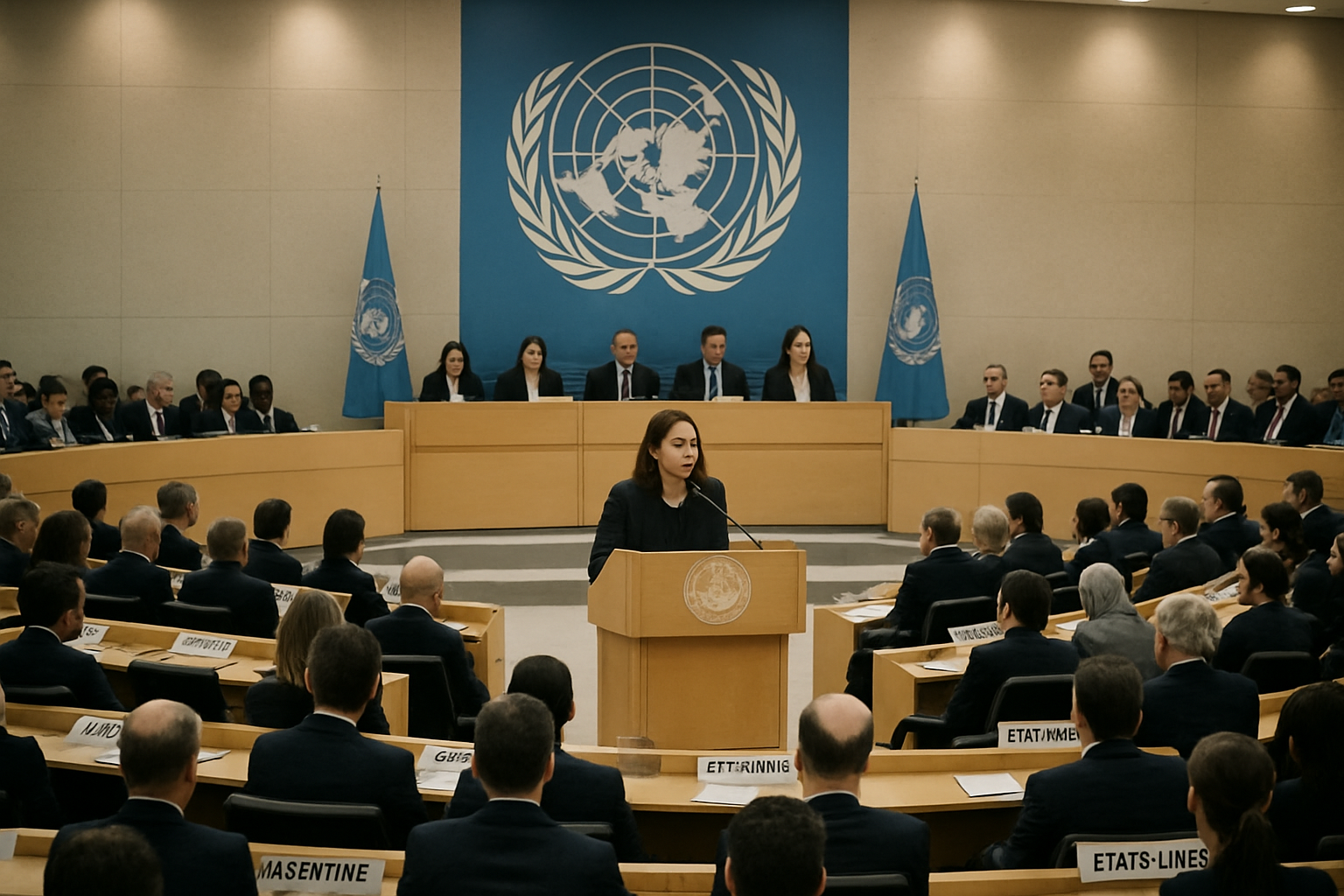
UN Special Rapporteur on Afghanistan Richard Bennett announced he will present a comprehensive report on the right to health for Afghan women and girls to the 61st session of the UN Human Rights Council in Geneva next week, marking a critical assessment of healthcare access under Taliban rule.
Bennett confirmed his preparations for the Geneva presentation in a Friday social media post, following what he described as a recent visit to the region. The report comes amid what international observers have characterized as the world's worst humanitarian crisis in 25 years, with Afghan women and children bearing the brunt of systematic restrictions on healthcare access.
Healthcare System in Crisis
The timing of Bennett's report coincides with unprecedented challenges facing Afghanistan's healthcare infrastructure. According to recent assessments, international aid cuts have forced the closure of hundreds of health centers across the country, creating a severe healthcare vacuum that disproportionately affects women and children.
The World Health Organization (WHO) has been working to address critical shortages, delivering medical oxygen supplies to 23 hospitals across Afghanistan in February 2026—12 in Kabul and 11 in other provinces. This emergency intervention highlights the desperate state of the country's medical infrastructure.
Taliban Restrictions Impact Women's Health
Since the Taliban's return to power in August 2021, Afghan women have faced systematic exclusion from most sectors of employment, with healthcare remaining one of the few areas where women can continue to work. However, even this limited participation faces constant restrictions and challenges.
Recent UN assessments have revealed that 88% of female-headed households are unable to meet minimum living requirements, compared to 75% of the general population struggling with daily needs. This economic hardship has created cascading effects on women's access to healthcare, nutrition, and basic medical services.
"The healthcare crisis represents not just a medical emergency, but a fundamental violation of human rights that demands urgent international attention."
— UN Human Rights Expert
International Response and Diplomatic Efforts
The presentation of Bennett's report comes amid ongoing international efforts to address Afghanistan's humanitarian crisis through diplomatic channels. Recent developments have included regional discussions between Pakistan Prime Minister Shehbaz Sharif and Kazakhstan President Kassym-Jomart Tokayev regarding Afghanistan's security and development challenges.
China has also raised concerns at the UN Security Council about the severe terrorist threat in Afghanistan, citing the continued presence of ISIL, al-Qaeda, and ETIM. These security concerns compound the challenges facing humanitarian organizations attempting to deliver aid to Afghan women and children.
Humanitarian Aid Efforts Continue
Despite political complexities, humanitarian organizations have maintained their commitment to serving Afghan civilians. The International Federation of Red Cross and Red Crescent (IFRC) reported delivering health services to over 2 million people during 2025, supporting 128+ healthcare centers in what represents one of the largest coordinated medical responses in regional history.
The World Food Programme (WFP) has also continued operations, providing school meals to 880,000 children across Afghanistan during 2025 through a nationwide nutrition program, supporting education amid worsening hunger and economic hardship.
Regional Security and Development Context
Bennett's upcoming report will be delivered against the backdrop of complex regional dynamics affecting Afghanistan's humanitarian situation. Recent diplomatic activities have included Azerbaijan's release of 14 Afghan nationals through embassy efforts, demonstrating functional bilateral relationships despite Afghanistan's complex international status.
The Taliban has achieved notable success in counter-narcotics efforts, with officials reporting near-zero opium cultivation following a Supreme Leader decree. This represents a dramatic shift from Afghanistan's previous role as the source of 80% of global opium production, though it has also created additional economic pressures on rural communities.
Looking Ahead: Critical Assessments
The 61st session of the UN Human Rights Council represents a crucial forum for addressing the deteriorating situation of Afghan women's rights. Bennett's report is expected to provide detailed documentation of healthcare access restrictions, their impact on maternal and child health outcomes, and recommendations for international action.
The report comes at a time when the international community faces difficult decisions about balancing humanitarian engagement with political sensitivities. Many organizations have sought to maintain aid operations while navigating the complex political landscape created by Taliban governance.
Broader Implications for Human Rights
The situation in Afghanistan has become a test case for international human rights enforcement in complex political environments. The systematic exclusion of women from education, employment, and public life has created what many observers describe as the world's most severe restrictions on women's rights.
Bennett's role as Special Rapporteur has involved consistent documentation and advocacy regarding these restrictions, working to maintain international attention on the deteriorating situation facing Afghan women and girls.
International Cooperation and Aid Architecture
The evolving aid architecture in Afghanistan demonstrates both the challenges and possibilities for humanitarian engagement. Recent agreements, such as the $9.4 million climate resilience partnership between JICA and UNOPS, show how international organizations continue to work on essential services despite political constraints.
These efforts focus on disaster preparedness, community resilience building, and technical capacity development—areas that can benefit civilian populations while navigating political sensitivities around governance and recognition issues.
As Bennett prepares to address the Human Rights Council, his report will likely emphasize the urgent need for sustained international commitment to Afghan women's healthcare access, while providing concrete recommendations for addressing the current crisis through coordinated humanitarian action.
The presentation next week in Geneva will offer a critical opportunity for the international community to reassess its approach to Afghanistan's humanitarian emergency, with particular focus on protecting the fundamental right to health for Afghan women and girls who have been systematically excluded from basic services and opportunities under Taliban rule.