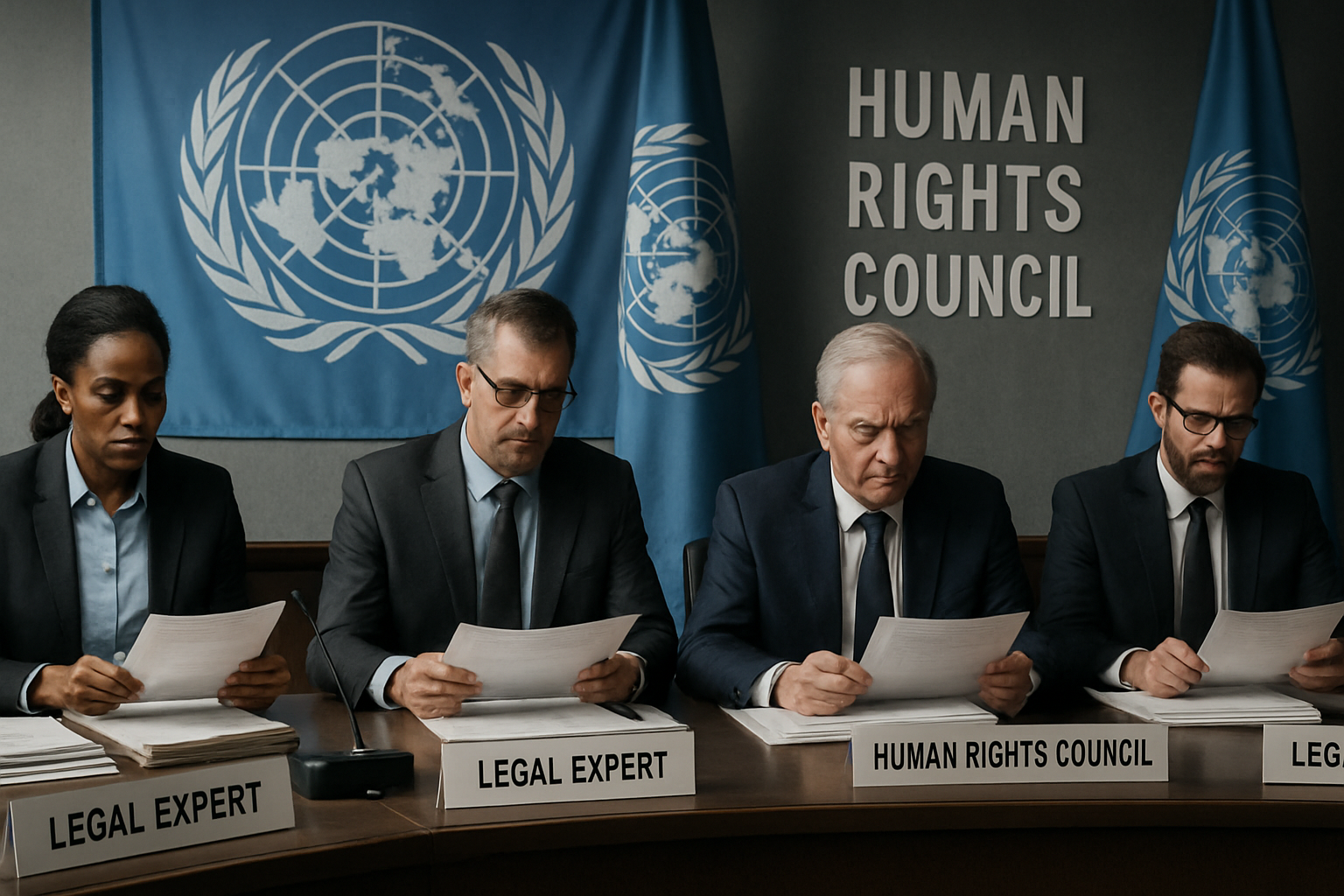
Independent experts appointed by the United Nations Human Rights Council have concluded that millions of files related to Jeffrey Epstein suggest the existence of a "global criminal enterprise" that may have committed acts meeting the legal threshold of crimes against humanity.
The assessment, released by the panel of UN experts, represents the most serious international legal characterization of the Epstein affair to date, elevating the scandal from a matter of individual criminal conduct to potential systematic violations of international law.
Scale and Nature of Alleged Crimes
According to the UN experts' statement, the crimes outlined in documents released by the U.S. Justice Department were committed against a backdrop of "supremacist beliefs, racism, corruption and extreme misogyny" that showed a "commodification and dehumanization of women and girls."
"So grave is the scale, nature, systematic character, and transnational reach of these atrocities against women and girls, that a number of them may reasonably meet the legal threshold of crimes against humanity."
— UN Human Rights Council Independent Experts
The experts emphasized that the allegations require "an independent, thorough and impartial investigation" to determine the full extent of the network and ensure accountability.
Global Criminal Network Exposed
The UN assessment comes amid what European law enforcement officials have described as the "largest international elite criminal network exposure in recent memory." Since February 2026, the release of over 3 million pages of Epstein-related documents has triggered criminal investigations across six countries and prompted resignations of high-profile officials worldwide.
The international scope of the allegations spans multiple continents, involving political figures, business leaders, entertainers, and members of European royalty. Norwegian Crown Princess Mette-Marit, mentioned over 1,000 times in the documents, faces potential criminal proceedings. Former Goldman Sachs lawyer Kathy Ruemmler resigned after emails revealed calling Epstein "big brother," while DP World CEO Sultan Ahmed bin Sulayem was forced out after being named 9,400 times as Epstein's "most trusted friend."
Systematic Trafficking Operations
Baltic state investigations have uncovered evidence of systematic recruitment networks targeting young women from Eastern Europe. Latvia has launched a national priority investigation into the "Natalie" modeling agency, while Poland confirmed recruitment evidence of "women, possibly minors." Estonia and Lithuania are coordinating to examine what authorities describe as cross-border trafficking operations for U.S. exploitation.
These investigations reveal a sophisticated international operation that required extensive planning, surveillance, and complex financial arrangements across multiple jurisdictions.
Failed U.S. Prosecution Efforts
Despite the UN experts' grave assessment and the massive scope of evidence, U.S. Deputy Attorney General Todd Blanche has confirmed no new federal prosecutions are planned. The Department of Justice has been criticized for catastrophic victim protection failures, accidentally exposing over 100 survivor identities, including 31 minors, through what officials termed "technical and human error."
Federal judges are currently hearing emergency petitions over these confidentiality breaches, which threaten future victim cooperation and have undermined confidence in the justice system's handling of the case.
Disinformation Campaigns Target Investigation
The investigation has been complicated by sophisticated disinformation campaigns. French authorities have detected Russian-linked operations creating false connections between world leaders and Epstein, while AI tools can now generate convincing fake images "in seconds," according to cybersecurity experts.
These campaigns appear designed to muddy the waters of legitimate investigations and protect actual perpetrators by casting doubt on the authenticity of evidence.
International Justice Cooperation
The case represents a watershed moment for international justice cooperation in addressing transnational criminal networks. Enhanced cooperation across European jurisdictions is setting new precedents for prosecuting elite criminal networks that operate across borders.
However, the investigation faces significant challenges, including diplomatic immunity protections, institutional resistance, and the complex jurisdictional issues inherent in prosecuting international criminal enterprises.
Democratic Accountability Test
Legal experts describe the Epstein files scandal as a fundamental test of democratic institutions' ability to hold powerful figures accountable regardless of their political connections, financial resources, or international standing.
Cultural institutions worldwide are conducting comprehensive relationship reviews, with some severing ties with named figures. Governments are implementing new vetting procedures for diplomatic appointments and corporate executive background checks.
The Norwegian experience, where the organization Sex og Samfunn terminated all royal partnerships in the first institutional rejection of the Crown Princess in modern history, may establish accountability standards that transcend traditional status protections.
Path Forward for Justice
The UN experts' characterization of potential crimes against humanity creates legal pathways for international prosecution that could bypass the limitations of domestic jurisdictions. Such proceedings could be pursued through international criminal justice mechanisms if national authorities fail to act.
More document releases are expected, with investigations continuing across multiple continents. The ultimate resolution will establish crucial precedents for how democratic institutions respond to transnational elite criminal networks in the 21st century.
The case forces a fundamental reckoning with the intersection of power, privilege, and criminal behavior at the highest levels of global society. Whether meaningful accountability is achieved or elite impunity continues despite unprecedented public exposure will determine the credibility of international justice systems for generations to come.
As investigations progress, the world watches to see if the UN experts' grave assessment will translate into concrete action or remain another damning report in the archives of international law. The stakes could not be higher for the future of justice and the rule of law in our interconnected world.