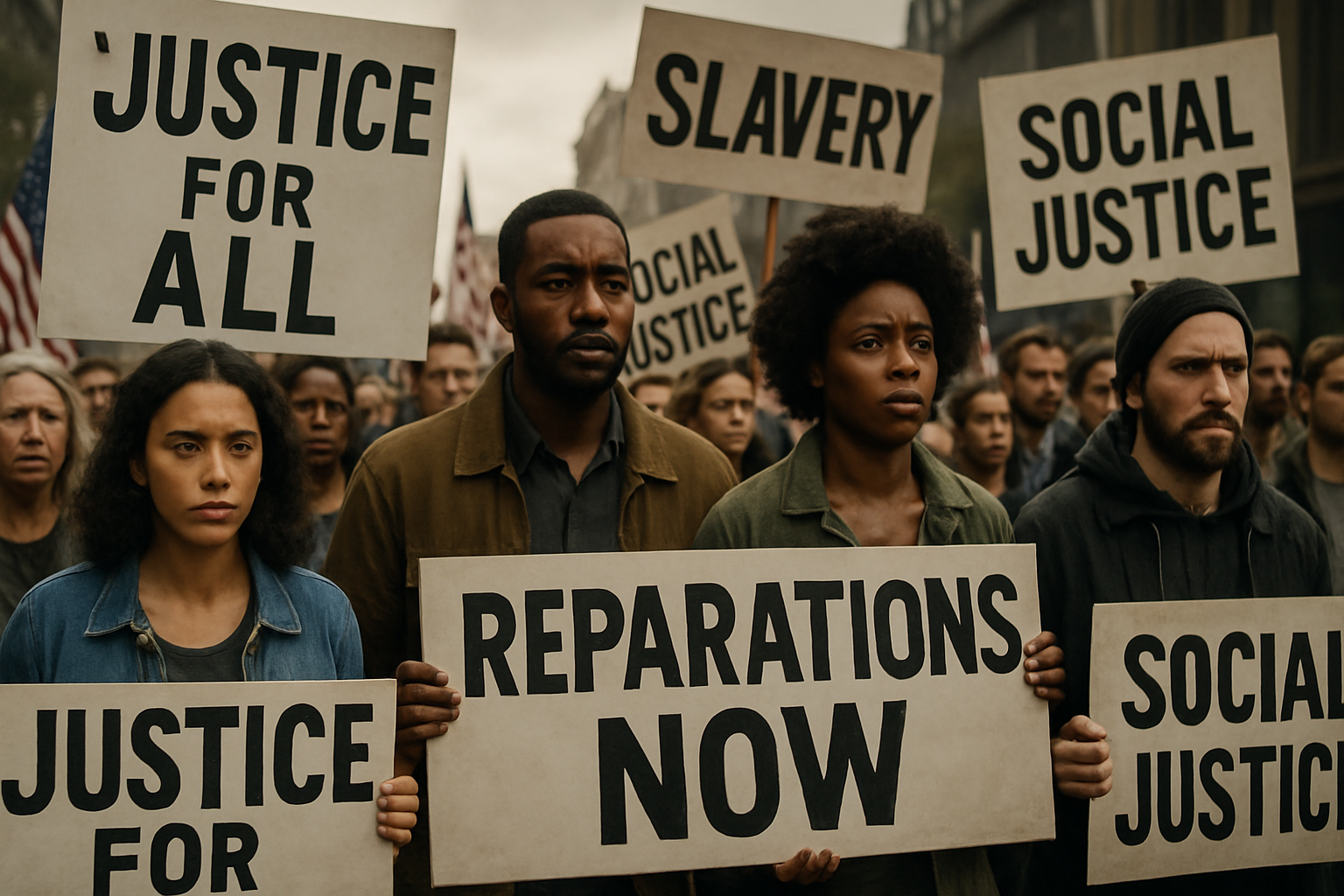
In a historic vote that sent shockwaves through international diplomatic circles, the United Nations General Assembly designated the transatlantic African slave trade as "the gravest crime against humanity" on March 25, 2026, marking the International Day of Remembrance of the Victims of Slavery and the Transatlantic Slave Trade.
The landmark resolution, led by Ghana and backed by the African Union and the Caribbean Community (Caricom), passed despite fierce opposition from the United States, Israel, and Argentina, while Britain and European Union member states abstained. The vote represents the most significant international recognition of slavery's historical impact and opens new pathways for reparations discussions worldwide.
A Watershed Moment for Historical Justice
Ghana's President John Dramani Mahama, who proposed the resolution, declared from the General Assembly podium: "Let it be recorded that when history beckoned, we did what was right for the memory of millions who suffered the indignity of slavery." The resolution explicitly calls for reparations as "a concrete step towards remedying historical wrongs" and aims for "political recognition at the highest level."
According to Al Jazeera's coverage, the resolution garnered support from across the Global South, representing a unified voice demanding acknowledgment of historical injustices that shaped modern geopolitical and economic inequalities. The Finnish delegation's response highlighted European divisions, with Finland's YLE reporting that "crimes against humanity should not be compared among themselves" - reflecting the EU's cautious stance on ranking historical atrocities.
"This resolution is not just about the past; it's about healing and creating a foundation for genuine equality in the present and future."
— African Union Representative
International Divisions and Diplomatic Tensions
The vote exposed deep fractures in international consensus on historical accountability. The United States' opposition, despite its own complex history with slavery, drew criticism from advocacy groups who have long pushed for federal reparations legislation. Israel's position sparked particular controversy given its historical emphasis on Holocaust remembrance and compensation.
Britain's abstention reflects ongoing tensions over its colonial legacy and growing domestic pressure for reparations to former colonies. The UK has faced increasing calls from Caribbean nations and African countries for acknowledgment and compensation for its central role in the Atlantic slave trade.
European Union member states' decision to abstain rather than oppose the resolution entirely suggests internal disagreements about how to address colonial histories while maintaining diplomatic relationships with affected regions.
Caribbean and African Leadership
Saint Lucia's commemoration of the International Day of Remembrance highlighted the Caribbean's continued leadership in keeping slavery's legacy in global consciousness. The island nation, like many Caribbean states, has been at the forefront of reparations advocacy, arguing that the economic foundations of European prosperity were built on enslaved African labor in their territories.
São Tomé and Príncipe's emphasis on the resolution as an "historic victory for Ghana" underscores how smaller African nations view this diplomatic achievement as validation of decades of advocacy for recognition. The coordination between the African Union and Caricom represents unprecedented unity among nations most directly affected by the slave trade.
Regional Implications for Justice Movements
The resolution's passage coincides with broader social justice movements across multiple continents. From the International Women's Day celebrations highlighting gender equality progress to ongoing human rights advocacy across diverse political contexts, the timing reflects a global moment of reckoning with historical and contemporary injustices.
The Path Forward: From Recognition to Reparations
Advocates hailed the resolution as opening new legal and political pathways for reparations claims. The formal designation as "gravest crime against humanity" provides unprecedented international legal recognition that could strengthen court cases and diplomatic negotiations for compensation.
However, the practical implementation of reparations remains complex. Questions persist about which institutions or nations would be responsible for payments, how descendants of enslaved people would be identified and compensated, and what forms reparations might take beyond financial transfers.
Legal experts suggest the resolution could strengthen existing reparations movements, including those in the United States where HR 40, legislation to study reparations for African Americans, continues to face political obstacles despite growing support.
Global Context of Human Rights Activism
The slavery reparations resolution occurs within a broader context of intensifying global human rights advocacy. Recent memory research reveals extensive documentation of social justice movements from International Women's Day celebrations to ongoing struggles for democratic accountability across multiple nations.
These movements share common themes: demands for historical acknowledgment, systemic change, and material compensation for past injustices. The slavery resolution's success suggests growing international receptivity to addressing historical wrongs, even when doing so challenges established power structures.
Opposition and Criticism
Critics of the resolution argue it oversimplifies complex historical processes and could set problematic precedents for international law. Some nations worry that ranking historical crimes could diminish attention to other atrocities or create hierarchies of suffering.
The United States' opposition reflects concerns about potential legal and financial implications, particularly given ongoing domestic debates about reparations. American officials reportedly worried the resolution could strengthen legal arguments for reparations claims in US courts.
Looking Ahead: Implementation and Impact
The resolution's immediate impact will likely be symbolic and political rather than legal. It provides moral authority and international legitimacy to reparations advocates worldwide while creating diplomatic pressure on nations with historical involvement in the slave trade.
African Union officials indicated plans to use the resolution as foundation for future negotiations with former colonial powers. Caribbean nations similarly view it as strengthening their position in ongoing discussions with European countries about reparations for slavery and colonialism.
The designation also establishes important precedent for how the international community addresses historical injustices in an era of renewed attention to colonial legacies and structural inequalities.
Significance for Contemporary Justice Movements
Beyond its specific focus on slavery, the resolution reflects broader trends in international human rights advocacy. Recent global developments demonstrate growing demands for accountability, transparency, and justice across diverse political contexts.
The success of the Ghana-led initiative shows how smaller nations can achieve significant diplomatic victories when building broad coalitions around shared historical experiences. This model may inspire similar efforts addressing other historical injustices.
As advocacy organizations and affected communities worldwide process this landmark recognition, the focus now shifts from achieving acknowledgment to implementing meaningful reparative justice. The resolution represents not an ending but a beginning of renewed international engagement with one of history's greatest moral challenges.