The Trump administration issued a one-month sanctions waiver on Friday allowing the sale of Russian oil and petroleum products already loaded at sea, despite Treasury Secretary Scott Bessent indicating just two days earlier that Washington would not renew such measures. The decision comes amid ongoing efforts to stabilize global energy prices that have surged following the Iran conflict and disruptions in the Strait of Hormuz.
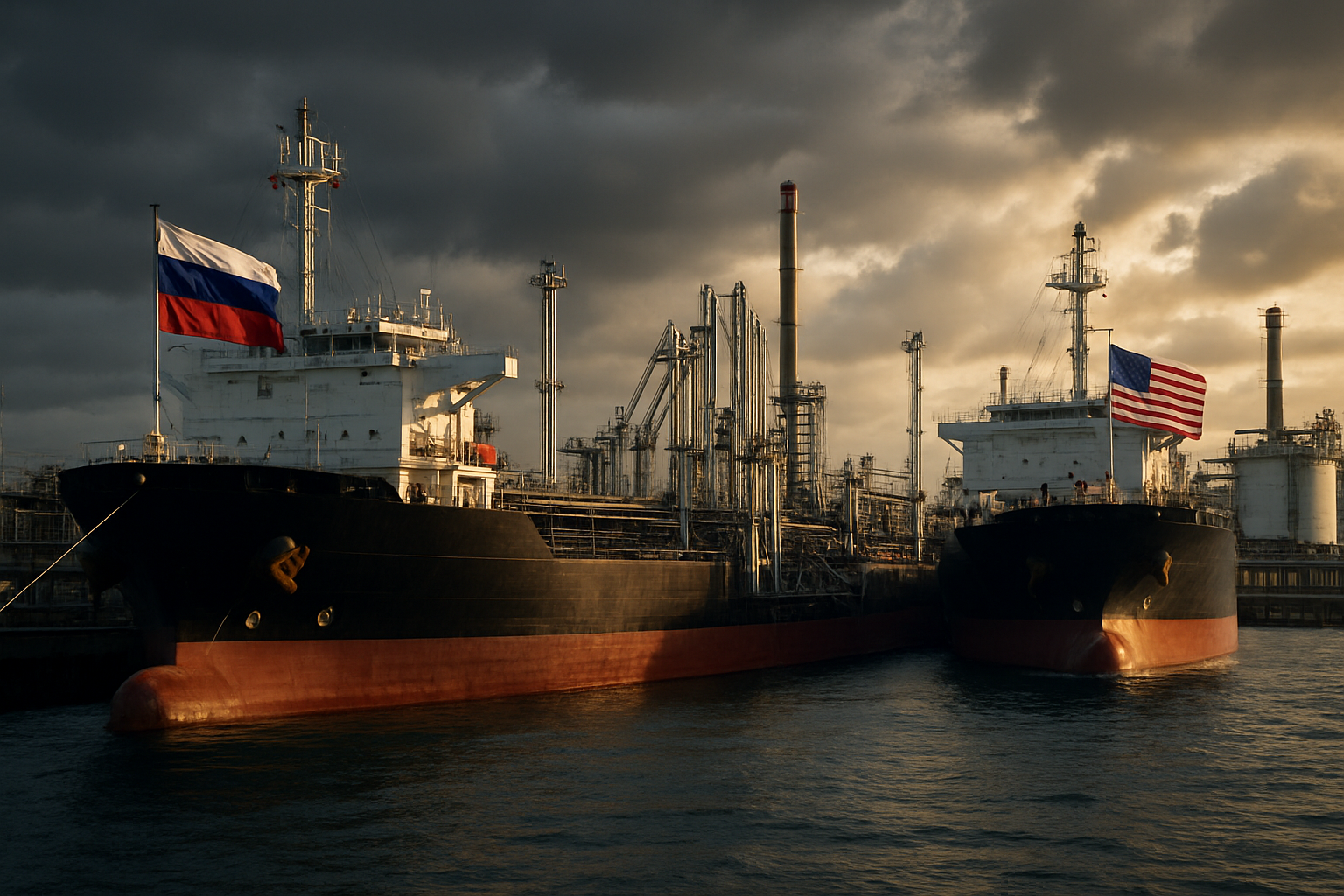
According to multiple international sources, the Treasury Department's Office of Foreign Assets Control (OFAC) published a new license permitting countries to purchase Russian oil and petroleum products loaded on vessels as of Friday through May 16. This action replaces a 30-day waiver that expired on April 11 and specifically excludes transactions involving Iran, Cuba, and North Korea.
Reversal Despite Previous Denial
The waiver extension represents a significant policy reversal from Treasury Secretary Scott Bessent's statements on Wednesday, when he ruled out renewing the exemption. The about-face highlights the administration's struggle to balance sanctions enforcement with global energy security concerns.
"The license comes two days after Treasury Secretary Scott Bessent said that Washington would not renew the waiver."
— The Moscow Times
Energy Secretary Christopher Wright has reportedly been considering lifting additional Russian oil sanctions to help stabilize global supply, with "hundreds of millions of barrels of sanctioned oil" potentially available for market stabilization.
Global Energy Crisis Context
The decision comes against the backdrop of the most severe global energy crisis since the 1970s oil shocks. Oil prices have repeatedly surged past $100 per barrel throughout 2026, with Brent crude peaking at $119.50 and WTI experiencing record jumps during the Iran conflict that effectively closed the Strait of Hormuz.
The International Energy Agency deployed its largest strategic petroleum reserve release in 50-year history—400 million barrels from 32 countries—to address supply disruptions. Japan participated with an 80 million barrel release, its first since the 2011 Fukushima disaster, while Germany and other allies contributed to the coordinated response.
Countries in Asia, suffering from the global energy shock, have pressed Washington to allow alternative supplies to reach markets. The waiver specifically permits the sale of Russian oil and petroleum products that were loaded onto vessels before the deadline, affecting over 100 million barrels according to Russian officials.
Political Opposition and Congressional Response
The extension has drawn criticism from lawmakers across the political spectrum who accuse the government of being too lenient on Moscow as the war in Ukraine continues. US representatives from both parties have expressed concern about the timing and message sent by the waiver renewal.
The decision comes as Ukrainian officials have repeatedly criticized what they see as inconsistent Western sanctions enforcement. President Volodymyr Zelensky has noted that Gulf nations used more PAC-3 missiles against Iran in recent days than Ukraine has received from the US in four years of conflict.
Implementation and Market Impact
Russian sources indicate the waiver affects significant volumes of oil, with approximately 100 million barrels potentially available under the new license. Russia has implemented a cryptocurrency payment system charging $1 per barrel for oil tankers navigating the Strait of Hormuz, circumventing traditional sanctions mechanisms.
The first ships to successfully navigate under these arrangements included the Greek-flagged NJ Earth and Liberian-registered Daytona Beach, though ship owners remain hesitant about potential stranding if the ceasefire collapses.
International Reactions and Concerns
European allies have expressed mixed reactions to the US approach. While some support measures to stabilize energy markets, others worry about the precedent set by repeated exemptions for Russian energy exports during an active conflict.
Russian officials have welcomed the decision, with one diplomat noting that "more and more countries," including the US, are recognizing the "systemic importance of Russian oil and gas for the global economy." Moscow maintains contacts with the US on economic and energy issues despite broader diplomatic tensions.
The waiver excludes transactions involving Iran, Cuba, and North Korea, maintaining broader sanctions architecture while providing targeted relief for energy markets. This selective approach reflects the administration's attempt to thread the needle between sanctions enforcement and economic stability.
Historical Context and Precedent
This marks the second major Russian oil sanctions waiver since the Ukraine conflict began. The first, issued in March 2026, was the initial easing of Russian energy sanctions following the most severe oil crisis since the 1970s. That decision also came after extensive international pressure and amid soaring global energy prices.
The pattern of sanctions waivers reflects the complex reality of global energy interdependence, even during geopolitical conflicts. Previous exemptions have typically been time-limited and designed to address acute supply disruptions rather than provide permanent relief.
Looking Forward
The one-month duration of the new waiver suggests continued uncertainty about global energy markets and the administration's sanctions approach. Energy experts note that while strategic petroleum reserves provide temporary relief, sustained supply disruptions require either diplomatic breakthroughs or fundamental changes to global energy architecture.
The decision will likely face continued political scrutiny as Congress questions the consistency of sanctions policy during ongoing conflicts. The administration maintains that such measures are necessary for global energy stability while insisting they do not represent a fundamental shift in Russia policy.
As global energy markets continue to face volatility from multiple geopolitical sources, the balance between sanctions enforcement and energy security remains a critical challenge for policymakers worldwide. The May 16 expiration date ensures this issue will return to the forefront of policy discussions within weeks.