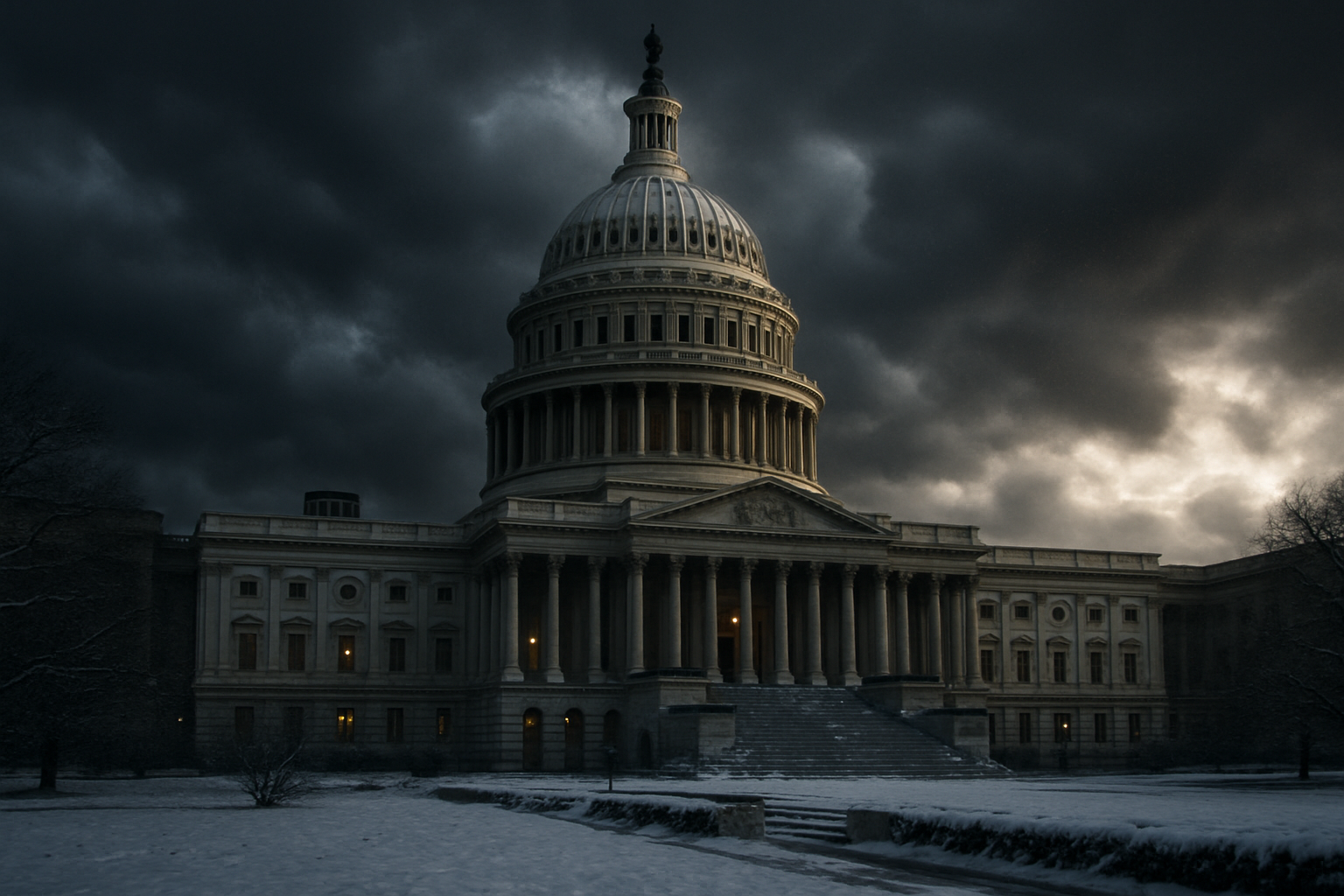
The partial US government shutdown continues into its second day as House Speaker Mike Johnson expressed confidence Sunday that he has secured the Republican votes necessary to end the impasse by Tuesday, citing logistical challenges in getting lawmakers back to Washington following severe weather disruptions.
Speaking on NBC's "Meet the Press" program, Johnson outlined his optimistic timeline while acknowledging the practical hurdles facing Congress. "I'm confident that we'll do it at least by Tuesday. We have a logistical challenge of getting everyone in town," the Louisiana Republican stated, referencing transportation problems persisting after a snowstorm that significantly affected travel across the southeastern United States.
Shutdown Triggers and Current Status
The partial government shutdown began Saturday, affecting various federal operations and services. According to German news outlet FAZ, government business has been partially halted since the weekend, marking the latest in a series of fiscal standoffs that have become increasingly common in American politics.
The shutdown comes amid broader tensions over federal spending and immigration policy, with Johnson indicating that the resolution will be tied to significant reforms in immigration enforcement. The Speaker announced that following the end of the shutdown, the House will dedicate two weeks to debating Immigration and Customs Enforcement (ICE) reforms.
Immigration Enforcement at Center of Negotiations
The timing of the shutdown coincides with heightened scrutiny of federal immigration enforcement following what Johnson described as "a national outcry over the killings of two U.S. citizens in Minnesota." This incident has sparked renewed debate about immigration policy and enforcement methods under the current administration.
Johnson's comments suggest that any deal to end the shutdown will include measures to restrain federal immigration enforcement activities. According to Canadian news reports, the Speaker has identified specific "red lines" in negotiations, particularly regarding demands that federal immigration agents wear identification badges and refrain from covering their faces during operations.
"We have to address the legitimate concerns about accountability and transparency in federal enforcement activities while maintaining effective immigration policy."
— Mike Johnson, House Speaker
Political Dynamics and Vote Count
Johnson's assertion that he has secured the necessary Republican votes represents a crucial development in what has been a challenging period for House leadership. The Speaker's confidence suggests significant behind-the-scenes negotiations have yielded commitments from previously reluctant members of his caucus.
The Republican majority in the House has faced internal divisions on various issues, making vote counting a critical aspect of any legislative strategy. Johnson's public declaration of having the votes indicates either successful persuasion of holdouts or potential compromise positions that have satisfied various factions within the party.
Weather Complications
The ongoing transportation disruptions from the southeastern snowstorm add an additional layer of complexity to the resolution timeline. Many lawmakers and staff members are struggling to return to Washington, with flight cancellations and road closures affecting travel plans across multiple states.
This logistical challenge underscores the practical realities of governing in an era of increasing extreme weather events. The storm's impact on federal operations extends beyond the shutdown itself, affecting the very ability of Congress to reconvene and address the crisis.
Broader Implications for Governance
The current shutdown highlights ongoing tensions between different approaches to federal governance and spending. While partial shutdowns have become more frequent in recent decades, each instance raises questions about the effectiveness of using government funding as a negotiating tool in policy disputes.
The connection between shutdown resolution and immigration reform negotiations demonstrates how seemingly unrelated policy areas have become intertwined in modern congressional politics. This pattern reflects the increasingly complex nature of legislative dealmaking in a polarized political environment.
International Perspective
International observers have noted the recurring nature of US government shutdowns with a mixture of concern and resignation. European media outlets, including Germany's FAZ, continue to track these developments closely, recognizing their potential impact on global economic stability and international cooperation.
The shutdown occurs during a period of heightened global tensions, potentially affecting America's ability to respond to international crises and maintain diplomatic initiatives. Foreign governments and international organizations often find their planning disrupted by the uncertainty surrounding US government operations.
Looking Ahead to Tuesday
Johnson's Tuesday deadline creates a specific target for resolution, providing both pressure and clarity for ongoing negotiations. The Speaker's confidence suggests that the fundamental disagreements have been addressed, leaving primarily procedural and logistical hurdles to overcome.
The planned two-week debate on ICE reforms following the shutdown's end indicates that immigration policy will remain a central focus of congressional activity. This timeline suggests that while the immediate crisis may be resolved, the underlying policy disputes that contributed to the shutdown will continue to require attention and negotiation.
As federal workers and affected citizens await resolution, the coming days will test both Johnson's vote-counting abilities and Congress's capacity to address complex policy challenges while maintaining essential government services. The success or failure of Tuesday's anticipated vote will likely influence future negotiations and the broader trajectory of legislative governance in the current political environment.