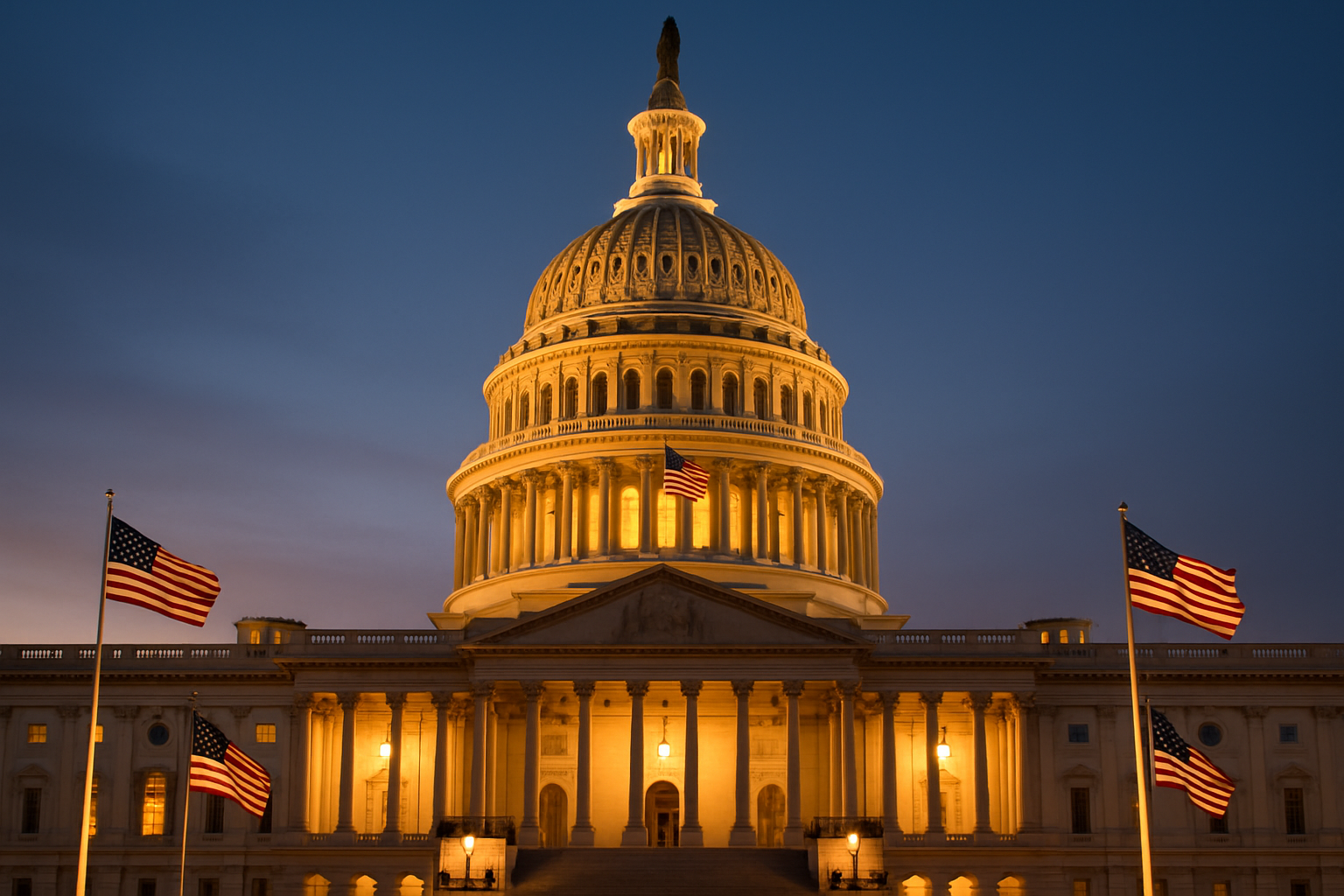
The United States government's four-day partial shutdown came to an end on Tuesday evening after the House of Representatives passed a critical spending package by a razor-thin margin of 217 to 214 votes, sending the legislation to President Donald Trump for his signature and clearing the path for the resumption of federal operations.
The bipartisan agreement, which Trump had negotiated with Senate Democrats, overcame significant opposition from both ends of the political spectrum to secure federal funding through September 2026. The narrow victory came after intense negotiations and marked a crucial test of Trump's ability to work across party lines in his second term.
The Vote and Its Immediate Aftermath
House Speaker Mike Johnson, who had expressed confidence throughout the crisis that Republicans would deliver the necessary votes, successfully guided the legislation through the chamber despite defections within his own party. Twenty-one Republicans voted against the measure, while twenty-one Democrats crossed party lines to support it, highlighting the complex political dynamics that defined the shutdown crisis.
The spending package now awaits Trump's signature, which the President has indicated he will provide promptly. Trump had previously urged Congress via Truth Social to pass the spending bill "WITHOUT DELAY" with no changes permitted, emphasizing the urgency of ending the shutdown that had begun on Saturday.
Roots of the Crisis
The government shutdown was triggered by Democratic anger over the killing of two U.S. citizens by federal immigration agents in Minneapolis. The tragic deaths of Alex Pretti and Renee Nicole Good during immigration enforcement operations sparked widespread protests and memorial sites with candles and flowers throughout the city.
Congressional Democrats had demanded accountability measures, including requirements for federal immigration agents to wear visible ID badges and prohibitions on covering their faces during operations. These demands became central to the negotiating process and contributed to the impasse that led to the shutdown.
"I hope all Republicans and Democrats will join me in supporting this Bill."
— President Donald Trump, Truth Social
Economic and Operational Impact
During the four-day shutdown, federal operations faced significant disruptions. The Labor Department was forced to delay the release of the January jobs report, originally scheduled for Friday, creating uncertainty in financial markets. The shutdown also affected various government services and raised concerns about economic stability.
International media coverage highlighted the crisis as a sign of Washington dysfunction, with outlets across Europe and Asia reporting on the political gridlock. The timing was particularly problematic given broader geopolitical tensions and ongoing diplomatic initiatives across multiple fronts.
Key Provisions and Limitations
While the spending package addresses most federal funding needs through September 2026, it contains a significant limitation that may create future challenges. The Department of Homeland Security received only short-term funding through February, setting up another potential confrontation in just two weeks.
This abbreviated funding for DHS reflects the contentious nature of immigration enforcement policies and suggests that the underlying tensions that created this crisis remain unresolved. House Speaker Johnson has announced that the House will dedicate two weeks to debating ICE reforms following the shutdown's end.
Immigration Enforcement Reforms
As part of the resolution, DHS Secretary Kristi Noem announced immediate policy changes requiring all ICE agents to wear body cameras during field operations in Minneapolis, effective February 2, 2026. This policy change directly responds to the fatal shootings that sparked the political crisis.
The body camera requirement represents a significant shift toward federal law enforcement accountability and could serve as a precedent for other cities facing similar immigration enforcement controversies. The policy comes amid broader questions about ICE operations and the balance between enforcement and civil rights protections.
Political Implications
The successful resolution of the shutdown demonstrates both Trump's negotiating abilities and the persistent challenges facing his administration's legislative agenda. The narrow vote margin and bipartisan defections highlight the delicate balance required to govern in a politically divided Washington.
For House Speaker Johnson, the vote represents a significant political victory and validation of his leadership during a crisis that could have extended indefinitely. However, the short-term DHS funding ensures that immigration policy will remain a contentious issue requiring continued negotiation.
Looking Ahead
With the immediate crisis resolved, attention now turns to the broader immigration policy debates scheduled for the coming weeks. Johnson's commitment to two weeks of ICE reform discussions suggests that Congress will attempt to address the underlying issues that led to this shutdown.
The resolution also sets up another potential funding battle when DHS funding expires in February, though lawmakers hope the intervening period will allow for more comprehensive immigration policy discussions that could prevent future shutdowns.
The four-day shutdown, while relatively brief compared to historical government closures, highlighted the ongoing challenges facing American governance in an era of heightened political polarization. The narrow path to resolution suggests that future funding battles may face similar obstacles unless broader political compromises can be achieved.