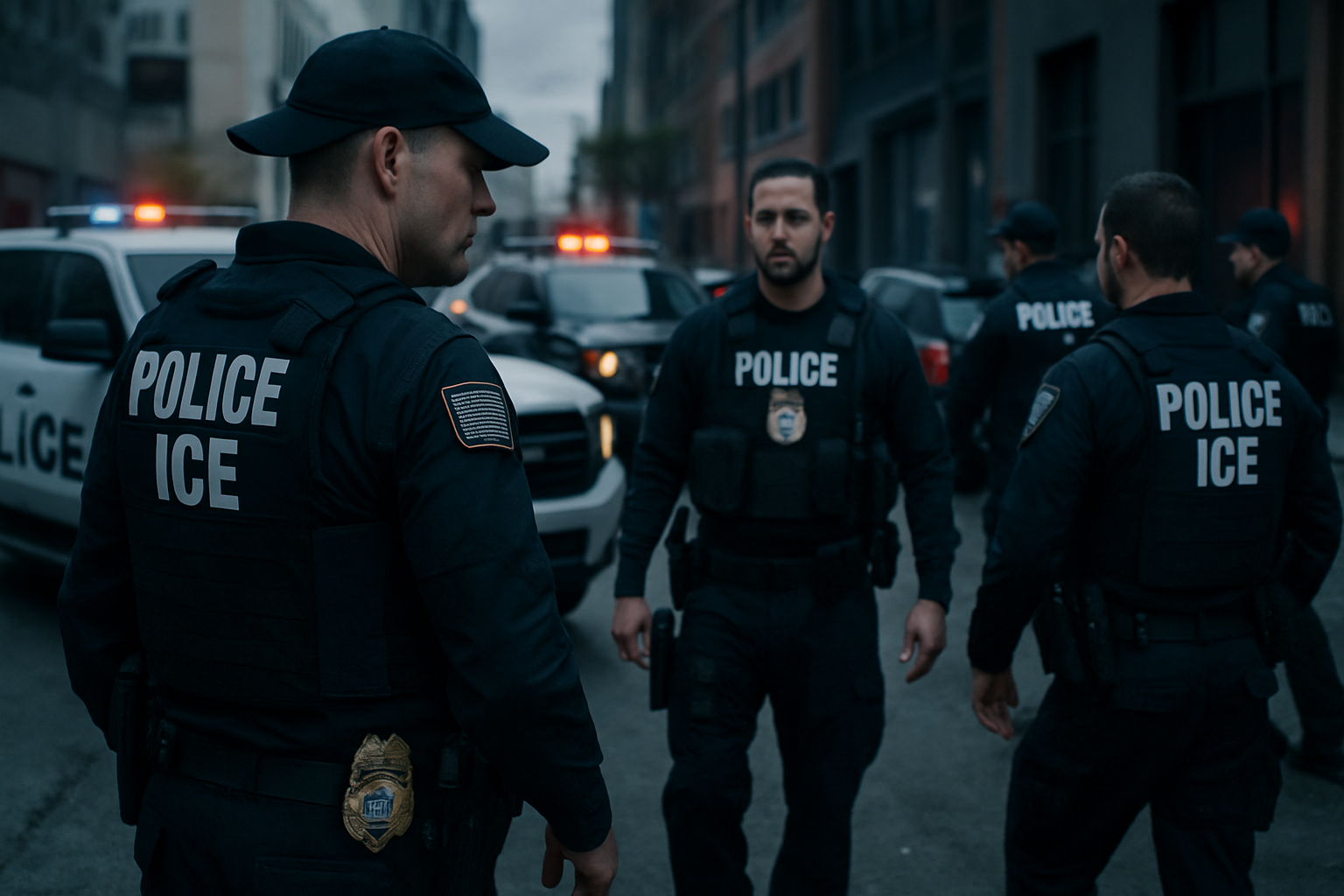
Deportations of undocumented immigrants from the US interior have quadrupled during the first nine months of President Donald Trump's second administration, driven largely by increased random arrests of undocumented individuals in public spaces, according to a new study from the University of California.
The UC Berkeley and UCLA Deportation Data Project found that deportations from inside the United States increased 4.6-fold between January and October 2025, compared to figures prior to Trump's return to office. The analysis revealed "a greater increase" in deportations than previously believed, highlighting the administration's aggressive approach to immigration enforcement.
Congressional Democrats Demand Accountability
The escalating deportation operations have sparked an unprecedented political crisis in Washington, with Congressional Democrats threatening to block funding for the Department of Homeland Security unless "drastic changes" are implemented in Immigration and Customs Enforcement (ICE) operations.
According to reports from Al Jazeera and Portuguese media outlets, Democrats are demanding comprehensive reforms to ICE and other agencies conducting immigration inspections across the United States. The standoff could potentially stymie funding bills for the Department of Homeland Security, creating uncertainty about the future of federal immigration enforcement operations.
The political confrontation follows a series of controversial incidents that have drawn international attention and prompted calls for greater accountability in federal immigration enforcement. Most notably, fatal shootings of two US citizens - Alex Pretti and Renee Nicole Good - by ICE agents in Minneapolis in January sparked widespread protests and contributed to a government shutdown earlier this month.
Guatemalan Government Reports Record Returns
The impact of intensified US enforcement operations is being felt across Central America, with Guatemala's Institute of Migration (IGM) reporting that more than 5,000 Guatemalan nationals were returned to the country during the first month of 2026 alone from the United States and Mexico.
Between January 1 and January 31, the IGM registered the return of 5,094 individuals with an average age of 24 years. Many had developed work experience and technical skills during their time abroad, having spent more than three years outside Guatemala working in various productive sectors.
The institute noted that a considerable portion of those returned had acquired "technical competencies and work skills in different productive sectors" during their stay abroad. This mass return of experienced workers represents both a humanitarian challenge for Guatemala and a significant loss of human capital for US industries that have relied on immigrant labor.
International Incident Adds to Tensions
Adding to the complex web of immigration-related incidents, two Russian women were recently arrested at a military base in California and were found to be in the US illegally, according to ICE officials. The women remain in custody pending immigration proceedings, according to TASS news agency. While details remain limited, the incident highlights the broad scope of current immigration enforcement operations.
The arrests underscore the administration's expanded approach to immigration enforcement, which now encompasses not only traditional border security but also interior enforcement operations at sensitive military installations and other federal facilities.
Policy Shifts After Minneapolis Crisis
The Trump administration has been forced to make tactical adjustments to its enforcement strategy following the Minneapolis shootings controversy. Border Czar Tom Homan announced the withdrawal of 700 federal immigration officers from Minnesota, reducing deployment from approximately 2,700-3,000 to around 2,000 agents.
The decision came after Trump acknowledged the need for a "softer touch" in immigration enforcement - a significant departure from his typically hardline stance. DHS Secretary Kristi Noem subsequently implemented mandatory body camera requirements for ICE agents operating in Minneapolis, effective February 2.
"This represents smarter law enforcement, not less law enforcement."
— Tom Homan, Border Czar
Despite these tactical adjustments in Minnesota, the administration maintains that its overall enforcement strategy remains unchanged. House Speaker Mike Johnson has scheduled two weeks of ICE reform debates following the resolution of the recent government shutdown.
Public Opinion Turns Against ICE Operations
Recent polling data from NPR, PBS News, and Marist reveals that two-thirds of Americans now believe ICE has "gone too far" in immigration enforcement, marking a significant shift in public opinion. The disapproval has increased dramatically among Democrats and independents, while Republican support for the operations remains strong.
The polling shift reflects growing concerns about the scope and methods of current immigration enforcement operations. Reports indicate that immigrant families are increasingly avoiding essential services due to fear of encounters with federal agents, while major corporations including Target face employee pressure over ICE workplace raid protocols.
Legal Challenges Mount
The administration's immigration policies face mounting legal challenges across multiple fronts. Federal Judge Ana Reyes recently blocked the termination of Temporary Protected Status for approximately 350,000 Haitians, citing discriminatory intent in the administration's decision-making process.
Additionally, civil rights organizations have filed lawsuits challenging visa suspensions affecting 75 countries, arguing that the restrictions harm thousands of legal immigrant families. An Oregon federal judge has also ruled that ICE must obtain warrants before arrests unless there is an escape risk, adding another layer of judicial oversight to enforcement operations.
Economic and Social Impact
The intensified enforcement operations are creating significant economic and social disruptions across multiple sectors. Agricultural, hospitality, and healthcare industries are reporting concerns about potential labor shortages as immigrant communities become increasingly reluctant to engage with employers or access public services.
The Mexican consulate has issued warnings to its nationals about ICE operations during major public events, including advisories about travel during Super Bowl LX in California. This represents an expansion of enforcement activities beyond traditional workplace and residential raids to include major sporting and cultural events.
Business groups are expressing growing concern about workforce disruptions, particularly in industries that have historically relied on immigrant labor. The combination of increased enforcement and worker reluctance to seek employment is creating challenges for employers across multiple economic sectors.
International Scrutiny Intensifies
The escalating immigration enforcement operations have drawn extensive international media coverage across Europe, Asia, and the Americas, highlighting tensions within the US immigration system. European media outlets are analyzing what they describe as the "export of Trumpist influence," while regional allies express concerns about the humanitarian implications of current policies.
The international attention reflects broader concerns about democratic governance and human rights, particularly following reports that immigrants are avoiding essential services such as healthcare and education due to fear of enforcement actions.
Looking Ahead
As the political battle over immigration enforcement continues, the stakes remain high for millions of immigrants and their families across the United States. The Department of Homeland Security's funding only extends through February 13, setting up another potential confrontation between the administration and Congressional Democrats over accountability measures.
The ongoing crisis represents a fundamental test of democratic oversight over federal law enforcement agencies, with implications that extend far beyond immigration policy. The outcome of current debates may establish precedents for federal accountability measures that could potentially expand to other cities and federal operations.
While the administration maintains that its enforcement strategy serves national security interests, critics argue that the current approach undermines community trust and creates humanitarian crises that contradict American values. The resolution of these competing visions will likely define immigration policy for years to come and influence America's role in global humanitarian leadership.