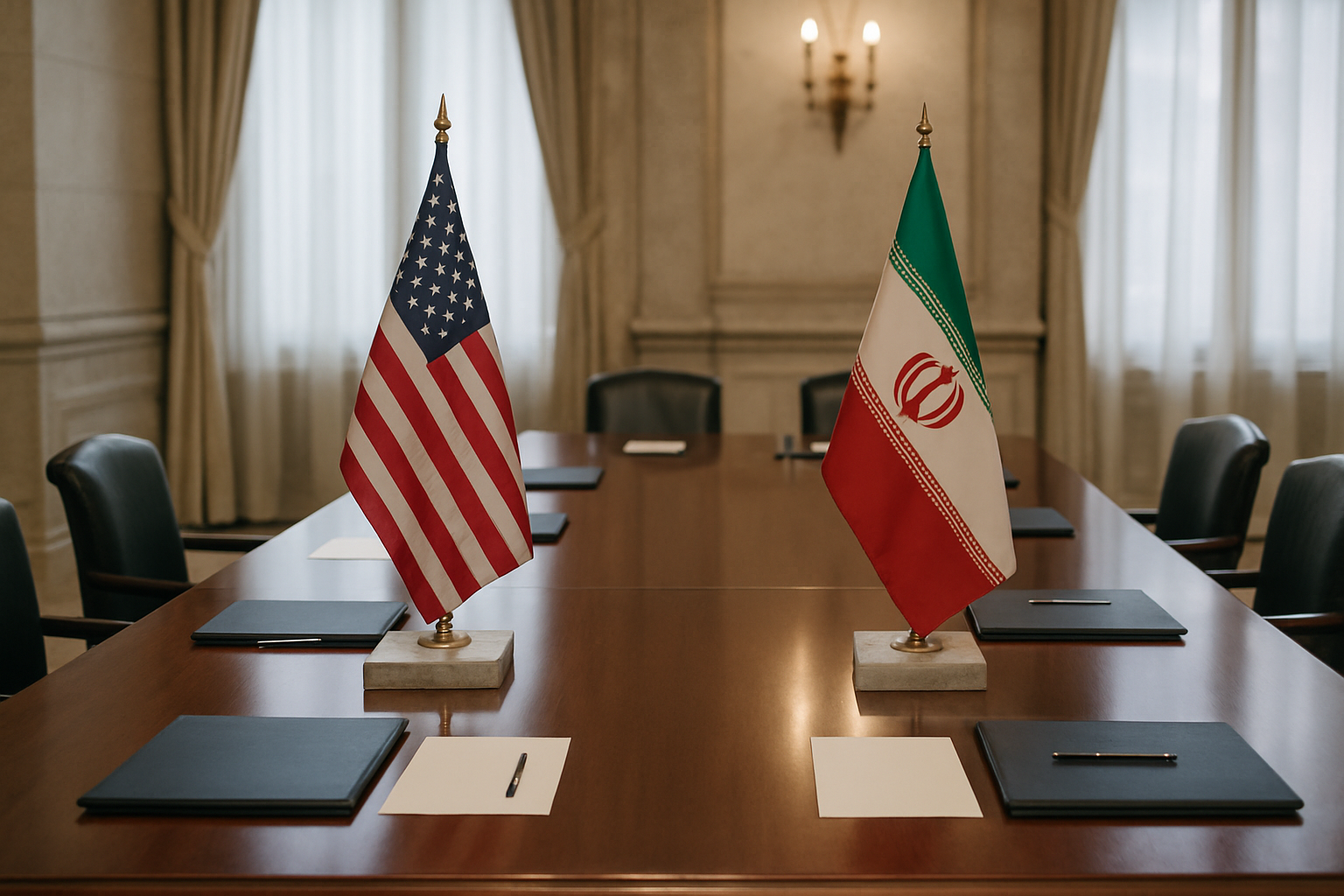
The United States has delivered a comprehensive 15-point peace proposal to Iran through diplomatic intermediaries, according to multiple international sources, representing the most significant diplomatic initiative to end the conflict that has paralyzed global energy markets and triggered the largest aviation crisis since COVID-19.
The peace plan, first reported by The New York Times and confirmed by sources across Europe and the Middle East, addresses Iran's nuclear and missile programs while proposing specific measures to normalize relations between the two nations. The proposal comes as international pressure mounts to resolve a crisis that has seen oil prices surge past $80 per barrel and forced the cancellation of over 18,000 flights worldwide.
Key Elements of the Peace Framework
According to European diplomatic sources familiar with the negotiations, the 15-point plan encompasses several critical areas of US-Iran tensions. Russian media reports indicate the proposal specifically targets Iran's missile and nuclear programs, while Spanish sources suggest it includes provisions for transforming the Strait of Hormuz into a "free maritime zone."
The timing of the proposal is particularly significant, as it follows months of escalating military tensions that culminated in what defense analysts describe as the largest US military operation in the Middle East since 2003. The deployment of dual aircraft carriers USS Gerald R. Ford and USS Abraham Lincoln represents approximately one-third of the active US Navy fleet positioned within striking distance of Iranian territory.
"The plan affects the missile and nuclear programs of the Islamic republic."
— TASS, citing diplomatic sources
Contradictory Responses to Peace Talks
The diplomatic landscape remains complex, with contradictory claims emerging from Washington and Tehran. President Trump announced a five-day postponement of strikes against Iranian power plants, claiming "very good and productive conversations" with Iran regarding a "complete and total resolution" of Middle East hostilities.
However, Iran's Fars news agency categorically denied any direct or indirect communications with the United States, calling Trump's claims "fake news." This contradiction underscores the sensitivity surrounding potential peace negotiations and the domestic political pressures facing both administrations.
Iranian officials have privately suggested that Trump's restraint may stem from warnings about potential regional retaliation targeting power plants and energy infrastructure across the Middle East. The Revolutionary Guard has maintained that "no red lines remain" in its systematic targeting of US and Israeli assets.
Regional Mediation Efforts
Pakistan has emerged as a potential mediator, with Prime Minister Shehbaz Sharif formally offering his country as a host for "meaningful and conclusive talks" between the US and Iran. This follows reports of active back-channel diplomacy involving Pakistan, Turkey, and Egypt as message relays between the adversaries.
European diplomatic sources confirm that these regional powers have established crucial communication channels, even as formal negotiations remain disputed. The Pakistani Foreign Ministry has emphasized its commitment to regional conflict resolution through dialogue rather than military solutions.

Nuclear Crisis at the Heart of Conflict
The current crisis stems from the collapse of previous diplomatic initiatives, despite what observers called significant progress in Geneva talks earlier this year. Those negotiations had achieved a "broad agreement on guiding principles" - the most substantial progress since the Joint Comprehensive Plan of Action (JCPOA) collapsed in 2018.
However, fundamental disagreements over scope proved insurmountable. Iran insisted on nuclear-only discussions while excluding ballistic missiles and regional proxy activities as "red lines." The United States, supported by Israel and European allies, demanded a comprehensive agreement addressing missiles, armed groups, and human rights concerns.
Iran continues uranium enrichment at 60% purity, approaching the 90% weapons-grade threshold, with intelligence estimates suggesting the country possesses over 400 kilograms of enriched uranium - sufficient material for multiple weapons if weaponized.
Global Economic and Security Impact
The conflict has created unprecedented disruptions to global commerce and travel. Eight Middle Eastern countries have simultaneously closed their airspace, creating what aviation experts describe as an "aviation black hole" that has severed critical Asia-Europe corridors.
Dubai International Airport, the world's busiest, remains shut due to missile damage, while major carriers including Emirates, Air France-KLM, and Wizz Air have suspended operations indefinitely. The economic costs extend far beyond aviation, with stock markets crashing worldwide and supply chains disrupted across multiple sectors.
- Oil prices surged 10% past $80/barrel
- Natural gas prices increased 24% in Europe and 78% in the US
- Over 150 tankers stranded in the Persian Gulf worth billions in cargo
- Qatar LNG production halted, affecting European gas supplies
Military Escalation and Human Costs
The conflict, designated "Operation Epic Fury" by US forces, has cost an estimated $11.3 billion in its first week, running approximately $1 billion daily. This represents the largest American military campaign since the 2003 Iraq invasion, with confirmed strikes against over 9,000 Iranian targets.
Human casualties continue mounting on multiple sides. Iranian reports suggest over 787 civilians have been killed in US-Israeli strikes, while Iran's retaliatory "Operation True Promise 4" has caused casualties across the region, including civilian deaths in the UAE, Kuwait, and Qatar.
The conflict marked several disturbing firsts: the first US submarine kill since World War II when the USS Charlotte sank an Iranian frigate, and the first attack on European territory since WWII when Iranian drones struck RAF Akrotiri in Cyprus.
International Diplomatic Efforts
The United Nations Security Council has convened multiple emergency sessions, with Secretary-General António Guterres warning of a "serious threat to international peace and security." He described the situation as the "greatest test of multilateral cooperation in the modern era."
European nations have activated unprecedented coordination mechanisms, with the UK, France, Germany, and Poland issuing urgent travel advisories for the Middle East. Multiple countries have ordered immediate evacuations of their nationals from Iran, citing "extremely uncertain" security conditions.
The crisis occurs against the backdrop of broader nuclear governance challenges. The New START treaty between the US and Russia expired in February 2026, leaving the world without bilateral nuclear constraints between the two largest nuclear powers for the first time in over 50 years.
Looking Ahead: Window for Peace?
Despite the contradictory claims about negotiations, the five-day postponement of military strikes creates a narrow diplomatic window. Revolutionary Guard officials have warned of "surprises" and "special plans" in coming days, suggesting the window for peaceful resolution may be rapidly closing.
The success or failure of the 15-point peace proposal will likely determine whether this crisis serves as a template for 21st-century conflict resolution or accelerates military solutions that could reshape Middle Eastern geopolitics for decades.
"Due to situation around Iran, there are still no necessary signals for trilateral meeting"
— Ukrainian President Volodymyr Zelensky, on postponed peace talks
The international community faces a critical test of diplomatic innovation versus military escalation, with implications extending far beyond the immediate region. As Chinese analysts note, fundamental ceasefire conditions remain unmet, making any breakthrough challenging despite the apparent diplomatic activity surrounding the mysterious 15-point plan.
The coming days will determine whether this represents a genuine opportunity for peace or merely another false dawn in one of the most dangerous international crises since the end of the Cold War.