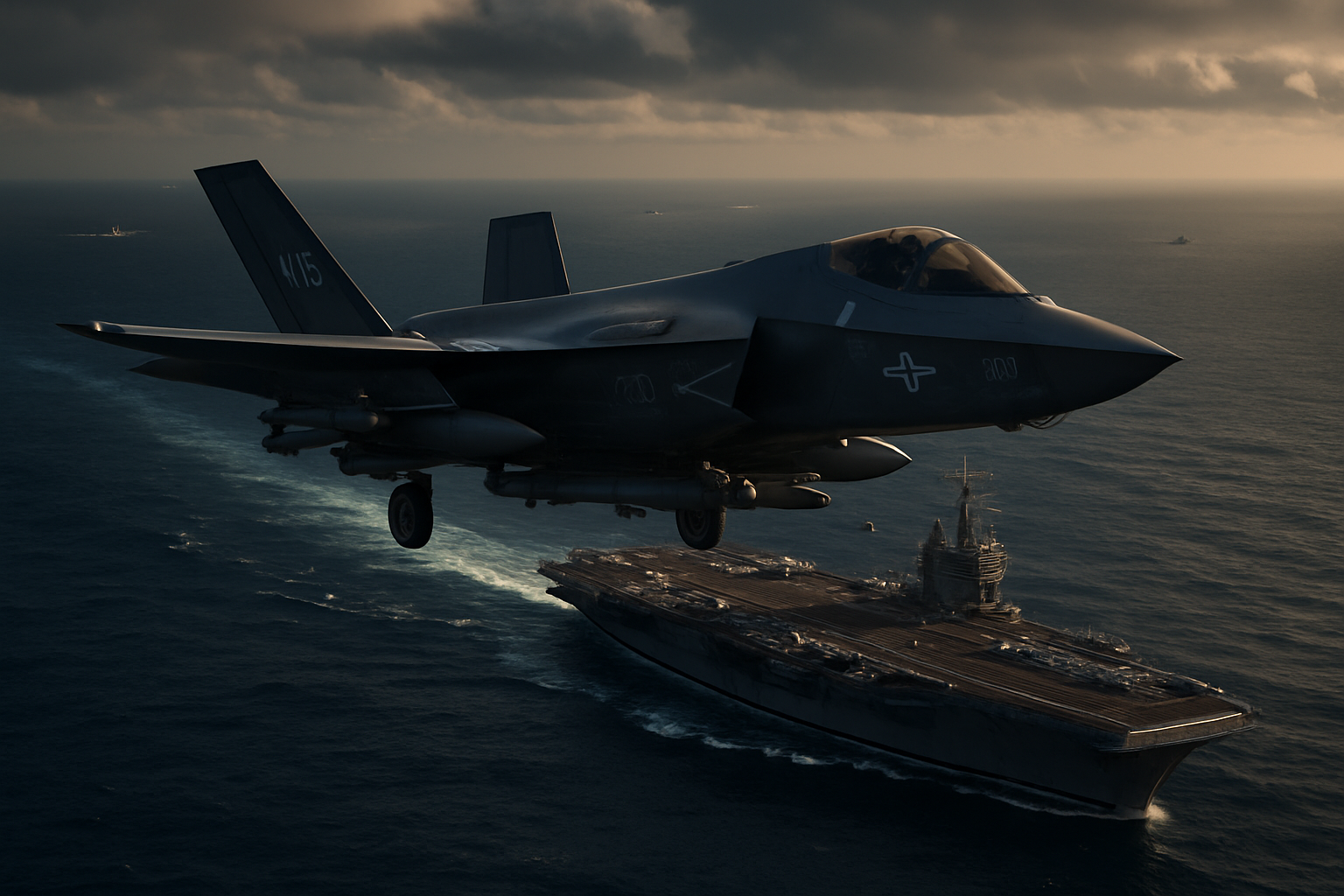
A US F-35C fighter jet from the USS Abraham Lincoln aircraft carrier shot down an Iranian Shahed-139 drone that "aggressively" approached the vessel in the Arabian Sea on Tuesday, marking the most significant military confrontation between the two nations as diplomatic talks are set to begin Friday in Turkey.
The incident occurred approximately 500 miles from Iran's southern coast as the carrier group was transiting the Arabian Sea, according to Navy Captain Tim Hawkins, a spokesperson for US Central Command. The Iranian drone was flying toward the carrier "with unclear intent" and was destroyed in what officials described as an act of self-defense.
"An F-35C fighter jet from Abraham Lincoln shot down the Iranian drone in self-defense and to protect the aircraft carrier and personnel on board," Captain Hawkins confirmed. No US casualties or equipment damage were reported from the encounter.
Coordinated Maritime Provocations
The drone incident was followed hours later by a separate confrontation in the strategic Strait of Hormuz, where two Iranian Revolutionary Guard Corps (IRGC) gunboats approached a US-flagged tanker and threatened to board and seize the vessel. This dual escalation demonstrates Iran's willingness to test US resolve across multiple maritime domains simultaneously.
Oil futures prices rose more than $1 per barrel following news of the drone shootdown, reflecting market concerns about potential disruption to energy supplies through the world's most critical petroleum shipping lane. The Strait of Hormuz handles approximately 20% of global oil transit.
Nuclear Diplomacy Under Pressure
The military escalation comes just three days before scheduled nuclear negotiations between US Special Envoy Steve Witkoff and Iranian Foreign Minister Abbas Araghchi in Istanbul on Friday. The talks represent the first major diplomatic engagement between the two nations since the collapse of the Joint Comprehensive Plan of Action (JCPOA) in 2018.
Iranian President Masoud Pezeshkian officially ordered the nuclear negotiations following what he described as requests from "friendly regional countries." However, he set conditions that the talks must be "free of threats and unreasonable expectations" - a demand that appears increasingly difficult to maintain given Tuesday's military confrontation.
"We are negotiating with them right now. The plan is that they're talking to us, and we'll see if we can do something. Otherwise, we'll see what happens."
— President Donald Trump
President Trump has maintained cautious optimism about reaching a diplomatic solution while warning that "bad things" would probably happen if negotiations fail. The positioning of US naval assets near Iran adds credibility to these warnings while providing leverage for American negotiators.
Regional Powers Support Diplomacy
Turkey is serving as the primary venue for the nuclear talks, with the UAE positioned as an alternative location. Multiple regional powers including Saudi Arabia, Egypt, and Qatar are supporting the diplomatic process, reflecting broader Middle Eastern consensus on preventing military escalation.
Pakistan's Foreign Office confirmed it has been invited to participate in the Iran-US talks, adding another layer of regional involvement in the negotiations. This expanded participation suggests the talks may address broader regional security concerns beyond just nuclear issues.
However, Iran has reportedly requested a change of venue and seeks to modify the talks' agenda following the Persian Gulf tensions, according to Pakistani sources. Tehran officials want negotiations to focus exclusively on nuclear matters, while the US seeks a broader agreement covering missile programs and proxy activities.
Historical Context and Stakes
The current crisis builds on months of escalating tensions following Iran's violent crackdown on anti-government protests, which resulted in over 42,000 arrests and more than 6,800 deaths according to Human Rights Activists News Agency (HRANA). The EU's designation of the IRGC as a terrorist organization prompted Iran to reciprocally declare all European military forces as terrorist groups.
Iran's Supreme Leader Ayatollah Ali Khamenei has previously warned that any US attack on Iran would trigger a "regional war," raising the stakes for both military and diplomatic engagement. The IRGC claims to have "action plans for hostile scenarios," while continuing naval exercises in the Strait of Hormuz with live-fire drills.
Iran's Tasnim news agency reported that connection had been lost with a drone in international waters, but claimed the reason was unknown - a typical response that avoids acknowledging direct military confrontation while maintaining plausible deniability.
Economic and Strategic Implications
The incident highlights the vulnerability of global energy markets to Middle Eastern tensions. Iran controls significant oil reserves and, along with regional allies, could potentially disrupt maritime traffic through the Strait of Hormuz in response to military pressure.
The timing of Tuesday's confrontations - occurring during extreme winter weather that has killed over 110 people in North America and driven natural gas prices up 24% in Europe - adds economic urgency to preventing further regional instability.
For Iran, the nuclear talks represent an opportunity to secure sanctions relief amid severe economic pressure from years of maximum pressure policies. However, the regime faces the challenge of negotiating from a position of domestic weakness while maintaining credibility with hardline constituencies.
Looking Ahead to Friday's Talks
Despite Tuesday's military confrontation, both Washington and Tehran have confirmed that Friday's nuclear talks remain scheduled. The White House emphasized that diplomatic engagement continues despite the skirmishes, while Iranian officials maintain they are prepared for "fair and equitable" negotiations.
The success of the talks may depend on both sides' ability to compartmentalize military incidents from diplomatic progress. Historical precedent suggests that such confrontations can either derail negotiations entirely or create urgency that facilitates breakthrough agreements.
Regional stakeholders including Turkey, Saudi Arabia, and other Gulf states have significant investments in preventing escalation, providing external pressure for diplomatic success. The involvement of multiple mediating powers increases the chances for continued dialogue even if initial talks encounter difficulties.
As both nations maintain military readiness while pursuing diplomatic solutions, Friday's meeting in Istanbul will test whether the shared interest in avoiding regional war can overcome decades of mistrust and current military tensions. The stakes extend far beyond bilateral relations to encompass Middle Eastern stability and global energy security.