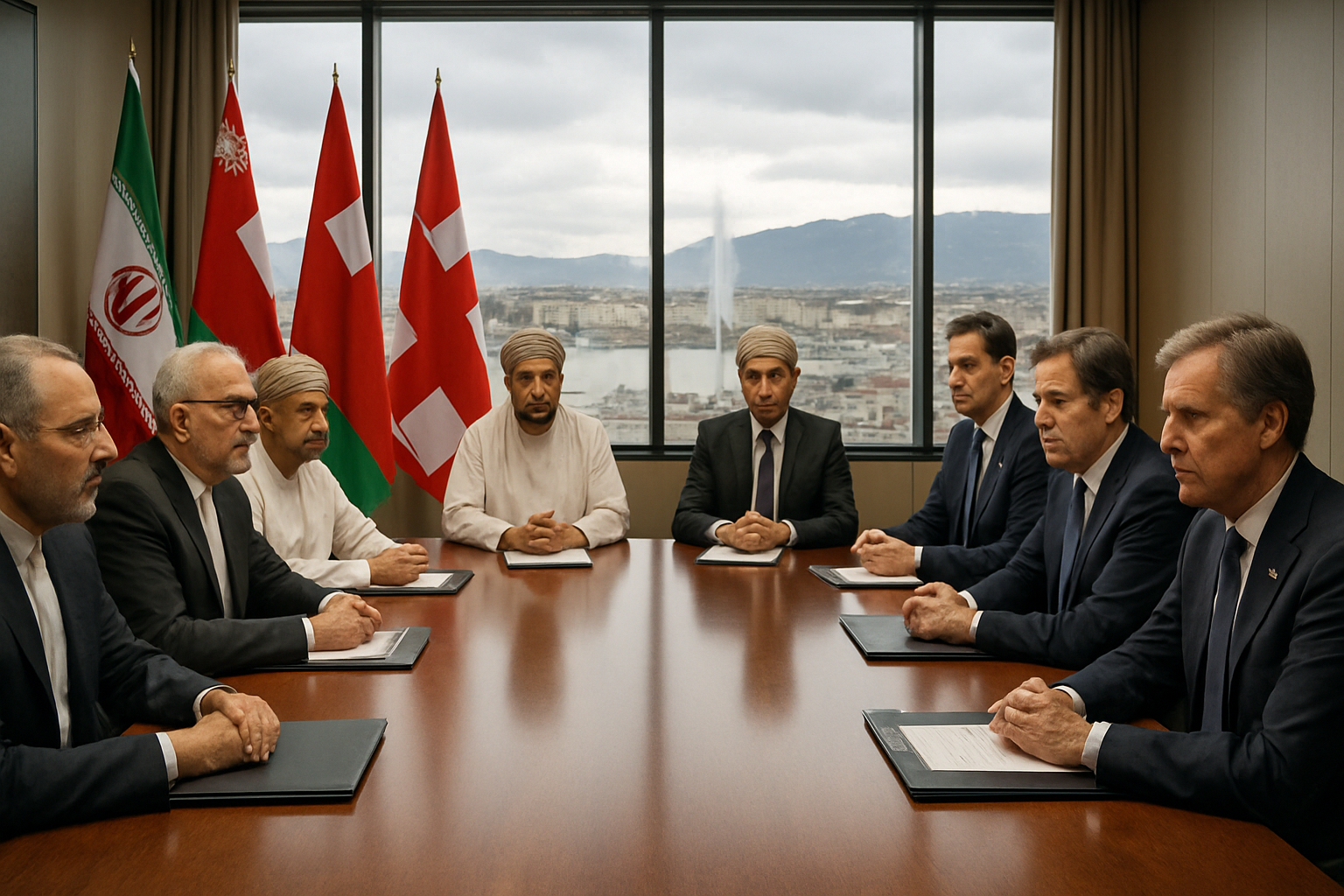
The third round of indirect nuclear negotiations between Iran and the United States concluded in Geneva on Thursday with Oman's Foreign Minister Badr al-Busaidi announcing "significant progress," setting the stage for crucial technical discussions in Vienna next week amid the most serious diplomatic effort to resolve the nuclear crisis since the 2018 collapse of the JCPOA.
Iranian Foreign Minister Abbas Araghchi described the latest round as achieving meaningful advancement on key issues, building upon previous rounds that established "broad agreement on guiding principles" according to Iranian officials. The talks, mediated by Oman with Swiss support, represent a dramatic escalation in diplomatic engagement between the two adversaries who have maintained no formal diplomatic relations for decades.
Geneva Framework Breakthrough
The Geneva talks marked a significant evolution from earlier rounds held in Muscat, Oman, with the venue change to European neutral territory signaling growing international investment in a diplomatic solution. Switzerland's official support for the process, combined with Oman's continued mediation role, demonstrates unprecedented regional and international momentum behind the negotiations.
Multiple diplomatic sources confirm that the parties made substantial progress on the framework for addressing Iran's nuclear program, though fundamental disagreements persist over the scope and implementation of any potential agreement. The talks focused intensively on verification mechanisms, sanctions relief timelines, and Iran's uranium enrichment capabilities.
Critical Nuclear Status
Iran currently maintains uranium enrichment at 60% purity, significantly exceeding the 3.67% limit established under the 2015 Joint Comprehensive Plan of Action (JCPOA) and approaching the 90% threshold required for weapons-grade material. Intelligence assessments indicate Iran possesses sufficient enriched uranium to produce multiple nuclear weapons if a decision were made to weaponize.
Despite diplomatic progress, Iranian officials maintain their position that uranium enrichment represents an "inalienable right" under international law. Araghchi has consistently declared that Iran would "never abandon enrichment even if war imposed," though Iranian President Masoud Pezeshkian's declaration that Iran is "open to verification" suggests potential flexibility on monitoring and oversight mechanisms.
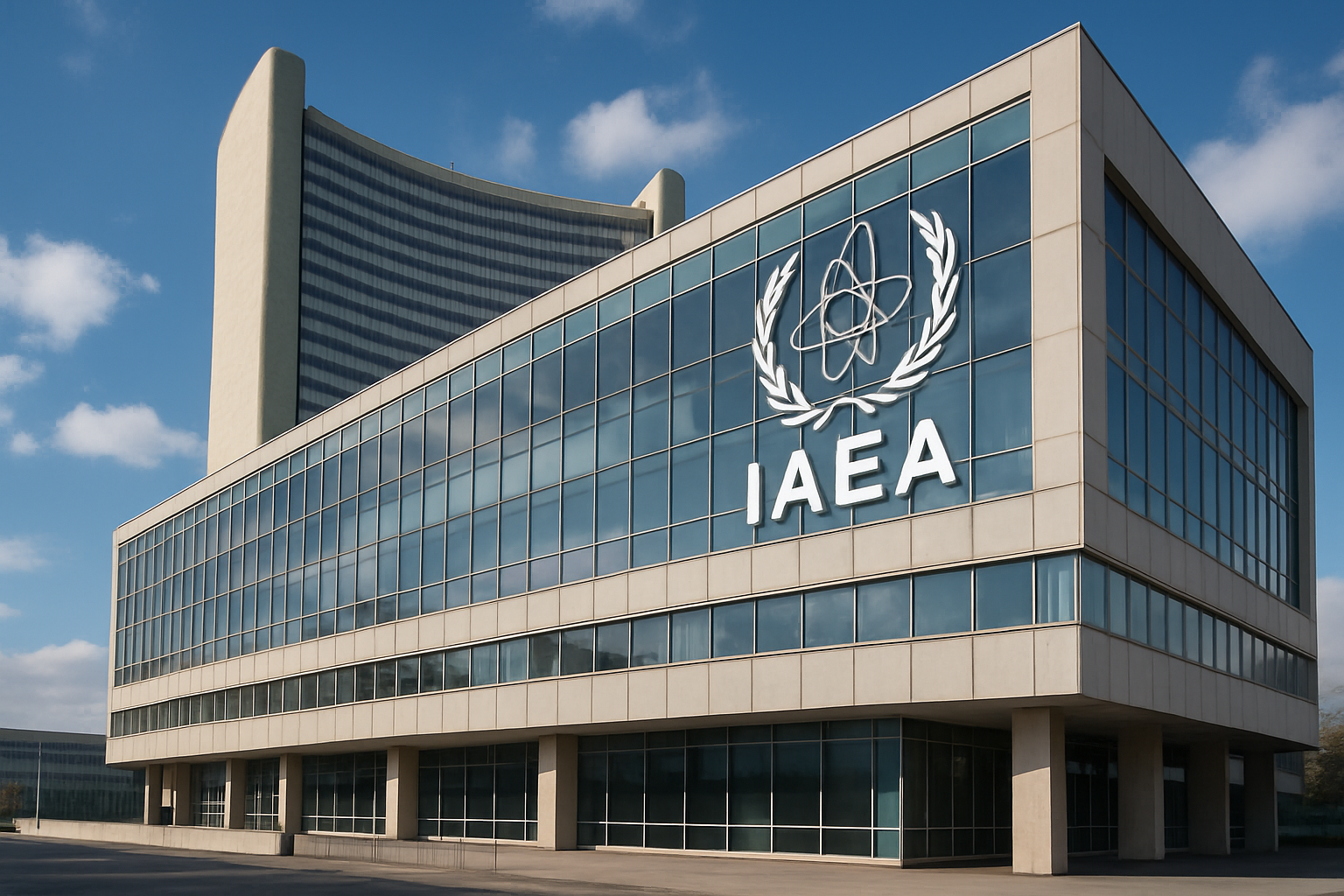
Technical discussions in Vienna will focus on practical implementation of verification protocols, with the International Atomic Energy Agency (IAEA) headquarters serving as the venue for detailed negotiations on monitoring Iran's nuclear facilities. IAEA inspections have been suspended since November 2025, creating urgent pressure for restoration of international oversight.
Fundamental Scope Disagreement
The most significant obstacle to a comprehensive agreement remains the fundamental disagreement over negotiation scope. Iran maintains that ballistic missiles and regional proxy activities represent "red lines" that must be excluded from nuclear-focused talks, demanding compartmentalized negotiations that address only uranium enrichment and sanctions relief.
Conversely, US Secretary of State Marco Rubio has insisted that any meaningful agreement must address Iran's missile capabilities, support for armed regional groups, and human rights violations as part of a comprehensive framework. This structural disagreement has prevented breakthrough attempts for over a decade since the JCPOA's collapse in 2018.
"We cannot accept a nuclear-only agreement that ignores the broader threat matrix posed by Iran's ballistic missile program and proxy network across the region."
— Marco Rubio, US Secretary of State
Unprecedented Military Tensions
The diplomatic progress occurs against a backdrop of unprecedented military escalation, with the United States deploying dual aircraft carrier strike groups—USS Gerald R. Ford and USS Abraham Lincoln—creating the largest American naval presence in the Middle East since the 2003 Iraq invasion. This deployment represents approximately one-third of the active US Navy fleet concentrated 800 kilometers from Iran's coast.
Recent military incidents have heightened tensions even as diplomacy continues. US F-35C fighter jets shot down an Iranian Shahed-139 drone near the USS Abraham Lincoln, while Iran's Revolutionary Guard Corps (IRGC) vessels have repeatedly harassed US-flagged tankers in the Strait of Hormuz, through which 40% of global oil transits.
Oil markets have responded to the tensions with prices rising over $1 per barrel, reflecting global concern about potential supply disruptions in the Persian Gulf. The strategic waterway's vulnerability underscores the massive economic stakes involved in preventing military confrontation through successful diplomacy.
Regional Coalition Support
Perhaps most remarkably, the diplomatic process has garnered unprecedented support from major regional powers traditionally divided on Middle Eastern issues. Saudi Arabia, the United Arab Emirates, Qatar, and Egypt have all endorsed the negotiation framework—representing extraordinary consensus among Middle Eastern states typically aligned on opposing sides.
This regional coalition reflects shared concerns about the consequences of military confrontation for energy markets and regional stability. The Persian Gulf's role as a critical energy transit route creates powerful economic incentives for preventing conflict escalation through diplomatic resolution.
Oman's mediation role proves essential, leveraging the sultanate's historical neutrality and successful facilitation of the original 2015 JCPOA negotiations. Sultan Haitham bin Tariq's government has maintained diplomatic relations with both Washington and Tehran, providing crucial communication channels during periods of heightened tension.
Israeli Security Coordination
Israeli Prime Minister Benjamin Netanyahu's coordination with the Trump administration has established clear red lines for any potential agreement. Multiple high-level meetings have emphasized Israeli requirements that any nuclear deal must include "limiting ballistic missiles and ending Iranian axis support" for regional proxy groups including Hezbollah, Hamas, and the Houthis.
Israel views nuclear-only frameworks as insufficient to address existential security threats posed by Iran's integrated missile and proxy network. The Israeli position adds complexity to US negotiating positions, as any agreement must address Israeli security concerns to maintain regional stability and prevent unilateral military action.
Domestic Pressures and Human Rights
Iran faces severe domestic pressure with over 42,000 arrests since the 2022 protests, creating regime survival imperatives for sanctions relief. However, the government's priorities remain focused on maintaining nuclear capabilities over economic accommodation, as demonstrated by the recent sentencing of Nobel Peace Prize laureate Narges Mohammadi to additional prison time during the negotiations.
The Trump administration faces parallel pressures from Republican hawks who view engagement as appeasement versus foreign policy achievement needs. Balancing maximum pressure campaigns—including threatened 25% tariffs on Iran-trading countries—with diplomatic engagement tests the administration's dual-track approach.
International Nuclear Governance Crisis
The Iran nuclear negotiations occur within a broader crisis of international nuclear governance. The New START treaty between the United States and Russia expired on February 5, 2026—marking the first time in over 50 years without US-Russia nuclear constraints. Combined with China's nuclear expansion and broader arms control breakdown, the Iranian crisis represents a critical test of 21st-century diplomatic mechanisms for preventing proliferation.
UN Secretary-General António Guterres has warned that nuclear risks are at their "highest level in decades," adding urgency to successful resolution of the Iranian nuclear crisis. Success could provide a diplomatic template for nuclear crisis resolution, while failure might accelerate military solutions with global implications for nuclear governance credibility.
Technical Challenges and Vienna Phase
The Vienna technical discussions face unprecedented verification challenges due to Iran's advanced nuclear infrastructure developed since 2018. Sophisticated centrifuge technology, expanded facilities, and 60% enrichment capabilities require monitoring mechanisms far exceeding the original JCPOA's complexity.
Intelligence reports suggest potential Iranian concessions including a three-year uranium enrichment halt and stockpile transfer to Russia, though hardline statements from Iranian officials cast doubt on the political will for such compromises. The technical phase will determine whether Geneva's framework progress can translate into implementable agreements.
Strategic Stakes and Global Implications
The strategic implications of these negotiations extend far beyond regional security to encompass global energy markets, nuclear governance credibility, and international law enforcement mechanisms. Success could prevent a regional war with devastating consequences for worldwide economic stability, while providing a diplomatic precedent for resolving nuclear proliferation crises in an increasingly multipolar world.
Failure, conversely, might accelerate military confrontation options with consequences reshaping Middle Eastern geopolitics for decades. Such an outcome could encourage nuclear proliferation elsewhere while undermining diplomatic credibility for resolving territorial and security disputes globally.
The Persian Gulf's role in global energy security—handling 40% of oil transit—means that regional stability affects supply chains and economic conditions far beyond the immediate region. Natural gas prices have already increased 24% in Europe and 78% in the United States due to geopolitical tensions, demonstrating the global economic stakes involved.
Coming Vienna Phase: Template for the Future
As negotiations move to Vienna for technical discussions, the international community watches closely for signs of genuine breakthrough versus continued deadlock. The framework established in Geneva represents meaningful progress in creating structured dialogue mechanisms despite fundamental disagreements that have persisted for over a decade.
The Vienna phase will test whether innovative compromise solutions can bridge longstanding disagreements over uranium enrichment, verification protocols, sanctions relief, and negotiation scope. Success requires unprecedented diplomatic creativity to address legitimate security concerns while preventing proliferation risks.
This diplomatic effort represents a template-setting moment for international crisis resolution in the 21st century, testing whether sustained engagement backed by deterrence can produce breakthrough solutions for seemingly intractable conflicts. The stakes encompass not only regional war prevention but the credibility of diplomatic mechanisms for addressing nuclear proliferation challenges in an era of great power competition.
As technical teams prepare for Vienna discussions next week, the world awaits determination of whether this diplomatic window can produce the innovative solutions necessary to prevent military confrontation while addressing the legitimate security concerns of all parties involved in this decades-long crisis.