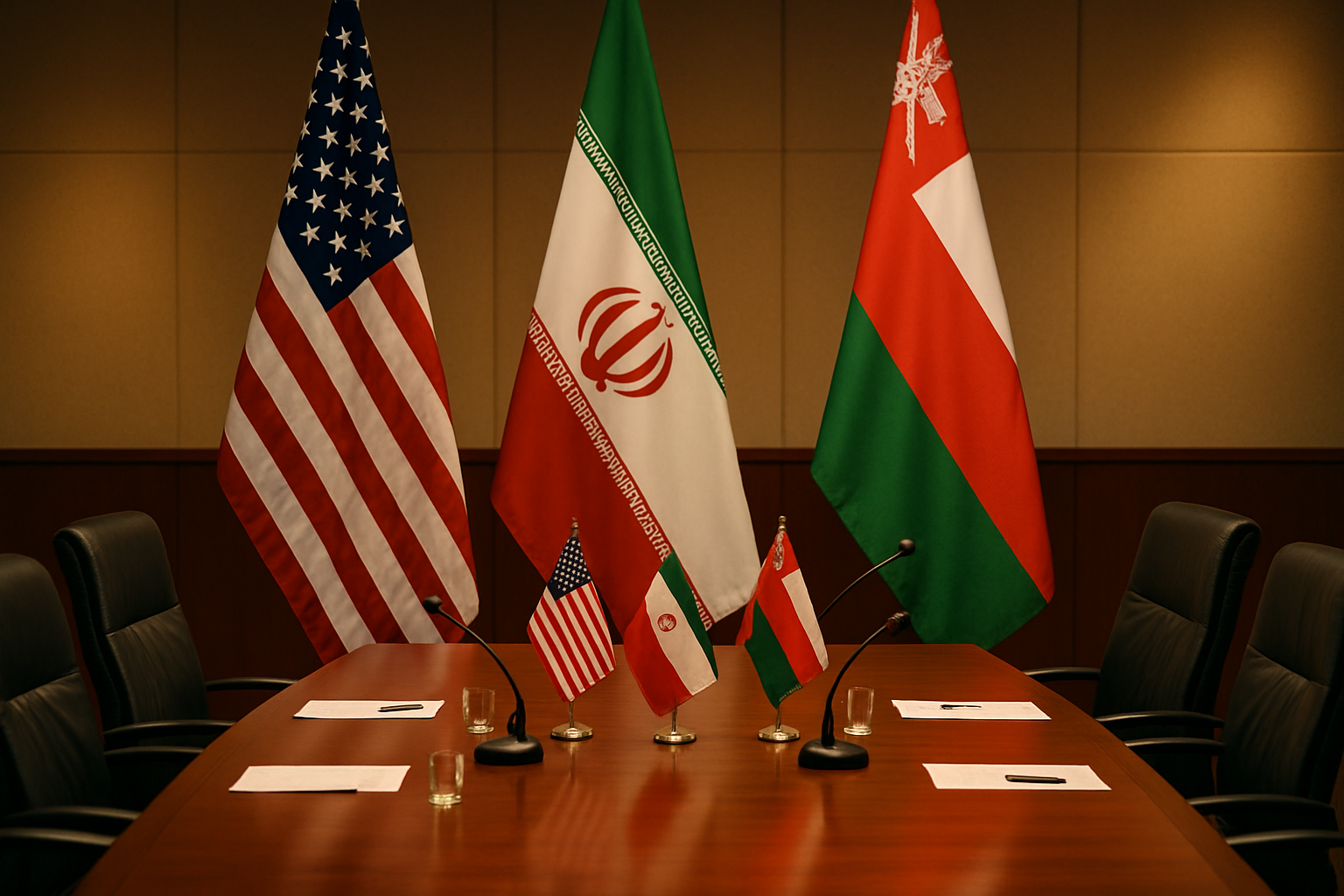
Iran and the United States concluded their first major nuclear negotiations since 2018 on Friday in Muscat, Oman, with both sides expressing cautious optimism about continuing diplomatic engagement despite fundamental disagreements over the scope of discussions and Iran's nuclear program.
The talks, mediated by Omani officials, marked the most significant diplomatic contact between the two nations since the collapse of the Joint Comprehensive Plan of Action (JCPOA) in 2018. Iranian Foreign Minister Abbas Araghchi described the negotiations as a "good start" that could "have good continuation," while US Special Envoy Steve Witkoff confirmed both sides agreed to maintain the diplomatic path forward.
Historic Negotiations Amid Regional Tensions
The negotiations occurred against a backdrop of heightened military tensions in the Persian Gulf. Just days before the talks, a US F-35C fighter jet from the USS Abraham Lincoln shot down an Iranian Shahed-139 drone in the Arabian Sea after it aggressively approached the carrier approximately 800 kilometers from Iran's coast. On the same day, Islamic Revolutionary Guard Corps vessels harassed the US-flagged tanker Stena Imperative in the Strait of Hormuz, causing oil prices to rise over $1 per barrel.
The choice of Oman as the venue proved strategically significant. Iran specifically requested the location change from Istanbul to Muscat to limit discussions exclusively to nuclear issues, excluding ballistic missiles and regional proxy activities as Iranian "red lines." This represented a crucial concession to Iranian demands but created immediate friction with US objectives.
Fundamental Scope Disagreements Persist
The most significant obstacle to progress emerged from fundamental disagreements over the talks' scope. Iran maintained its position that discussions should focus solely on nuclear matters, with Foreign Minister Araghchi stating that "any dialogue requires refraining from threats and pressure" and that Tehran "only discusses its nuclear issue... We do not discuss any other issue with the US."
In contrast, US Secretary of State Marco Rubio has insisted that any comprehensive agreement must address Iran's ballistic missile program, support for armed groups throughout the region, and "treatment of their own people." This expanded agenda represents a significant departure from the nuclear-focused JCPOA framework and threatens to complicate future negotiations.
"If the United States continues with this approach, we can reach the formation of a framework of negotiations in the next conversations."
— Abbas Araghchi, Iranian Foreign Minister
Nuclear Status and Potential Concessions
Iran's nuclear program has advanced significantly since the US withdrawal from the JCPOA in 2018. The country is currently enriching uranium at 60% purity, far exceeding the 3.67% limit established under the original agreement and approaching the 90% threshold considered weapons-grade. This technical progress has created both urgency and complexity for any future agreement.
Reports suggest Iran may be considering substantial concessions, including a potential three-year halt to uranium enrichment and the transfer of existing stockpiles to a third country, likely Russia. Such measures would represent a significant rollback from Iran's current nuclear capabilities but would require extensive verification mechanisms that don't exist under current international frameworks.
The talks occurred following devastating US-Israeli strikes on Iranian nuclear facilities in June 2025, which significantly damaged the country's nuclear infrastructure. However, Iran has demonstrated remarkable resilience in rebuilding its capabilities, making the current negotiations even more critical for preventing further escalation.
Regional and International Context
The negotiations benefit from unprecedented regional support, with Saudi Arabia, the United Arab Emirates, Qatar, and Egypt all endorsing the diplomatic process. This remarkable Middle Eastern consensus reflects widespread concerns about the potential for regional war if diplomatic solutions fail. The Persian Gulf serves as a transit route for approximately 40% of global oil shipments, making regional stability crucial for international energy markets.
Oman's role as mediator proved essential, building on the sultanate's successful facilitation of the original JCPOA negotiations in 2015. The country's historical neutrality and diplomatic expertise in managing complex regional conflicts made it an ideal venue for such sensitive discussions.
The timing of the talks coincided with other significant diplomatic initiatives, including Ukraine-Russia-US trilateral peace negotiations in Abu Dhabi and the expiration of the New START nuclear treaty between the United States and Russia. This confluence of nuclear diplomacy underscores the broader challenges facing global arms control regimes.
Domestic Pressures on Both Sides
Both nations face significant domestic pressures that could affect future negotiations. Iran is experiencing severe economic hardship from international sanctions, with over 42,000 protesters arrested during recent demonstrations according to human rights organizations. The economic crisis has created regime survival imperatives that could incentivize sanctions relief through diplomatic means.
The Trump administration faces pressure from Republican hawks who view engagement with Iran as appeasement, while simultaneously seeking foreign policy victories that demonstrate diplomatic effectiveness. This dual pressure creates both opportunities and constraints for US negotiators in future rounds.
Iran's leadership emphasized the "atmosphere of distrust" that exists after "eight turbulent months" and the 12-day war with Israel, acknowledging that overcoming this skepticism represents a major obstacle to substantial progress. Supreme Leader Ali Khamenei's apparent backing of the negotiations provides crucial political legitimacy within Iran's complex decision-making structure.
Immediate Challenges and Future Prospects
Despite the positive rhetoric from both sides, significant challenges remain. The US announcement of new sanctions targeting 14 vessels immediately after the talks concluded undermined the diplomatic atmosphere and raised questions about Washington's commitment to engagement. Iranian officials criticized the timing as counterproductive to building trust.
The verification challenges for any future agreement are unprecedented. Unlike the original JCPOA, negotiators must now address advanced centrifuge technology, sophisticated enrichment capabilities, and expanded regional military presence that didn't exist during previous negotiations. These technical complexities will require innovative solutions and extensive international cooperation.
Military preparations continue on both sides despite diplomatic engagement. The USS Abraham Lincoln carrier group remains deployed in the region, while Iran has conducted naval exercises in the Strait of Hormuz with live-fire drills. This military posturing reflects limited confidence in purely diplomatic solutions while maintaining deterrent capabilities.
Strategic Implications for Regional Stability
The success or failure of these negotiations carries enormous implications for Middle Eastern stability and global nuclear governance. A diplomatic breakthrough could prevent a military confrontation that many experts believe could escalate into a regional war involving multiple countries and threatening global energy supplies.
Failure to reach an agreement may accelerate military solutions that could destabilize the entire Persian Gulf region. Israeli officials have expressed concerns about incomplete agreements that fail to address Iran's missile capabilities and support for regional proxy groups, potentially leading to unilateral military action.
The negotiations also serve as a test case for whether diplomatic engagement can resolve nuclear proliferation crises in an era of great power competition. Success could provide a template for addressing other nuclear challenges, while failure might encourage more countries to pursue nuclear capabilities as deterrents.
Next Steps and International Monitoring
Both sides have committed to continuing negotiations, though no specific timeline has been announced. The establishment of a bilateral consultation process suggests that future meetings will be arranged through diplomatic channels rather than rigid schedules, allowing for flexibility in addressing emerging issues.
International partners will play crucial roles in any eventual agreement. The European Union, which maintained its support for the JCPOA despite US withdrawal, could provide essential technical expertise and financial mechanisms for sanctions relief. Russia and China, as original JCPOA signatories, would need to participate in verification and implementation processes.
The international community faces the challenge of supporting diplomatic progress while maintaining pressure for meaningful concessions from Iran. This delicate balance requires coordinated policies that encourage negotiation while deterring nuclear proliferation.
As negotiators prepare for future rounds, the fundamental question remains whether innovative diplomatic solutions can bridge the gap between Iran's demand for nuclear-only discussions and America's insistence on comprehensive agreements addressing missiles, proxies, and human rights. The answer will likely determine whether the Middle East moves toward stability through diplomacy or faces an unprecedented military confrontation with global implications.
The talks represent both the promise and peril of nuclear diplomacy in the 21st century, where technical complexity, regional rivalries, and domestic politics intersect to create challenges that require unprecedented international cooperation and political will to resolve.