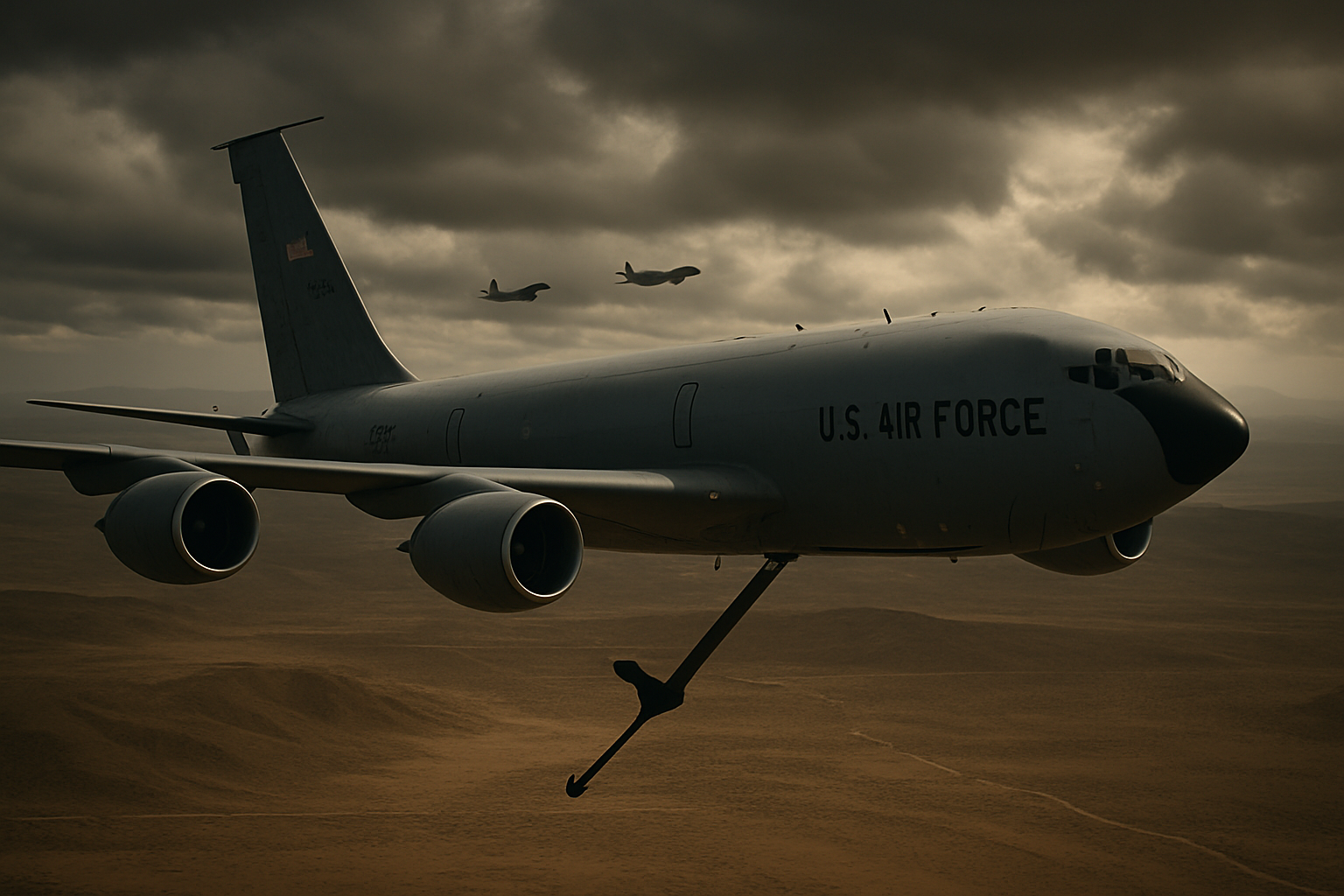
All six crew members aboard a US military KC-135 Stratotanker refueling aircraft were confirmed killed when the plane crashed in western Iraq on Thursday, March 13, 2026, according to official confirmation from US Central Command. The tragic incident represents one of the deadliest military aviation losses during ongoing Operation Epic Fury operations in the Middle East.
The Boeing KC-135 Stratotanker, a workhorse of US aerial refueling operations for over six decades, went down in what CENTCOM initially described as an incident involving another aircraft. The second aircraft involved in the incident managed to land safely, providing crucial witness testimony for the ongoing investigation.
Official Response and Investigation
US Central Command emphasized that the crash was "not due to hostile fire or friendly fire" but occurred during routine refueling operations in what officials termed "friendly airspace" in western Iraq. This clarification came as Iranian proxy groups claimed responsibility for downing the aircraft, assertions that military officials categorically rejected.
The Pentagon has launched a comprehensive military investigation focusing on mechanical failure, weather conditions, and operational factors since hostile action has been ruled out. The crash site's challenging terrain and complex security environment in western Iraq have complicated rescue and recovery efforts, though search and rescue teams were immediately deployed following the incident.
"Major combat operations continue and our responsive actions are ongoing. We can confirm that all six crew members aboard the aircraft have been recovered, and we are working with their families during this difficult time."
— US Central Command Spokesperson
Aircraft and Operational Context
The KC-135 Stratotanker has served as the backbone of US aerial refueling capabilities since its introduction in the 1950s. These aircraft are critical enablers for extended-range operations, allowing fighter jets and bombers to operate far from home bases—a capability essential to US military operations in the volatile Middle Eastern theater.
Israeli media published photographs of a damaged KC-135 that landed safely at Ben Gurion Airport following the incident, showing significant damage to the aircraft's tail section. Markings identified the aircraft as belonging to the 940th Air Refueling Wing from Beale Air Force Base in California, part of the Air Force Reserve Command.
The KC-135 typically operates with a minimum crew of three: a pilot, co-pilot, and boom operator responsible for controlling the aircraft's refueling arm. However, depending on the mission, the crew can include additional personnel such as navigators or maintenance specialists.
Regional Security Environment
The crash occurred during Operation Epic Fury, ongoing US military operations amid heightened Middle East tensions. Western Iraq presents a challenging security environment where multiple powers compete for influence and proxy conflicts threaten regional stability. The area has been particularly volatile during recent months as US forces conduct operations while managing complex regional dynamics.
This incident adds to the operational risks facing US forces in the region, where aging aircraft fleets averaging over 60 years of service face ongoing maintenance challenges. The KC-135 fleet, while extensively modernized over the decades, represents one of the oldest aircraft types in active US military service.
Impact on Operations
The loss significantly impacts US aerial refueling capabilities in the region, affecting the operational range and effectiveness of American air operations. These aircraft serve as critical enablers for sustained military campaigns, allowing operations far from established bases and extending mission duration for combat aircraft.
Military officials indicate that while the loss represents a tactical setback, other KC-135 aircraft in the theater continue to support ongoing operations. The incident underscores the persistent risks associated with military aviation in challenging operational environments.
Honoring the Fallen
The identities of the six fallen service members are being withheld pending family notification, following standard military protocol. The loss represents a somber reminder of the risks undertaken by US military personnel serving in volatile regions around the world.
The crash marks the latest in a series of military aviation incidents during ongoing Middle East operations, highlighting the complex operational challenges facing US forces in the region. Each incident undergoes thorough investigation to identify lessons learned and prevent future occurrences.
As the investigation continues, military officials stress their commitment to transparency while maintaining operational security considerations. The findings will likely influence future operational procedures and safety protocols for KC-135 operations in challenging environments.
Historical Context
Military aviation accidents during overseas operations have unfortunately been a recurring concern throughout US military history. The demanding operational tempo, challenging environmental conditions, and aging aircraft fleets contribute to inherent risks that military aviation personnel accept as part of their service.
The KC-135 Stratotanker fleet has an overall strong safety record despite its age, testament to the skill of aircrews and maintenance personnel who keep these aircraft operational. However, the complex nature of aerial refueling operations, particularly in contested environments, presents unique challenges that require constant vigilance and training.
This tragic incident serves as a stark reminder of the sacrifices made by military personnel and the inherent risks of military aviation operations, particularly during periods of heightened regional tensions. The investigation's findings will be crucial for preventing similar tragedies and honoring the memory of those who gave their lives in service to their country.