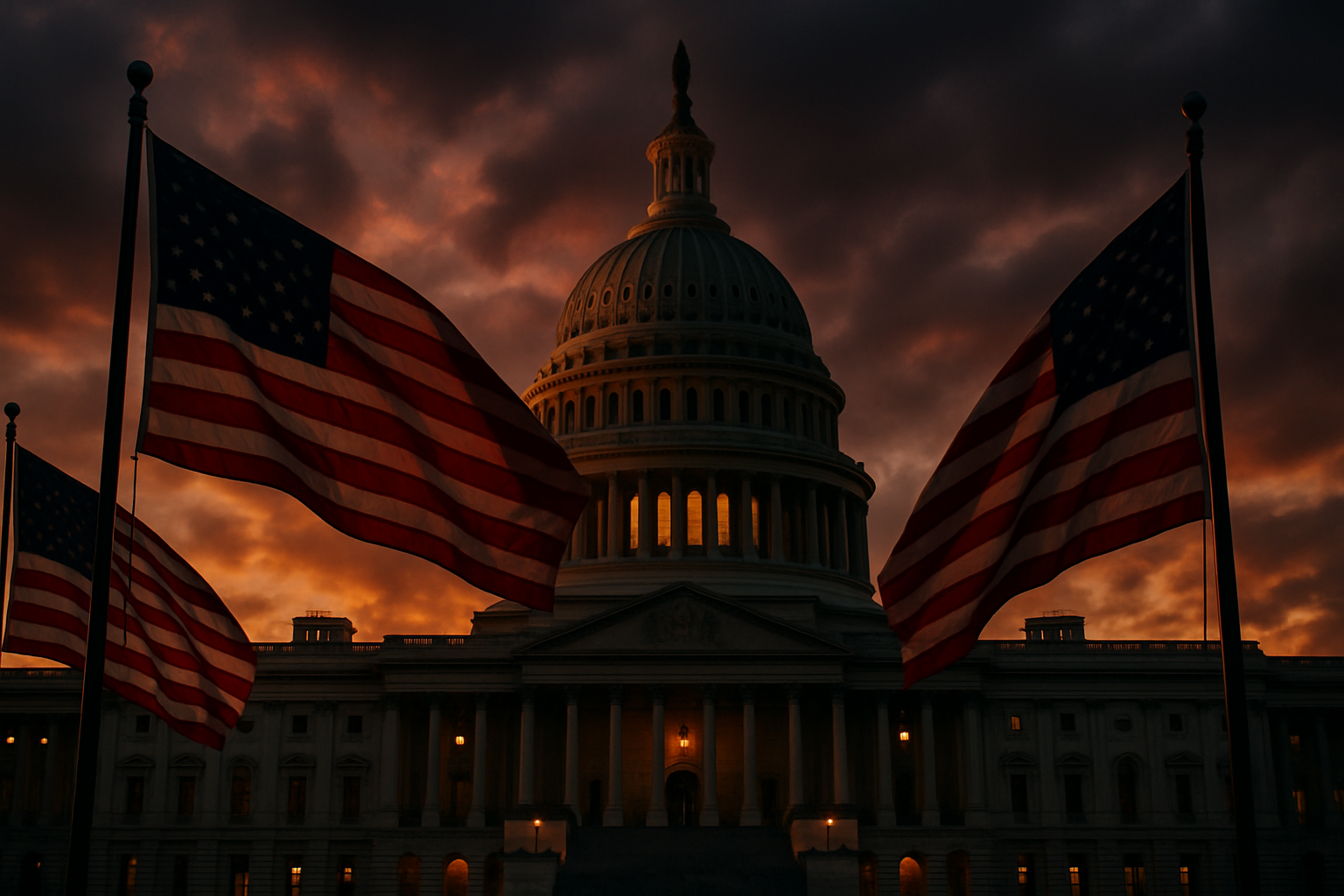
The Trump administration finds itself navigating unprecedented political turbulence as April 2026 unfolds, with the First Lady's unexpected comments about Jeffrey Epstein, mounting congressional pressure for presidential cognitive testing, and former Vice President Kamala Harris signaling her intention to run again in 2028.
Melania's Epstein Bombshell Rocks Washington
In what political observers are calling the "biggest mystery in Washington," First Lady Melania Trump has suddenly thrust the Jeffrey Epstein scandal back into the national spotlight. According to multiple international sources, her unexpected comments have "reawakened the Epstein saga just when it seemed to have died off."
The timing has puzzled political analysts across the globe, with Irish Times coverage noting that "the most valuable disseminators of the US president's message have turned on him." The development comes as the administration faces mounting pressure on multiple fronts, creating what some describe as a "MAGA mutiny against Trump" during a critical period for American foreign policy.
Congressional Democrats Demand Cognitive Assessment
Representative Jamie Raskin, one of the most prominent Democrats in Congress, has written directly to White House physician Sean Barbabella demanding that President Trump undergo cognitive testing. The letter represents an escalation in Democratic concerns about the president's mental acuity.
"Experts have repeatedly warned that the President has been exhibiting signs consistent with dementia and cognitive decline."
— Representative Jamie Raskin, to White House Doctor
This unprecedented request comes amid broader questions about Trump's fitness for office, particularly as the administration manages complex international crises including ongoing tensions with Iran and diplomatic negotiations globally.
Harris Signals 2028 Presidential Ambitions
Adding another layer to America's political upheaval, former Vice President Kamala Harris has publicly indicated she is "thinking about" running for president again in 2028. When asked directly at an event, Harris responded: "Listen, I might, I might. I'm thinking about it."
Harris emphasized her executive experience, stating: "I served for four years, being a heartbeat away from the presidency of the United States. I spent countless hours in my West Wing office, footsteps away from the Oval Office. I spent countless hours in the Oval Office, in the Situation Room. I know what the job is. And I know what it requires."
The potential candidacy signals Democratic confidence in challenging whatever Republican emerges from the Trump era, while also highlighting ongoing concerns about the current administration's direction.
Trump's Grandiose Washington Monument Plans
Amid the political turmoil, the Trump administration has unveiled plans for what the president calls "the GREATEST and MOST BEAUTIFUL Triumphal Arch, anywhere in the World." The proposed structure would feature a towering winged figure flanked by two eagles and guarded by four lions, representing one of the most ambitious architectural projects proposed for the nation's capital.
The monument announcement has drawn mixed reactions, with critics questioning the timing and appropriateness of such grand gestures during a period of domestic and international challenges.
Congressional Tributes and Political Transitions
The political landscape has also been marked by the passing of former Congressman Eliot Engel at age 79. AIPAC eulogized the Jewish lawmaker as a "steadfast friend of the pro-Israel community," while fellow New York Democrats remembered him as a "great champion of the Bronx." Engel's defeat in his final election had been seen as auguring a surge in anti-Israel sentiment within Democratic ranks.
International Implications and Peace Efforts
The domestic political crisis unfolds as Trump projects "cautious optimism" ahead of crucial Iran talks scheduled in Islamabad. Speaking before boarding Air Force One, the president referenced his negotiating team: "We'll see how it turns out. So it's JD and Steve and Jared. We have a good team, and they meet tomorrow. We'll see how it all works out."
The delicate nature of these negotiations, combined with domestic political pressures, creates a complex dynamic that could influence America's standing on the global stage.
Trump's International Endorsements Draw Controversy
Adding to the administration's challenges, Trump's promise to provide economic assistance to Hungary if Viktor Orbán wins upcoming parliamentary elections has raised questions about appropriate diplomatic conduct. The president declared that his "administration will use its full power" to strengthen Hungary's economy if the current prime minister emerges victorious.
This level of direct intervention in a European Union member state's elections represents a departure from traditional American diplomatic neutrality and has drawn criticism from international observers.
The MAGA Movement's Internal Struggles
Perhaps most significantly for Trump's political future, reports suggest growing discord within his core support network. The Irish Times characterizes the current situation as an "Iran war hastening MAGA mutiny against Trump," suggesting that even his most loyal supporters are beginning to question the administration's direction.
This internal pressure, combined with external challenges from Congress, the courts, and international partners, presents the most serious political crisis the Trump administration has faced in its current term.
Looking Ahead: A Presidency Under Siege
As April 2026 progresses, the Trump administration faces an unprecedented convergence of challenges. The Epstein controversy reignited by the First Lady, congressional demands for cognitive testing, Harris's 2028 ambitions, grandiose monument plans, and international diplomatic complexities create a perfect storm of political pressure.
The administration's ability to navigate these challenges while maintaining effective governance will likely determine its legacy and influence the broader trajectory of American politics. With midterm elections on the horizon and 2028 presidential positioning already beginning, the stakes could not be higher for American democracy.
The coming weeks will test whether traditional democratic institutions can function effectively under such intense political pressure, and whether the American system can successfully manage the complex intersection of domestic politics and international responsibilities that defines modern governance.