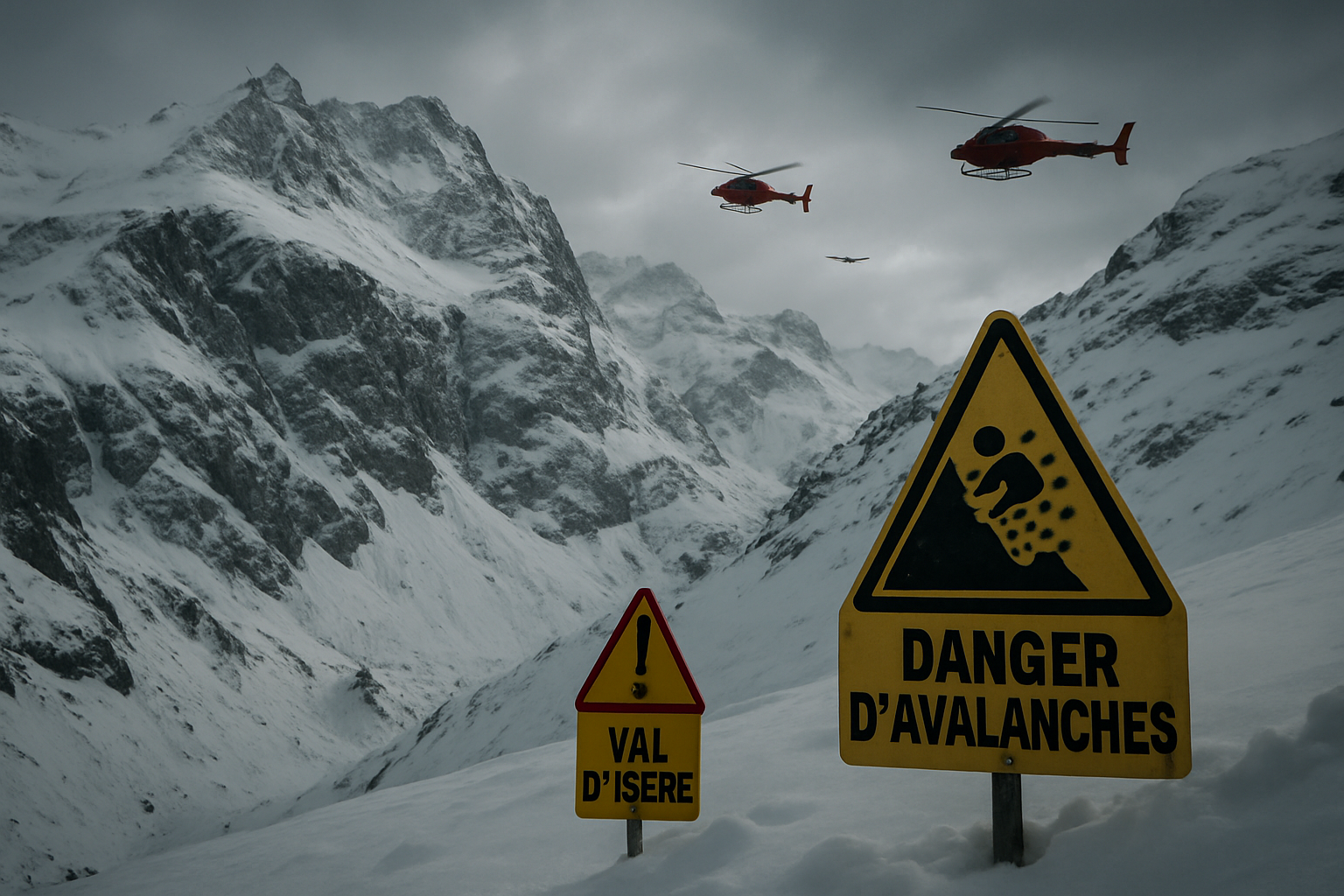
Three skiers, including two British nationals, were killed in an avalanche at the prestigious Val d'Isère ski resort in the French Alps on Friday February 13, bringing France's avalanche death toll this season to 25.
The tragic incident occurred when a group of five skiers, accompanied by an instructor, were skiing off-piste in the popular Alpine resort near the Italian border. The avalanche struck during what meteorologists have described as one of Europe's most dangerous winter seasons in decades.
Victims and Rescue Operation
According to multiple international sources, the fatalities included two British skiers and one French national. The group had been participating in off-piste skiing with a qualified instructor when the avalanche occurred, highlighting the unpredictable nature of mountain conditions even under professional supervision.
Emergency services responded immediately to the incident, with rescue teams working to locate and extract all members of the skiing party. Two additional skiers from the group survived the avalanche and were not seriously injured.
Val d'Isère, located in the Tarentaise Valley of Savoie, is one of France's most prestigious ski destinations, attracting thousands of international visitors annually for its challenging terrain and reliable snow conditions.
Deadly Season in Context
This latest tragedy brings France's avalanche death toll for the current winter season to 25, reflecting the particularly hazardous conditions that have plagued the Alps throughout the 2025-2026 winter season. The incident is part of a broader European avalanche crisis that has claimed over 60 lives across the continent this winter.
Earlier incidents this season included four off-piste skiers killed in separate avalanche incidents across Italian Alps regions during the Milano-Cortina Winter Olympics period. These deaths occurred despite extreme weather warnings and safety advisories issued by mountain rescue services.
"The situation is serious. For the third time in 25 years, red alerts for avalanches have been issued."
— Hungarian meteorological sources
The current European winter has been characterized by extreme conditions, with temperatures reaching -30°C in some regions while creating what experts describe as the harshest winter in decades. These conditions, while producing ideal natural snow for skiing, have created treacherous off-piste terrain with high avalanche risk.
Safety Warnings and Risk Factors
Meteorological services across Europe have repeatedly issued warnings about elevated avalanche dangers throughout this winter season. French authorities had specifically warned about avalanche risks in the Savoie region, where Val d'Isère is located, as part of broader safety alerts covering floods and violent winds affecting multiple departments.
Mountain safety experts have been urging proper avalanche equipment, guide training, and constant monitoring of avalanche bulletins. Despite these precautions, the unpredictable nature of snow conditions continues to pose significant risks even to experienced skiers with professional guidance.
The incident underscores the inherent dangers of off-piste skiing, where skiers venture beyond marked slopes to access untouched powder snow. While this provides an exhilarating experience, it also exposes participants to natural hazards including avalanches, crevasses, and changing weather conditions.
International Impact
The tragedy has particularly affected the British skiing community, with two of the three victims being UK nationals. British skiers represent a significant portion of Val d'Isère's international clientele, with many UK tour operators and ski schools maintaining a strong presence in the resort.
Finnish media reports indicated initial concerns that Finnish nationals might have been involved, but these reports were later clarified to confirm the victims' nationalities as British and French.
The incident occurred during the peak of the European ski season, coinciding with the ongoing Milano-Cortina Winter Olympics, which has highlighted both the appeal and dangers of Alpine winter sports. The Olympics themselves have faced challenges from extreme weather conditions, though competition venues have maintained safety protocols.
Climate and Conditions
The 2025-2026 winter season has presented a paradox for Alpine regions. While the extreme cold has produced exceptional natural snow conditions - reducing reliance on artificial snow production - it has also created unstable snowpack conditions that contribute to avalanche risk.
January 2026 was recorded as the hottest month globally in meteorological history, marking the 18th consecutive month exceeding 1.5°C above pre-industrial levels. This global warming trend, however, has been accompanied by regional extreme cold events, demonstrating the complexity of climate change impacts on mountain weather patterns.
Alpine rescue services report being under significant strain this winter, responding to multiple mountain emergencies across the region. The combination of extreme conditions and high visitor numbers during peak season has stretched emergency response capabilities.
Industry Response
The skiing industry continues to emphasize safety education and risk awareness among participants. Ski resorts across the Alps maintain sophisticated avalanche monitoring systems and provide regular safety briefings for both recreational and professional skiers.
However, incidents like the Val d'Isère tragedy highlight the limitations of safety measures when confronting the unpredictable forces of mountain weather. Even with professional instruction and proper equipment, off-piste skiing remains an inherently high-risk activity.
Tour operators and ski schools are likely to review their safety protocols following this incident, while authorities may consider additional restrictions on off-piste access during periods of elevated avalanche danger.
Broader European Winter Crisis
The avalanche deaths form part of a broader pattern of extreme weather impacts across Europe this winter. The continent has experienced a succession of major Atlantic storms - Kristin, Leonardo, Marta, and most recently Nils - that have disrupted transportation, caused power outages, and created dangerous conditions across multiple countries.
Emergency services across Europe have been operating at capacity limits, coordinating responses to simultaneous weather emergencies affecting multiple nations. The EU Civil Protection Mechanism has been activated to coordinate international assistance.
This winter crisis demonstrates the increasing frequency and intensity of extreme weather events, requiring enhanced early warning systems and improved cross-border emergency response coordination.
Memorial and Investigation
Local authorities and resort management have expressed condolences to the families of the victims while confirming that a full investigation into the circumstances of the avalanche will be conducted. Such investigations typically examine snow conditions, weather factors, terrain characteristics, and group safety procedures.
The skiing community in Val d'Isère and across the Alps is mourning the loss of life, with many expressing solidarity with the victims' families and renewed commitment to mountain safety education.
As Europe's winter season continues through March, mountain safety officials are maintaining heightened vigilance and urging all winter sports participants to exercise extreme caution when venturing into alpine terrain. The tragedy at Val d'Isère serves as a sobering reminder of the respect that mountains demand, even from experienced skiers with professional guidance.