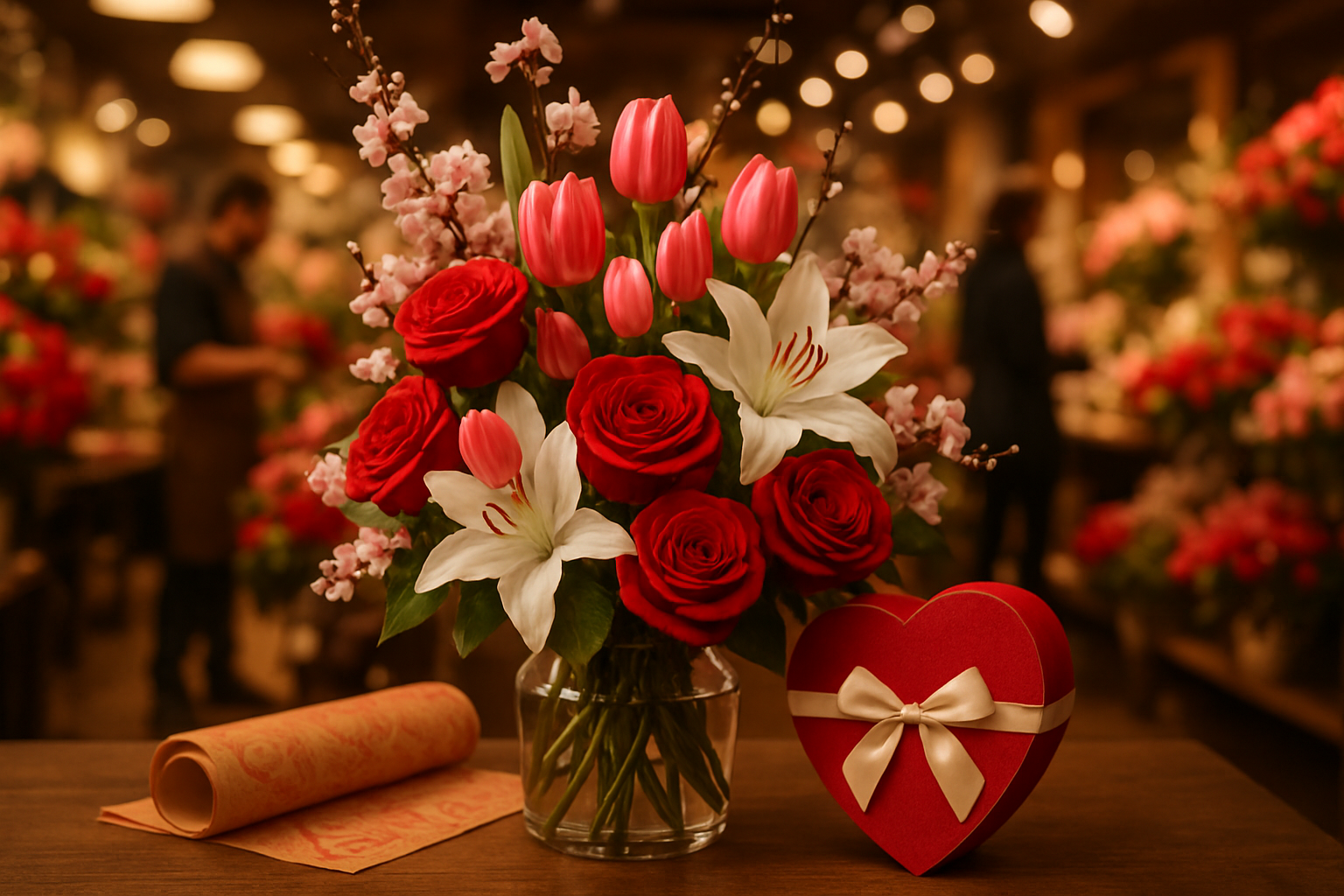
Valentine's Day 2026 has emerged as a tale of two worlds: climate-induced flower shortages crippling traditional romance gestures in Australia while Japan pioneers a luxury-driven shift toward self-love, as bustling Filipino markets demonstrate the enduring power of floral romance amid global transformation.
As lovers across the globe prepare for February 14th celebrations, unprecedented challenges and cultural evolution are reshaping one of the world's most commercialized holidays. From scorched Australian flower farms to Japan's embrace of personal indulgence, this Valentine's season reflects broader shifts in how modern societies approach romance, luxury, and tradition.
Climate Crisis Devastates Australian Flower Industry
In Australia's Mallee region, flower farmer devastation has become the unexpected face of climate change's impact on romance traditions. Record-breaking heatwaves have destroyed Valentine's Day blooms across multiple farms, leaving growers without their most lucrative crop of the year.
The extreme weather conditions, with temperatures soaring beyond historical norms, have wiped out entire fields of roses, tulips, and other traditional Valentine's flowers. This agricultural catastrophe highlights how climate change increasingly disrupts even the most symbolic aspects of cultural celebration.
"We've never seen anything like this - entire crops destroyed just weeks before Valentine's Day,"
— Local flower farmer, Australian Mallee region
The flower shortage reflects a broader pattern of climate-related disruptions affecting seasonal industries worldwide. Agricultural specialists warn that such extreme weather events may become increasingly common, forcing the flower industry to adapt cultivation methods or relocate production to more climate-stable regions.
Japan's Valentine Revolution: From Obligation to Luxury
While Australia grapples with flower shortages, Japan is experiencing a fundamental cultural shift in Valentine's Day celebrations. Traditional obligation-based gift-giving is evolving into a luxury-focused celebration of self-indulgence and personal pleasure.
Japanese consumers are increasingly embracing Valentine's Day as an opportunity for "self-love" purchases, investing in premium chocolates, luxury experiences, and high-end goods for personal enjoyment rather than obligatory romantic gestures. This transformation reflects broader cultural changes in Japanese society, where individual well-being and personal luxury are gaining prominence over traditional social obligations.

The trend represents a significant departure from Japan's traditional Valentine's customs, where women were expected to give chocolates to male colleagues and romantic interests. Modern Japanese consumers are instead choosing artisanal chocolates, premium spa treatments, and luxury dining experiences as forms of self-celebration.
This evolution aligns with global trends identified in previous Valentine's analyses, showing how romantic culture worldwide is becoming more individualized and experience-focused rather than purely gift-oriented.
Philippines: Dangwa Market's Enduring Romance
Despite global shifts and climate challenges, Manila's famous Dangwa flower market continues to embody traditional Valentine's romance. The historic Dos Castillas Street market, known locally as Manila's "Bulaklakan," remains a vibrant hub of last-minute romantics and bargain hunters seeking the perfect floral gesture.
Originating as a drop-off point for fresh produce from Benguet in the 1970s, Dangwa transformed into a thriving floral center by the 1980s. Today, it represents the persistence of traditional romantic expression amid global cultural changes.
The market's continued success demonstrates that despite technological disruption and changing cultural norms, physical spaces dedicated to romance preparation retain significant cultural importance. Vendors report steady demand for both local and imported blooms, suggesting that flower-based romantic gestures remain deeply embedded in Filipino culture.
"February remains our most defining month, a timely symbol of love and commerce in the heart of Manila,"
— Long-time Dangwa florist
The market's resilience contrasts sharply with Australia's climate-related flower shortages, highlighting how geographic and economic factors increasingly determine access to traditional romantic symbols.
Global Romance Renaissance: Quality Over Quantity
Analysis of Valentine's Day 2026 celebrations reveals a broader "romance renaissance" characterized by quality-focused experiences rather than traditional gift exchanges. This trend spans multiple continents, from Monaco's luxury dining packages to Argentina's experiential romance offerings.
The hospitality industry has adapted by creating comprehensive romantic packages combining spa services, specialized gastronomy, and wellness experiences. This evolution reflects couples' willingness to invest in meaningful experiences rather than conventional presents.
However, this shift toward experiential luxury also highlights growing economic inequality in romantic expression. While affluent couples access premium experiences, climate change and supply chain disruptions make even basic romantic gestures like flowers increasingly expensive or unavailable for many.
Cultural and Economic Implications
The transformation of Valentine's Day celebrations reflects several converging trends: climate change disrupting traditional supply chains, cultural evolution toward individualized celebration, and economic stratification affecting access to romantic experiences.
Japan's shift toward luxury self-love represents a broader cultural movement away from obligation-based social rituals toward personal fulfillment. This change has significant economic implications, as it shifts consumer spending from traditional gift categories toward luxury personal goods and experiences.
Meanwhile, climate-related disruptions like Australia's flower shortages signal potential long-term changes in how romantic holidays are celebrated. Traditional symbols may become luxury items, while new forms of romantic expression emerge from technological and cultural innovation.
Technology and Authentic Connection
Despite increasing digitization of social interaction, Valentine's Day 2026 demonstrates the continued importance of physical experiences and authentic connections. Even as technology facilitates romantic communication, couples prioritize in-person experiences and tangible expressions of affection.
This balance between digital facilitation and authentic experience reflects broader social trends where technology serves as a tool for enhancing rather than replacing human connection. The success of traditional markets like Dangwa alongside Japan's luxury self-care trend illustrates how different cultures adapt modern tools while preserving meaningful traditions.
Future of Romance Culture
Valentine's Day 2026 suggests that romantic culture is becoming more inclusive, personalized, and environmentally conscious. Rather than standardized expressions of love, couples increasingly choose celebration styles aligned with personal values and circumstances.
Climate change will likely continue reshaping romantic traditions, forcing adaptation in industries dependent on seasonal production. Simultaneously, cultural evolution toward individual fulfillment may reduce pressure for obligatory romantic gestures while encouraging more authentic expressions of affection.
The global nature of these changes indicates that Valentine's Day is evolving from a commercial obligation into a more flexible celebration of relationships, whether romantic, platonic, or personal. This transformation may ultimately strengthen the holiday's cultural significance by making it more adaptable to diverse circumstances and values.
As February 14th approaches, Valentine's Day 2026 stands as a fascinating intersection of climate reality, cultural evolution, and economic change - proving that even the most traditional celebrations must adapt to an rapidly changing world while preserving their essential spirit of human connection and celebration.