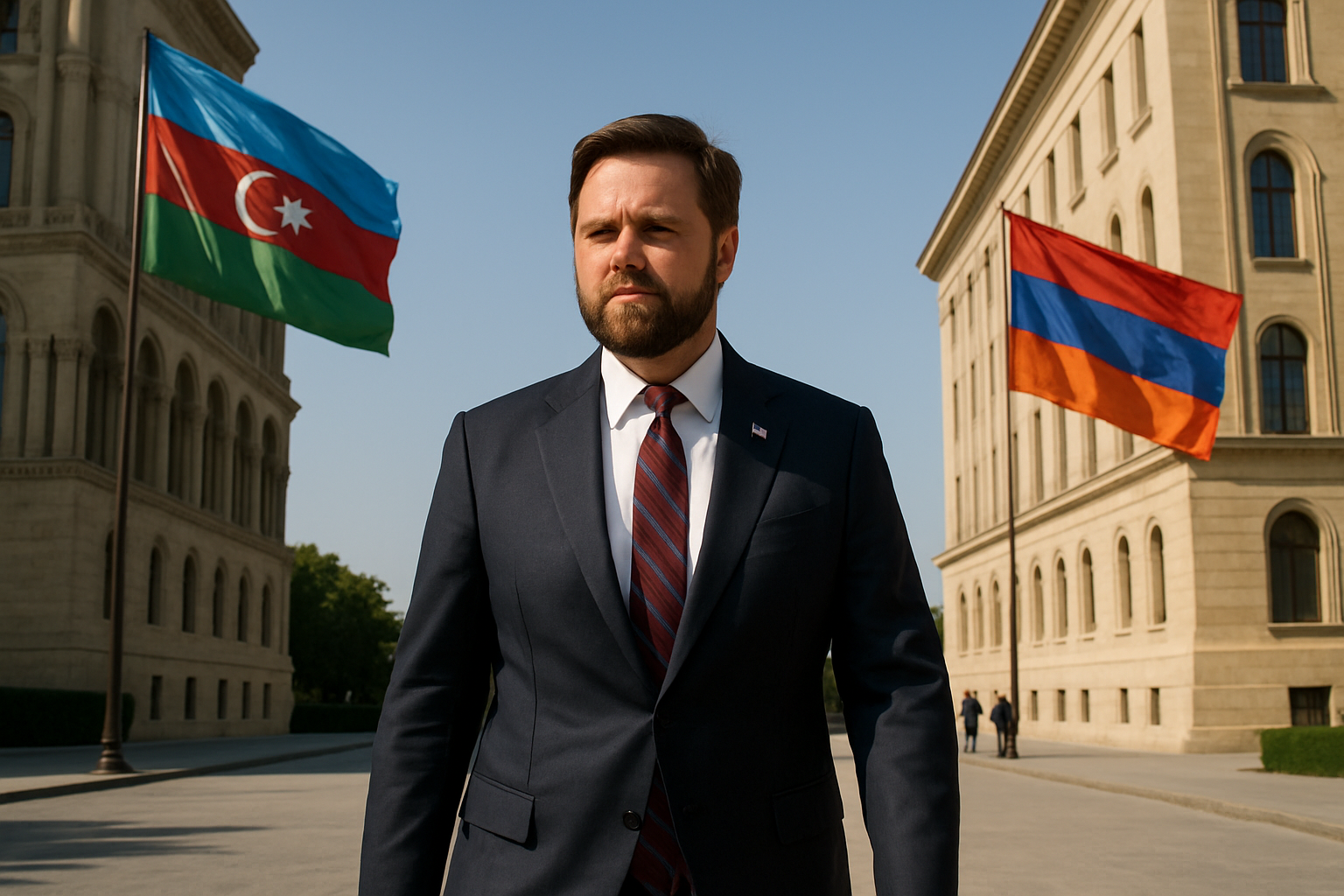
Vice President JD Vance concluded a groundbreaking three-day diplomatic mission to Azerbaijan and Armenia on February 11, 2026, marking the most significant American engagement with the South Caucasus region in over two decades, while simultaneously generating international controversy over deleted social media posts and diplomatic protocol breaches.
The visit, described by Vance as "magnificent," represents the highest-level American diplomatic presence in the region since President George W. Bush's 2005 visit to Georgia, signaling the Trump administration's unprecedented commitment to countering Russian influence and establishing strategic partnerships in this geopolitically critical corridor between Europe and Asia.
Strategic Partnership Charter with Azerbaijan
During his February 10 meeting in Baku, Vance and Azerbaijani President Ilham Aliyev signed a comprehensive Strategic Partnership Charter, building upon the framework established during their August 2024 Washington meeting. The agreement positions Azerbaijan as a key regional energy coordinator and establishes mechanisms for expanded bilateral cooperation across multiple sectors.
"This magnificent visit strengthens our partnership with Azerbaijan in the global fight against terrorism," Vance stated during the press conference, conveying President Trump's warm greetings to Aliyev.
— US Vice President JD Vance
The partnership encompasses significant economic opportunities, with current US-Azerbaijan trade totaling $74.9 million annually but expansion potential from Azerbaijan's $27.2 billion in global exports. The US Chamber of Commerce has identified Azerbaijan as a strategic East-West energy hub, with American companies viewing the South Caucasus as crucial for diversifying energy partnerships amid global market volatility.
Diplomatic Protocol Controversies
However, the visit was overshadowed by several diplomatic missteps that revealed the complexities of regional sensitivities. Azerbaijani state television AzTV edited out Vance's lighthearted joke about Azerbaijani First Lady and Vice President Mehriban Aliyeva during their joint press briefing, demonstrating the careful balance required in diplomatic communications.
According to OC Media reports, Vance's comment about dinner arrangements with the "Second Lady" and references to both countries having vice presidents was subsequently removed from official broadcasts, though the original version was later restored. Aliyeva, appointed to her vice presidential position by her husband in 2017, represents the intersection of personal and political power in Azerbaijan's governance structure.
Armenia Visit and Armenian Genocide Controversy
The diplomatic challenges intensified during Vance's February 10 visit to Armenia, where he conducted a wreath-laying ceremony at the Armenian Genocide Memorial. The visit sparked immediate international controversy when the official @VP Twitter account initially posted acknowledgment of the "1915 Armenian genocide," only to delete the post and replace it with a sanitized version removing all genocide references.
The Armenian National Committee of America (ANCA) condemned the deletion as a "disgraceful surrender to Turkish pressure," raising serious concerns among Armenian American voters ahead of the 2026 midterm elections. The incident highlights the ongoing diplomatic sensitivities surrounding historical recognition and the complex relationships between regional allies, particularly given Turkey's strategic importance to NATO and regional security arrangements.
Geopolitical Significance and Regional Impact
The visit occurs against the backdrop of declining Russian influence in the South Caucasus and increasing American strategic interest in the region. As noted by regional analysts, the trips represent a tangible illustration of growing US engagement as Moscow's traditional dominance recedes following recent geopolitical shifts.
The timing coincides with the Trump administration's broader Middle East diplomatic initiatives, including ongoing Iran nuclear negotiations and efforts to establish the Board of Peace framework for regional conflict resolution. Vance's engagement demonstrates the administration's preference for bilateral partnerships over traditional multilateral approaches to regional challenges.

Energy Security and Economic Implications
The Azerbaijan component of the visit emphasizes energy cooperation amid global market volatility, with natural gas prices rising 24% in Europe and 78% in the United States. Azerbaijan's position as a potential energy hub between Europe and Asia offers strategic alternatives to Russian energy dependence, aligning with broader Western efforts to diversify supply chains.
The partnership includes provisions for US naval vessel cooperation to enhance territorial waters protection, regional economic development through the TRIPP project, and enhanced commercial relationships through US Chamber of Commerce business missions. These initiatives position Azerbaijan as an attractive investment destination with significant potential for American companies seeking regional expansion opportunities.
Historical Context and Future Implications
Vance's visit builds upon decades of complex regional relationships, with the Trump administration's approach representing a departure from previous multilateral frameworks toward direct bilateral engagement. The success of President Bush's 2005 Georgia visit, which resulted in lasting ties and named avenues in Tbilisi, provides a template for potential long-term impact of high-level American engagement in the region.
The diplomatic mission demonstrates the administration's commitment to establishing American presence in strategically important regions while navigating complex historical sensitivities and competing regional interests. The challenges encountered during the visit – from edited broadcasts to deleted social media posts – illustrate the careful diplomatic balance required when engaging with nations that maintain relationships across different geopolitical spheres.
"This represents the most significant American diplomatic engagement with the South Caucasus in over two decades, signaling a new era of partnership and strategic cooperation."
— Regional Diplomatic Analysis, OC Media
Looking Forward: Implications for Regional Stability
The success of Vance's mission will be measured not only by immediate partnership agreements but by the long-term stability and prosperity these relationships can foster in a region that has experienced significant geopolitical turbulence. The administration's approach suggests a recognition that American leadership in emerging strategic partnerships requires sustained engagement beyond traditional allies and established frameworks.
As Russian influence continues to diminish in the South Caucasus, the United States faces both opportunities and responsibilities in helping shape regional development. The Vance visit represents a significant investment in this strategic corridor, with implications extending far beyond bilateral relationships to influence broader patterns of international cooperation and competition in the 21st century.
The diplomatic controversies encountered during the visit serve as valuable lessons for future high-level engagements in regions where historical sensitivities and competing national interests require careful navigation. The administration's ability to learn from these experiences will determine the success of its broader strategy for expanding American influence through direct bilateral partnerships in strategically important regions worldwide.