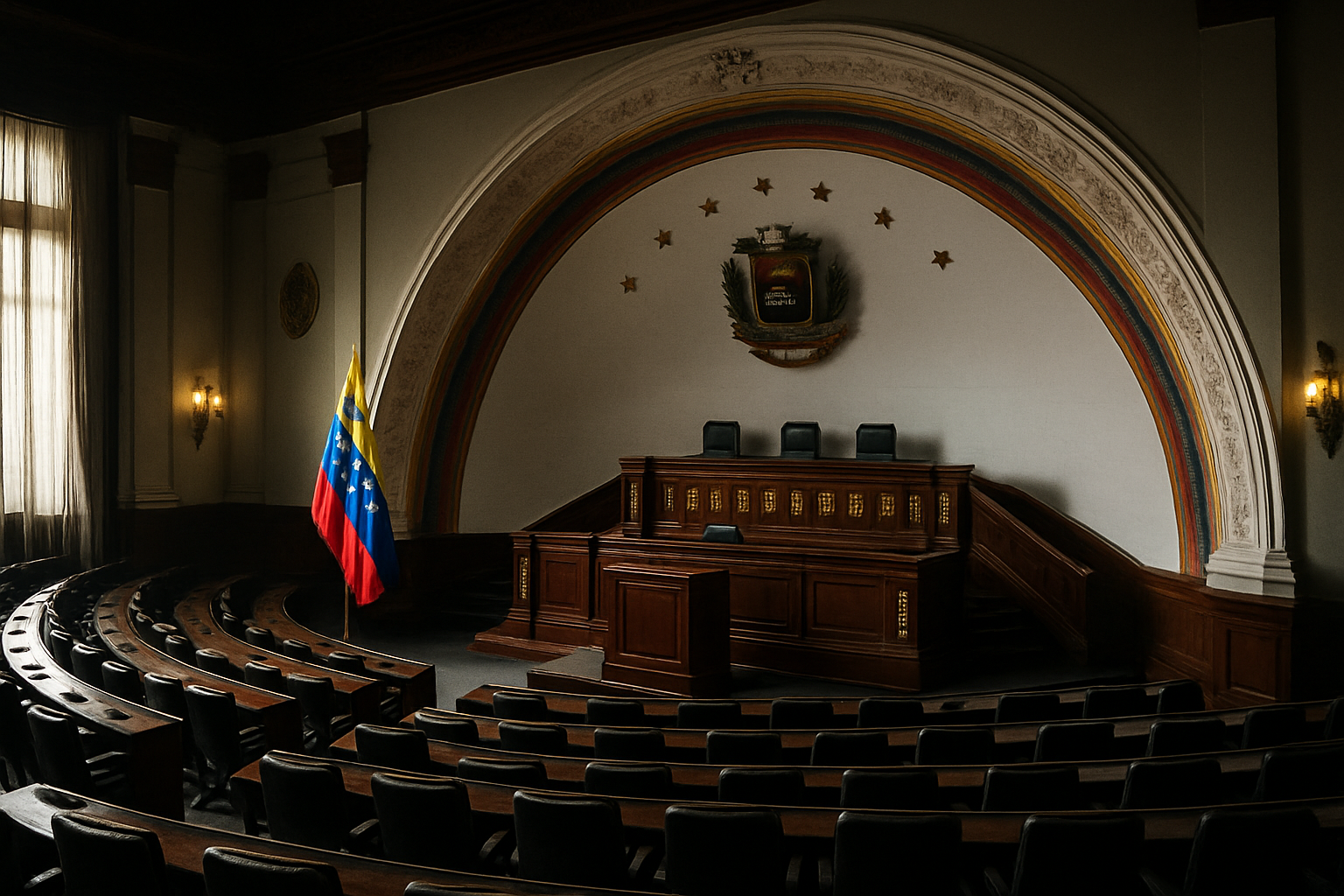
Venezuela's National Assembly appointed Larry Devoe as prosecutor general and Eglée González Lobato as public defender on April 9, 2026, in moves that have sparked fierce criticism from opposition groups who denounce the appointments as evidence of continued political control over judicial institutions.
The appointments come amid growing tensions in Venezuela, where workers have taken to the streets demanding higher wages and pensions, while the government of Acting President Delcy Rodríguez faces mounting pressure over institutional independence and democratic reforms.
Controversial Judicial Appointments
Larry Devoe, described as a chavista loyalist, was formally designated to lead the prosecutor's office in a process that opposition organizations have denounced as lacking transparency and institutional independence. The appointment represents what critics call "continuity of impunity" in the Public Ministry, according to multiple civil society organizations.
Eglée González Lobato's appointment as public defender has also drawn criticism, with human rights groups arguing she does not meet constitutional requirements of competence in human rights matters. The dual appointments signal what opposition groups describe as the interim government's continued control over key judicial positions despite promises of democratic reform.
The Italian news agency ANSA reported that the opposition denounced "political continuity" in justice system control, highlighting concerns that fundamental institutional changes remain elusive under the current transitional government.
Workers' Protests and Economic Pressures
The judicial appointments coincide with significant labor unrest across Venezuela, where workers have organized protests calling for substantial increases in wages and pensions. Police forces have moved to block these demonstrations, reflecting ongoing tensions over economic conditions that persist despite some improvements in oil revenue.
The protests have been particularly notable given that cost of living issues have remained acute since the US intervention that led to former President Nicolás Maduro's removal in January 2026. Al Jazeera reported that these economic pressures continue to affect Venezuelan workers despite the political transition.
Protesters have specifically targeted Interior Minister Diosdado Cabello, with demonstrators calling for his removal and describing him as a "dictator" who has engaged in "massive repression" of working-class movements. These demands for Cabello's dismissal reflect broader frustrations with the continuity of certain figures from the previous administration in key positions.
Institutional Independence Under Scrutiny
Human rights organizations and opposition groups have expressed serious concerns about the lack of genuine institutional independence under the current transitional government. The appointment of Devoe, in particular, has been characterized as representing "continuity of impunity" rather than the fundamental judicial reforms many expected following the political transition.
Multiple organizations have questioned whether González Lobato possesses the constitutional requirements for competency in human rights issues, raising questions about the appointment process and criteria used by the National Assembly. These concerns reflect broader skepticism about whether the current government is implementing genuine democratic reforms or merely cosmetic changes that maintain existing power structures.
The opposition's criticism of "political continuity" in justice system control suggests that many Venezuelan civil society groups view these appointments as evidence that meaningful institutional reform remains incomplete, despite the removal of Maduro and the establishment of an interim government.
Broader Political Context
These developments occur within the context of Venezuela's complex political transition following Maduro's departure. While the interim government has implemented some significant changes, including the release of over 750 political prisoners under a comprehensive amnesty program, critics argue that appointments like Devoe's demonstrate continued political influence over supposedly independent institutions.
The protests demanding Cabello's removal particularly highlight tensions within the transitional government structure, where some figures from the previous administration continue to hold significant positions. Workers' demands for his dismissal reflect broader concerns about accountability and genuine political transformation.
International observers continue to monitor Venezuela's democratic transition closely, with these judicial appointments likely to influence assessments of the interim government's commitment to institutional independence and rule of law principles. The appointments come as the international community maintains cautious engagement with Venezuelan authorities while pressing for continued democratic reforms.
Economic Challenges Persist
The workers' protests demanding higher wages and pensions underscore the continuing economic challenges facing Venezuela despite some improvements in oil production and international engagement. The persistence of cost of living issues reflects the complex nature of Venezuela's recovery from years of economic crisis and international isolation.
These economic pressures create additional challenges for the interim government, which must balance international expectations for democratic reform with domestic pressures for improved living conditions and economic relief. The government's response to these protests, including police efforts to block demonstrations, has raised questions about its commitment to protecting civil liberties and the right to peaceful assembly.
The intersection of economic grievances with demands for political accountability, particularly regarding figures like Cabello, demonstrates how economic and political issues remain intertwined in Venezuela's transitional period. The success of the political transition may ultimately depend on the government's ability to address both institutional reform and economic recovery simultaneously.
International Implications
The judicial appointments and worker protests are likely to influence international assessments of Venezuela's democratic progress under the interim government. The controversy surrounding Devoe's appointment may complicate efforts to restore full diplomatic relations and could affect international support for Venezuela's reconstruction efforts.
These developments come as Venezuela seeks to consolidate international recognition and support for its political transition. The appointment of controversial figures to key judicial positions may undermine confidence among international partners who have conditioned support on genuine democratic reforms and institutional independence.
The ongoing protests and government responses will also be closely watched by regional partners and international organizations monitoring Venezuela's commitment to human rights and democratic governance during this critical transitional period.