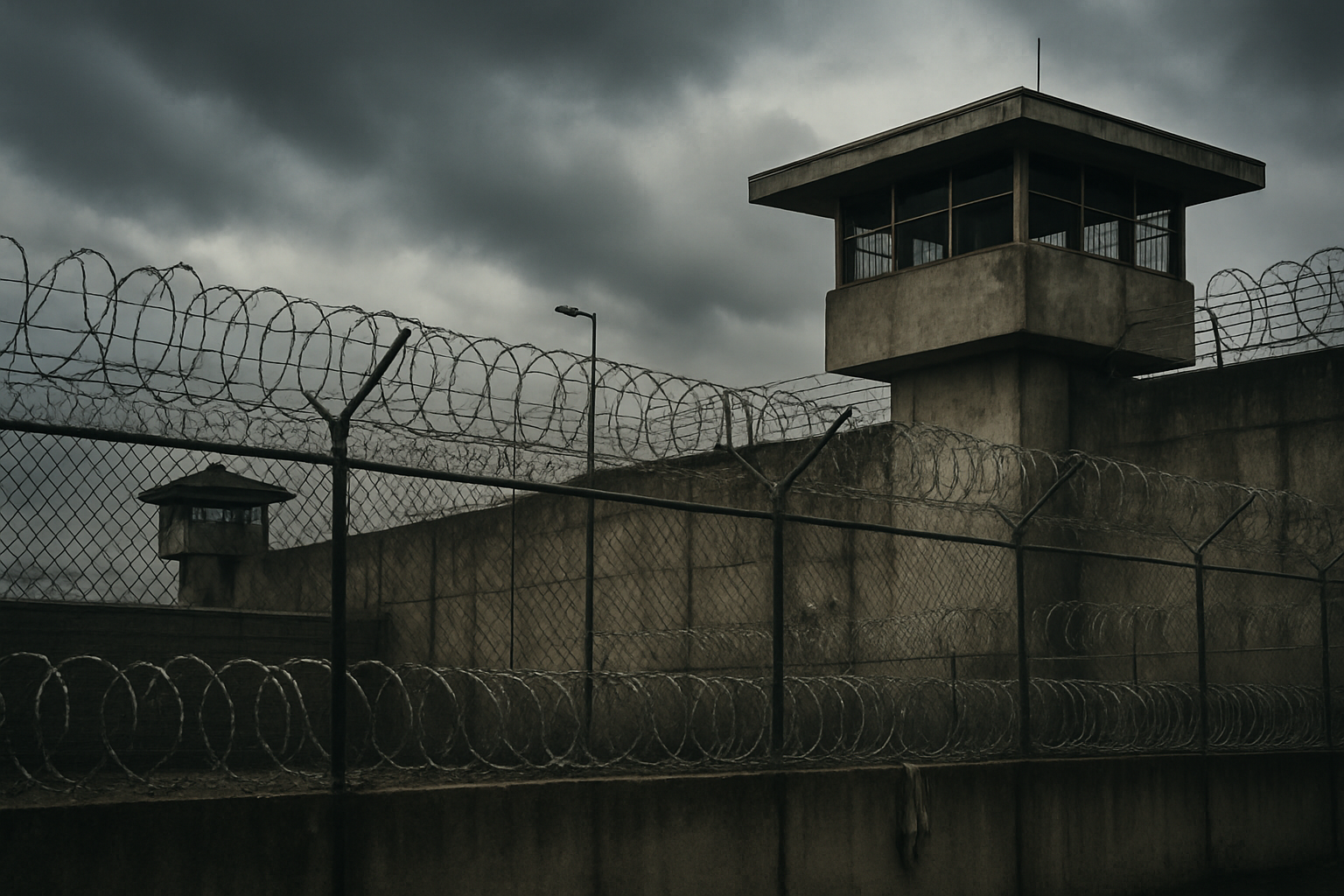
A deadly riot at Venezuela's Yare III prison facility has left at least five inmates dead, underscoring the persistent challenges facing the country's penal system despite ongoing democratic reforms under Acting President Delcy Rodríguez.
The violent uprising occurred on April 21, 2026, with Venezuelan authorities identifying the deceased as Keivin Eduardo Matamoros Matamoros, Eliecer José Córdoba García, Erkin Josué Ramos Flores, José Pascual Andrade Aguilar, and Jean Carlos Jiménez Barrios. The incident has prompted renewed scrutiny of prison conditions and sparked protests from families demanding transparency and proof of life for their incarcerated relatives.
Latest in Venezuelan Prison Violence
The Yare III riot represents the latest manifestation of deep-rooted problems within Venezuela's correctional system that have persisted throughout the country's political transformation. Despite significant political prisoner releases under the government's comprehensive 1999-2026 amnesty program—with over 750 individuals freed since January 2026—conditions within Venezuelan prisons remain dire.
This incident follows a pattern of prison violence that has characterized Venezuela's penal institutions for decades. Most notably, in February 2026, over 200 political prisoners at the Rodeo I detention facility launched a hunger strike demanding inclusion in the new amnesty law, with Argentine gendarme Nahuel Gallo among those participating according to his wife María Constanza Cipriani.
Context of Political Transformation
The Yare III riot occurs against the backdrop of Venezuela's most significant political transformation in decades. Since Acting President Delcy Rodríguez assumed power following former President Nicolás Maduro's capture in January 2026, the country has undergone dramatic changes including the restoration of diplomatic relations with the United States and comprehensive prisoner releases.
However, approximately 600 political prisoners remain detained according to human rights organization Foro Penal, despite the historic amnesty program. Many releases have come with restrictive conditions, including house arrest and electronic monitoring, as exemplified by the case of Juan Pablo Guanipa, a close ally of Nobel Peace Prize laureate María Corina Machado.
"Families in protest demand proof of life and denounce a lack of transparency in the handling of the situation."
— ANSA Report on Family Response
Ongoing Systemic Challenges
The Venezuelan prison system has long been plagued by overcrowding, violence, and poor conditions. Previous reports from human rights organizations documented severe malnutrition, physical deterioration, and psychological trauma among inmates. The Laboratorio de Paz organization found that 32 prisoners showed "severe malnutrition, physical weakening, cognitive disorientation, psychological trauma" from inadequate detention conditions.
These systemic issues persist despite the political changes and international engagement that have characterized Venezuela since early 2026. The country has seen oil exports surge 60% to 800,000 barrels daily, with the United States displacing China as the top customer following sanctions relief and comprehensive energy cooperation agreements.
Family Protests and Demands for Transparency
The families of those affected by the Yare III riot have organized protests demanding greater transparency from authorities. Their calls for "proof of life" echo similar demonstrations that have occurred throughout Venezuela's prisons during the political transition period.
These family vigils recall the prolonged protests that took place earlier in 2026, when relatives of political prisoners maintained desperate vigils outside facilities like Zona 7 and El Helicoide for over 39 consecutive days. Some protesters engaged in hunger strikes lasting 72+ hours, with at least one woman requiring hospital transport due to the physical toll.
International Context and Reform Challenges
The prison violence comes as Venezuela continues its democratic transition under international observation. Former Spanish Prime Minister José Luis Rodríguez Zapatero has maintained mediation efforts since February 2026, while Cardinal Baltazar Porras has organized prayer vigils supporting national reconciliation.
Despite these positive developments and the restoration of diplomatic relations with major powers, the Yare III incident demonstrates that institutional reforms beyond prisoner releases are necessary for comprehensive transformation. The Venezuelan case is being monitored throughout Latin America as a potential template for post-authoritarian transitions.
Economic Progress Amid Institutional Challenges
While Venezuela has achieved significant economic milestones—including the return to the International Monetary Fund system with access to $5 billion and the resumption of American Airlines flights—the prison system remains a critical area requiring urgent attention and reform.
The country faces ongoing challenges including 475% inflation (the world's highest in 2025 according to the Central Bank), infrastructure decay, and power outages affecting millions. Oil production remains at 700,000 barrels daily compared to the historical peak of 3 million barrels, requiring sustained international investment and technical assistance.
Looking Forward
The Yare III tragedy highlights the complex nature of Venezuela's transition, where significant political and economic progress coexists with persistent institutional challenges. As María Corina Machado prepares for her announced return to Venezuela "within weeks"—a crucial test of the government's democratic commitments—incidents like this underscore the need for comprehensive reforms extending beyond political prisoner releases.
The international community, including the United States which has invested significantly in Venezuela's transformation through energy partnerships and diplomatic engagement, will be watching closely to ensure that progress in political reconciliation is matched by improvements in basic institutional functions like prison administration and public safety.
For Venezuela to serve as a successful template for democratic transitions in Latin America, addressing systemic issues within institutions like the prison system will be essential to building sustainable governance and restoring public confidence in state institutions.