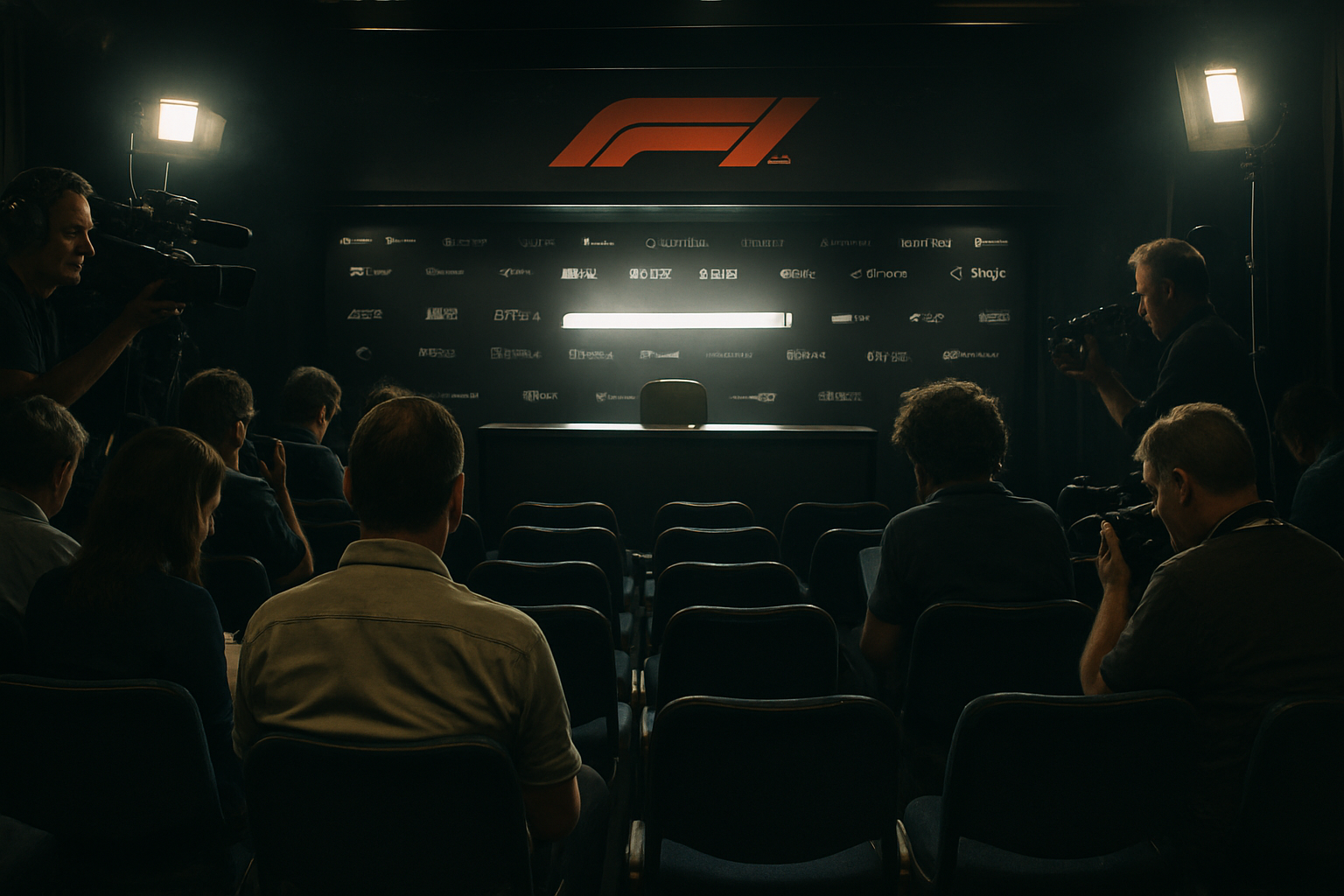
Formula 1 world champion Max Verstappen created an unprecedented scene at the Japanese Grand Prix by demanding Guardian journalist Giles Richards leave the press conference before he would answer any questions, citing objections to a question the reporter had asked in December 2025.
The dramatic confrontation unfolded during the official pre-race media session at Suzuka International Racing Circuit, where Verstappen reportedly told Richards to "get out" of the conference room. The three-time world champion refused to engage with any media until the Guardian F1 correspondent departed the session.
According to multiple sources present at the press conference, Verstappen's actions were directly linked to a specific question Richards had posed during the final race weekend of the 2025 season in December. The exact nature of that December question remains unclear, but it has clearly left a lasting impression on the Red Bull Racing driver.
Unprecedented Media Standoff
The incident marks one of the most dramatic press conference confrontations in recent Formula 1 history, highlighting the sometimes tense relationship between drivers and the media covering the sport. Verstappen's refusal to proceed until Richards left represents an extraordinary breach of normal press conference protocol.
While drivers occasionally express frustration with media questions or skip press conferences entirely, directly ejecting a specific journalist from an official FIA media session is virtually unprecedented in modern Formula 1. The move has raised questions about media access and professional conduct standards in the paddock.
The Guardian's Giles Richards is a respected Formula 1 correspondent who has covered the sport for several years, making Verstappen's public rejection particularly notable within the F1 media community.
Context of Rising Media Tensions
The confrontation occurs against a backdrop of increasing tensions between Formula 1 drivers and media representatives. As the sport has grown in global popularity, particularly following the success of Netflix's "Drive to Survive" series, media scrutiny of drivers has intensified significantly.
Verstappen has previously expressed frustration with certain aspects of media coverage, particularly questions he perceives as repetitive or designed to create controversy rather than provide genuine insight into racing or technical matters.
The December 2025 question that apparently triggered this response coincided with the end of a challenging season for Verstappen and Red Bull Racing, during which the team faced increased competition from rivals and various technical challenges that ended their period of dominance.
Impact on Japanese Grand Prix Weekend
The media conference disruption overshadowed other storylines heading into the Japanese Grand Prix weekend, including Oscar Piastri's optimistic outlook despite recent mechanical difficulties with his McLaren. The Australian driver had expressed hopes of simply "making the starting line" for the race, highlighting the technical challenges teams have faced during the 2026 season.
The incident also comes during a transitional period for Formula 1, with new technical regulations implemented for the 2026 season creating unprecedented challenges for all teams and drivers. The increased pressure and uncertainty may be contributing to heightened tensions between participants and media.
FIA officials have not yet commented on whether Verstappen's actions violated any media regulations or protocols, though such conduct could potentially result in sanctions or warnings about future behavior in official press settings.
Media Relations in Modern F1
The Verstappen-Richards confrontation highlights the evolving dynamics of media relations in modern Formula 1. Drivers are required to participate in various media obligations as part of their contracts and FIA regulations, creating a complex balance between promotional duties and personal boundaries.
Professional sports journalism relies on access to athletes and officials to provide comprehensive coverage for fans and stakeholders. When that access becomes restricted or contentious, it can impact the quality of reporting and public understanding of the sport.
The incident may prompt discussions within Formula 1's governing bodies about media guidelines, acceptable conduct standards, and procedures for handling disputes between drivers and journalists during official sessions.
As the Japanese Grand Prix weekend continues, the focus will inevitably return to on-track action. However, this unprecedented media conference confrontation has added an unexpected subplot to the weekend's proceedings and may influence how driver-media relationships evolve throughout the remainder of the 2026 Formula 1 season.