Victorian taxpayers will pay $125 million to settle a class action lawsuit brought by retail businesses affected by the state's 2020 COVID-19 lockdown measures, marking a significant legal precedent for government compensation related to pandemic restrictions.
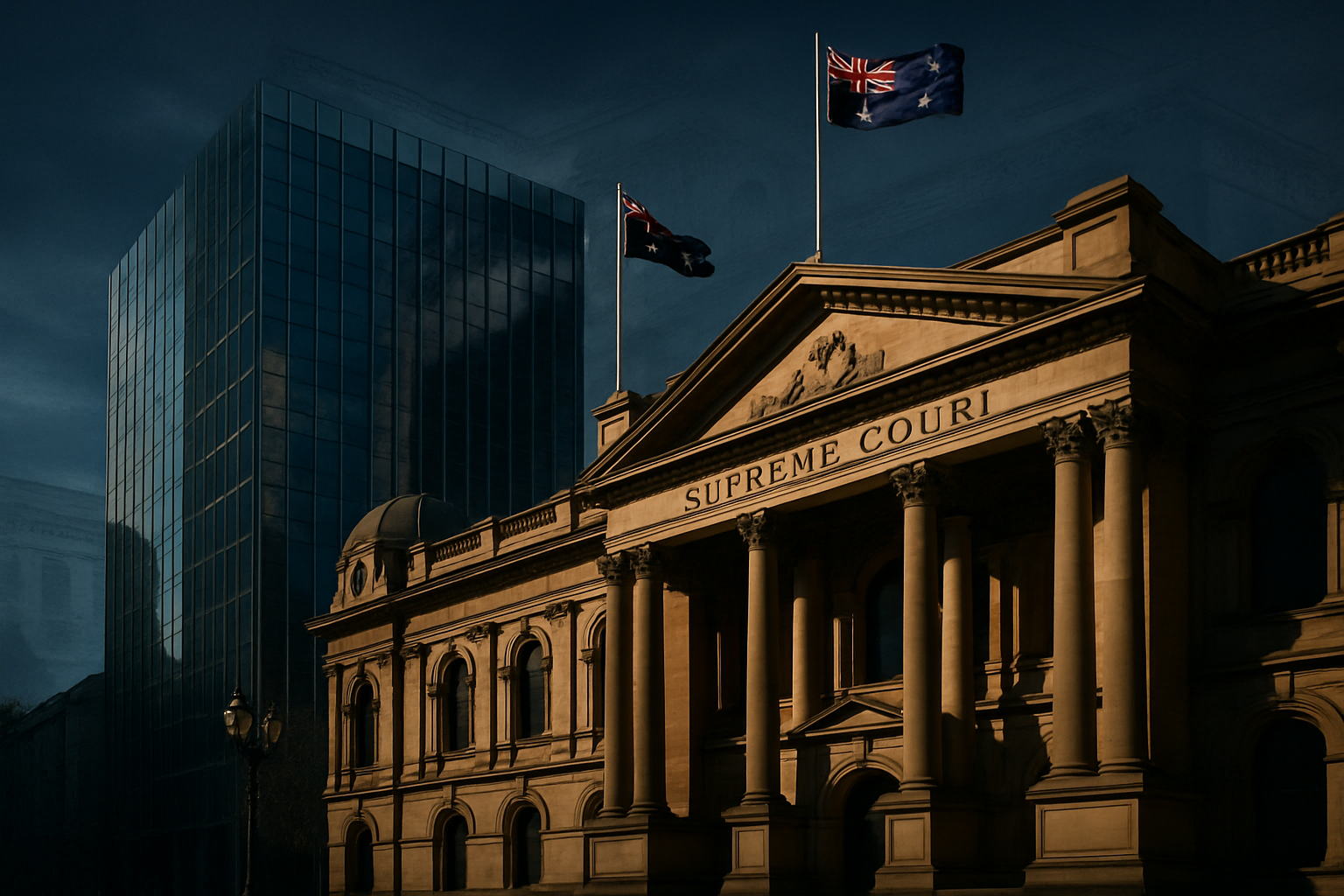
The settlement, announced March 16, 2026, resolves litigation filed in the Supreme Court on behalf of businesses financially impacted by Victoria's lockdowns, which were among the world's longest and most restrictive during the COVID-19 pandemic.
Legal Challenge Against Historic Lockdowns
The class action was brought by retail businesses including lead plaintiff 5 Boroughs NY Pty Ltd, who argued the Victorian government should pay compensation for economic losses resulting from lockdown measures that prevented customers from accessing physical business premises.
Victoria's 2020 lockdowns, implemented to control COVID-19 transmission, imposed severe restrictions on retail operations between various periods, forcing many businesses to close or operate under significantly reduced capacity. The restrictions were part of broader public health measures that saw Melbourne become one of the most locked-down cities globally during the pandemic.
Court documents reveal that businesses suffered substantial financial losses as foot traffic plummeted and consumer spending shifted dramatically during the restriction periods. Many retailers faced ongoing fixed costs including rent, insurance, and employee obligations while revenue streams were severely curtailed or eliminated entirely.
Settlement Details and Approval Process
The $125 million settlement requires approval by the Victorian Supreme Court before becoming effective. The state government has agreed to the settlement amount, which will be distributed among qualifying businesses according to criteria established through the legal proceedings.
Government sources indicate the settlement reflects a pragmatic approach to resolving lengthy litigation that could have continued for years, potentially costing significantly more in legal fees and uncertainty for affected businesses. The agreement comes with the standard "no admission of liability" clause typically included in such settlements.
The settlement covers businesses that operated physical retail premises and can demonstrate financial impact directly attributable to the government-mandated lockdown measures implemented during 2020. Eligible businesses will need to provide documentation of their losses during the relevant periods.
Broader Context of Pandemic Litigation
This settlement joins a growing pattern of COVID-19 related legal resolutions across Australia. In March 2026, Qantas Airways agreed to a $105 million settlement resolving a class action lawsuit over controversial flight credit policies during the pandemic, representing one of the largest consumer settlements in Australian aviation history.
The Victorian case establishes important precedent regarding government accountability for economic impacts of public health measures. Legal experts suggest it may influence similar litigation in other jurisdictions where businesses suffered losses due to government-imposed COVID-19 restrictions.
"This settlement recognizes the significant sacrifice made by Victorian businesses during an unprecedented public health emergency."
— Legal representative for affected businesses
Economic Impact and Public Health Balance
The settlement occurs against the backdrop of ongoing debates about the balance between public health protection and economic considerations during crisis situations. Victoria's lockdown measures, while controversial, were credited by health authorities with preventing potentially thousands of deaths and avoiding healthcare system collapse.
Economic analysis suggests the $125 million represents a fraction of the broader economic impact experienced across Victoria during the lockdown periods, which affected industries from hospitality to tourism, retail to entertainment. The settlement specifically addresses retail businesses that could demonstrate direct causation between government restrictions and financial losses.
The Victorian economy has since recovered strongly from the pandemic impacts, with employment levels and business activity returning to pre-pandemic levels in most sectors. However, many individual businesses, particularly smaller retailers, faced permanent closure or ongoing financial difficulties stemming from the lockdown period.
Legal Precedent and Future Implications
Legal experts characterize the settlement as establishing important precedent for government liability in crisis response situations. The case demonstrates that while governments possess broad emergency powers during public health crises, they may face financial accountability for the economic consequences of those decisions.
The resolution may influence how future emergency responses are structured, potentially incorporating economic impact assessments and compensation mechanisms from the outset rather than relying on post-crisis litigation to address business losses.
International observers are monitoring the Australian approach to pandemic litigation as countries worldwide grapple with similar questions about government accountability and business compensation related to COVID-19 response measures.
Court Approval Timeline
The Victorian Supreme Court will now review the proposed settlement to ensure it represents fair and reasonable compensation for the affected class members. This approval process typically takes several months and includes opportunities for class members to object or seek modifications to the terms.
Once approved, eligible businesses will be able to claim compensation through a court-administered process, with specific criteria and documentation requirements to be established during the approval phase.
The settlement represents closure of a significant legal chapter stemming from Australia's COVID-19 response while establishing precedents that may influence government crisis management approaches for years to come. For the affected businesses, it provides long-awaited recognition of the financial sacrifices made during one of the most challenging periods in recent Australian history.