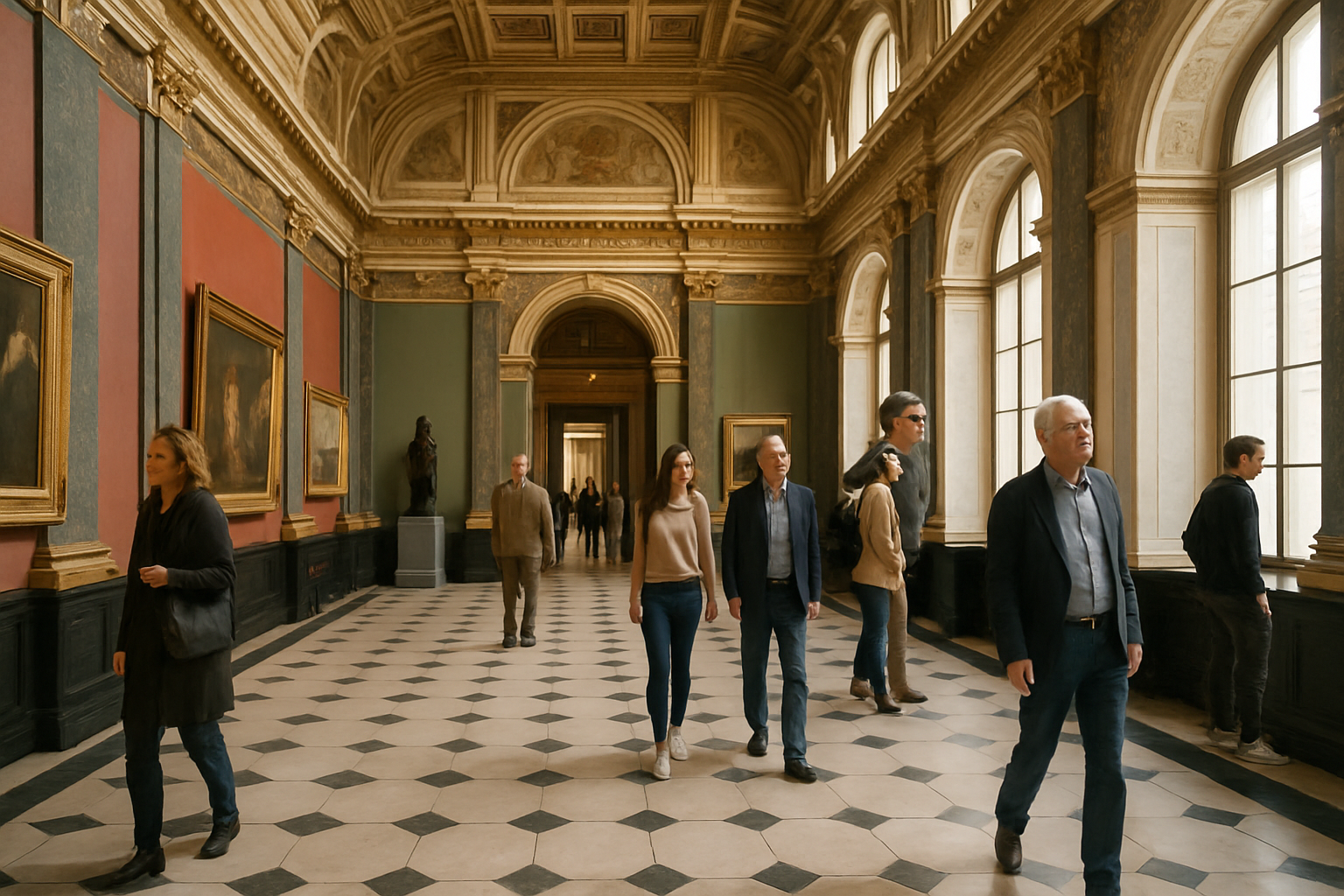
Vienna has announced a comprehensive initiative offering residents specific dates when they can visit the city's world-renowned museums free of charge, addressing rising cultural institution admission costs while promoting cultural accessibility and strengthening Austria's position in the growing European cultural tourism sector.
The Austrian capital's cultural democratization program comes amid increasing concern over museum admission pricing across Europe, with DER STANDARD conducting detailed research on free museum access opportunities throughout Vienna. The initiative represents part of a broader "February 2026 Cultural Renaissance" documented across European nations, demonstrating coordinated efforts to balance heritage preservation with community accessibility.
Strategic Response to Rising Cultural Costs
Cultural institutions across Europe have experienced significant cost pressures, forcing many museums to raise admission prices beyond what many residents can afford. Vienna's proactive response acknowledges that cultural access should not be a luxury reserved for tourists and affluent locals, but rather a fundamental component of community life and cultural identity preservation.
The program builds on successful models observed across Europe, where cultural heritage institutions are evolving from static preservation facilities toward dynamic, community-engaged programming serving multiple societal functions. This approach aligns with emerging recognition of culture as strategic infrastructure equivalent to transportation, communication, and healthcare systems.
European Cultural Renaissance Context
Vienna's announcement coincides with unprecedented cultural activity across Europe. Austria has been positioning itself as a leader in cultural innovation, with the Belvedere Museum presenting major exhibitions like "Ferdinand Georg Waldmüller: Nach der Natur gemalt" and Eurovision 2026 cultural programming emphasizing "United by Queerness" themes that promote European diversity values to global audiences.
The initiative reflects broader patterns identified in European cultural stewardship: technology enhancement rather than replacement of traditional practices, international cooperation respecting local authenticity, and economic viability through sustainable cultural tourism models. Countries implementing comprehensive cultural access programs report improved diplomatic relationships, increased tourism revenue, and strengthened international standing.
"Museums are recognizing their role as essential community infrastructure that must serve local populations while attracting international visitors."
— European Cultural Heritage Analysis, March 2026
Tourism and Economic Development Strategy
Austria's cultural tourism sector has demonstrated remarkable resilience, with 28.1% of overnight stays occurring during shoulder seasons, indicating successful visitor flow redistribution. The free museum access program supports this trend by encouraging local engagement during off-peak periods while maintaining Austria's reputation as a sophisticated cultural destination.
The economic multiplier effects extend beyond immediate tourism benefits. Cultural programming generates employment across performance, production, hospitality, and marketing sectors while creating lasting infrastructure including international partnerships, educational collaborations, and creative industry development. Vienna's approach creates year-round cultural engagement serving both residents and visitors effectively.
This strategy aligns with broader European tourism evolution emphasizing quality-focused approaches over volume-based growth. Regional cooperation through initiatives like the European Marathon Classics demonstrates how cultural institutions can collaborate rather than compete, creating comprehensive multi-destination experiences benefiting entire regions.
Technology and Community Engagement
Vienna's program incorporates sophisticated technological integration while preserving authentic cultural expression. Digital platforms enable enhanced visitor experiences through multilingual audio guides, virtual reality applications, and real-time exhibition information, while maintaining the essential human connections that define meaningful cultural encounters.
The success factors identified across European cultural initiatives emphasize community ownership and engagement as foundations for sustainable programming. Vienna's approach prioritizes authentic local participation while leveraging technology to amplify rather than replace traditional cultural practices.
Advanced conservation techniques, climate-controlled preservation systems, and digital documentation ensure cultural artifacts remain accessible for future generations while current communities benefit from immediate engagement opportunities.
International Cooperation and Best Practices
Vienna's initiative draws from successful models across Europe, including Bulgaria's free access to heritage sites during commemorative periods, which reported significant visitor increases and enhanced community engagement. The Netherlands' proactive approach to cultural repatriation and ethical museum practices has strengthened international partnerships while maintaining high visitor satisfaction.
European Union cultural programs provide frameworks for resource sharing and coordinated marketing without compromising local authenticity. This systematic support enables smaller cultural institutions to achieve international recognition impossible through individual efforts while preserving distinctive regional characteristics.
Climate Adaptation and Sustainability
Cultural institutions face increasing environmental challenges, with January 2026 marking the 18th consecutive month of global temperatures exceeding 1.5°C above pre-industrial levels. Vienna's program incorporates climate-resilient infrastructure and sustainable practices as standard requirements rather than optional considerations.
The initiative supports visitor flow redistribution throughout the year, reducing peak-season pressure on both cultural sites and urban infrastructure while ensuring consistent revenue streams for cultural institutions. This approach demonstrates how cultural policy can contribute to broader sustainability objectives while serving community needs.
Future Implications and Global Template
Vienna's comprehensive approach to cultural accessibility establishes precedents for 21st-century cultural stewardship that successfully balance preservation with innovation, local authenticity with international cooperation, and economic viability with cultural integrity. The program provides practical templates adaptable to diverse circumstances worldwide.
Success across varied European contexts demonstrates that communities investing in authentic cultural programming with thoughtful technology integration and international cooperation achieve sustainable development serving local needs while gaining global recognition. Culture positioned as strategic infrastructure generates competitive advantages through tourism development, creative industry employment, and enhanced international relationships.
As European cultural institutions continue evolving toward dynamic, living traditions that adapt to contemporary challenges while maintaining essential character and community meaning, Vienna's free museum access program represents a watershed moment in cultural democratization. The initiative demonstrates how sophisticated destination management can combine marketing excellence with operational efficiency, cultural authenticity with modern accessibility, creating templates for sustainable cultural development worldwide.
Community Impact and Long-term Vision
The program emphasizes meaningful community involvement ensuring sustainability and authentic cultural representation. Local residents gain regular access to world-class cultural programming while contributing to the vibrant cultural ecosystem that attracts international visitors and maintains Vienna's reputation as a global cultural capital.
Educational partnerships with schools and universities extend the program's impact beyond immediate museum visits, creating lasting connections between cultural institutions and community members across generations. This approach ensures cultural knowledge transmission while fostering appreciation for heritage preservation among young Austrians.
Vienna's initiative represents more than free admission—it embodies recognition that culture serves fundamental community infrastructure essential for human flourishing, international understanding, and sustainable economic development. The program establishes Austria as a leader in cultural innovation while honoring the rich traditions that make Vienna one of Europe's most celebrated cultural destinations.