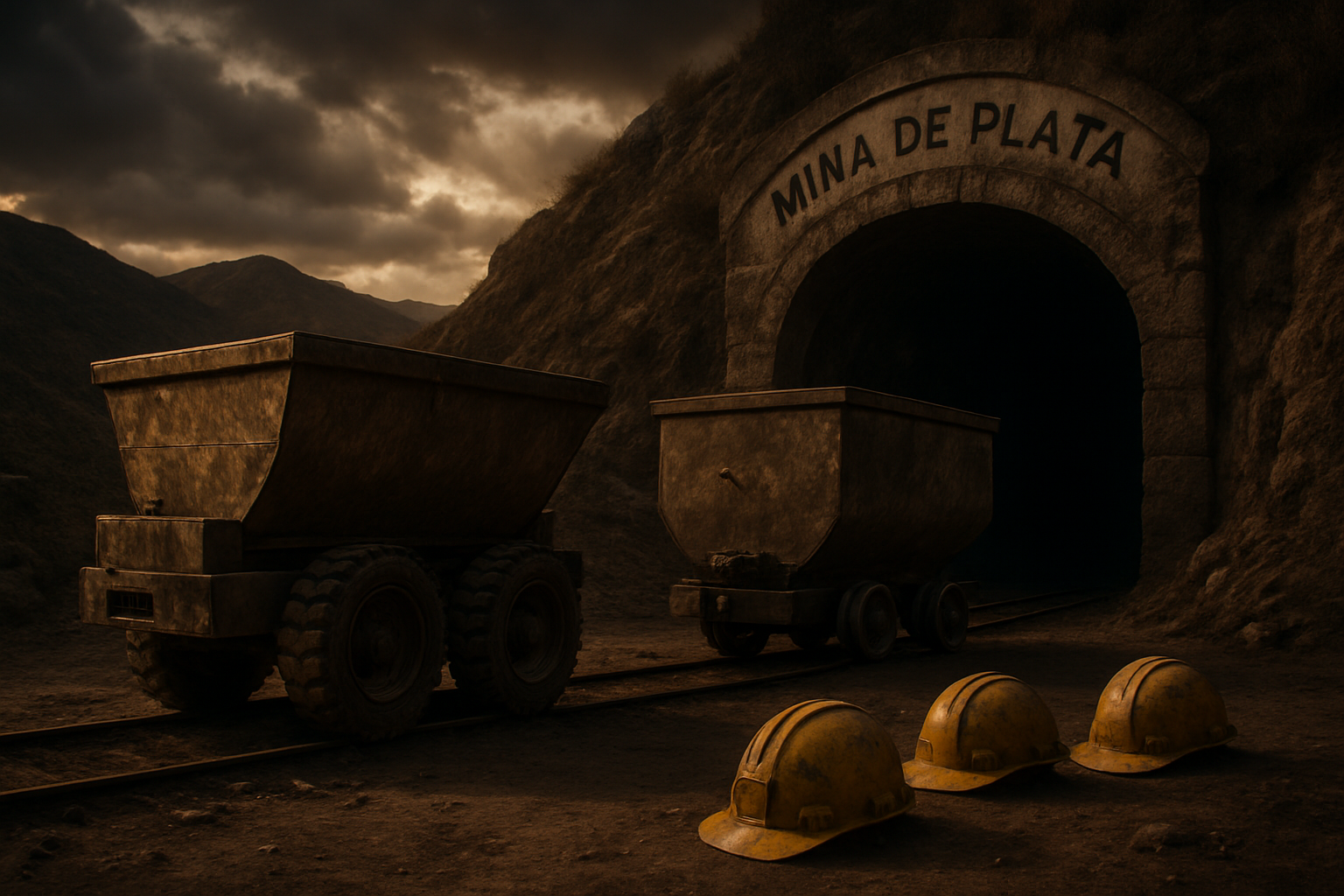
Vancouver-based Vizsla Silver Corp. has confirmed the tragic deaths of nine of ten workers who were kidnapped from its mining operations in Concordia, Sinaloa state, Mexico in late January 2026, marking one of the deadliest incidents targeting international mining personnel in recent Mexican history.
The confirmation comes after Mexican authorities discovered multiple bodies in what investigators describe as clandestine graves in the Sinaloa region. The company announced the devastating news following extensive search operations conducted by Mexican federal authorities and the National Guard, with one worker still reported missing.
Timeline of the Tragedy
The kidnapping occurred in late January 2026 at Vizsla Silver's Panuco project compound in Concordia, located in the violence-plagued state of Sinaloa. All ten workers were Canadian employees of the Vancouver-based mining company, which has been operating silver extraction operations in the region despite well-documented security concerns.
According to sources familiar with the investigation, the workers were abducted during what appears to have been a coordinated assault on the mining facility. The victims included Jose Angel Hernandez, whose sisters were photographed embracing during a march demanding justice for the missing workers in February 2026.
"This represents one of the most serious security incidents affecting Canadian mining operations abroad in recent memory."
— Security Industry Analyst
Pattern of Violence Against Mining Operations
The Vizsla Silver tragedy is part of an escalating pattern of criminal targeting of international mining operations throughout Mexico. Security experts have documented a significant increase in kidnappings, extortion attempts, and violent attacks against foreign mining companies operating in regions controlled by organized criminal groups.
Former employees and contractors at the Panuco project had previously described working conditions resembling a "war zone," with constant gunfire, cartel checkpoints, and drone surveillance over work sites. These revelations suggest that local management may have established some form of coordination with organized armed groups before the January crisis.
The mining site was located in territory where the Sinaloa Cartel maintains strong influence, adding to the complexity of security arrangements for international companies operating in the region.
Corporate Security Failures
Investigations into the incident have revealed potential corporate liability issues regarding worker safety failures and possible violations of international business ethics standards. Sources suggest that company management may have negotiated payments or information sharing with criminal organizations to maintain operations in cartel-controlled territory.
The case highlights broader questions about corporate accountability in high-risk jurisdictions where state forces cannot guarantee adequate protection for international workers. Industry experts argue that comprehensive security planning should be considered an essential component of corporate responsibility rather than an optional consideration.
Government Response and Investigation
Mexican federal authorities launched intensive search operations involving the National Guard following the initial reports of the kidnapping. The investigation has been complicated by the remote location of the mining operations and the challenging security environment in Sinaloa state.
The incident occurred during a period of heightened violence in Mexico, following the elimination of major cartel leader Nemesio Oseguera Cervantes "El Mencho" in February 2026, which triggered widespread retaliation across multiple Mexican states.
Canadian officials have been coordinating closely with their Mexican counterparts throughout the investigation, though specific details of the diplomatic response have not been publicly disclosed.
Impact on International Mining Industry
The Vizsla Silver tragedy has sent shockwaves through the international mining community, particularly companies with operations in Latin America. Several mining executives have indicated they are reassessing security protocols and considering whether to continue operations in high-risk Mexican regions.
The incident comes at a time when the global mining industry is experiencing unprecedented demand for precious metals and critical minerals, driven by renewable energy transitions and technological advancement. Mexico remains a crucial supplier of silver and other strategic materials to international markets.
Industry associations have called for enhanced security cooperation between governments and private companies, arguing that traditional corporate security measures are insufficient against criminal organizations with state-like capabilities.
Broader Security Crisis in Mexico
The mining workers' deaths occurred against the backdrop of Mexico's ongoing struggle with organized crime violence. The country has deployed over 100,000 security personnel for the upcoming 2026 FIFA World Cup, representing the largest security operation in Mexican history.
Criminal organizations in Mexico have demonstrated increasingly sophisticated capabilities, including advanced surveillance systems, encrypted communications, and military-grade equipment that challenges traditional law enforcement approaches.
The Sinaloa region, where the Vizsla Silver operations were located, has been particularly affected by cartel violence and territorial disputes between competing criminal organizations.
International Business Implications
The tragedy raises fundamental questions about the viability of international business operations in regions where criminal organizations exercise territorial control. Legal experts suggest that companies may face increased liability for worker safety in high-risk jurisdictions.
Mining companies are now under pressure to develop more comprehensive risk assessment frameworks that account not just for geological and market factors, but for the evolving security landscape in resource-rich regions controlled by criminal organizations.
"This case will likely become a watershed moment for how international mining companies approach security planning and worker protection in high-risk environments."
— International Business Risk Consultant
Calls for Reform
The incident has prompted calls for comprehensive reform of how international companies approach operations in high-risk jurisdictions. Experts argue that traditional corporate social responsibility frameworks are inadequate for addressing the fundamental security threats posed by sophisticated criminal organizations.
Industry leaders suggest that future mining operations in such regions will require unprecedented levels of security planning, international cooperation, and possibly direct government protection arrangements to ensure worker safety.
The tragedy also highlights the need for enhanced cooperation between home and host country governments to protect their citizens working abroad in challenging security environments.
Memorial and Ongoing Search
Memorial services have been held for the nine confirmed victims, with their families and the broader mining community mourning the loss of workers who traveled thousands of miles from Canada to work in Mexico's silver mines. The company has stated that it remains in contact with the family of the one worker who is still missing.
The search for the remaining missing worker continues, though authorities have indicated that hopes for finding survivors have dimmed significantly given the time that has elapsed since the initial kidnapping.
The Vizsla Silver tragedy serves as a stark reminder of the human cost of international mining operations in regions where state authority is challenged by criminal organizations with sophisticated capabilities. As the industry grapples with the implications of this incident, the focus has shifted to preventing similar tragedies through enhanced security measures and improved international cooperation.