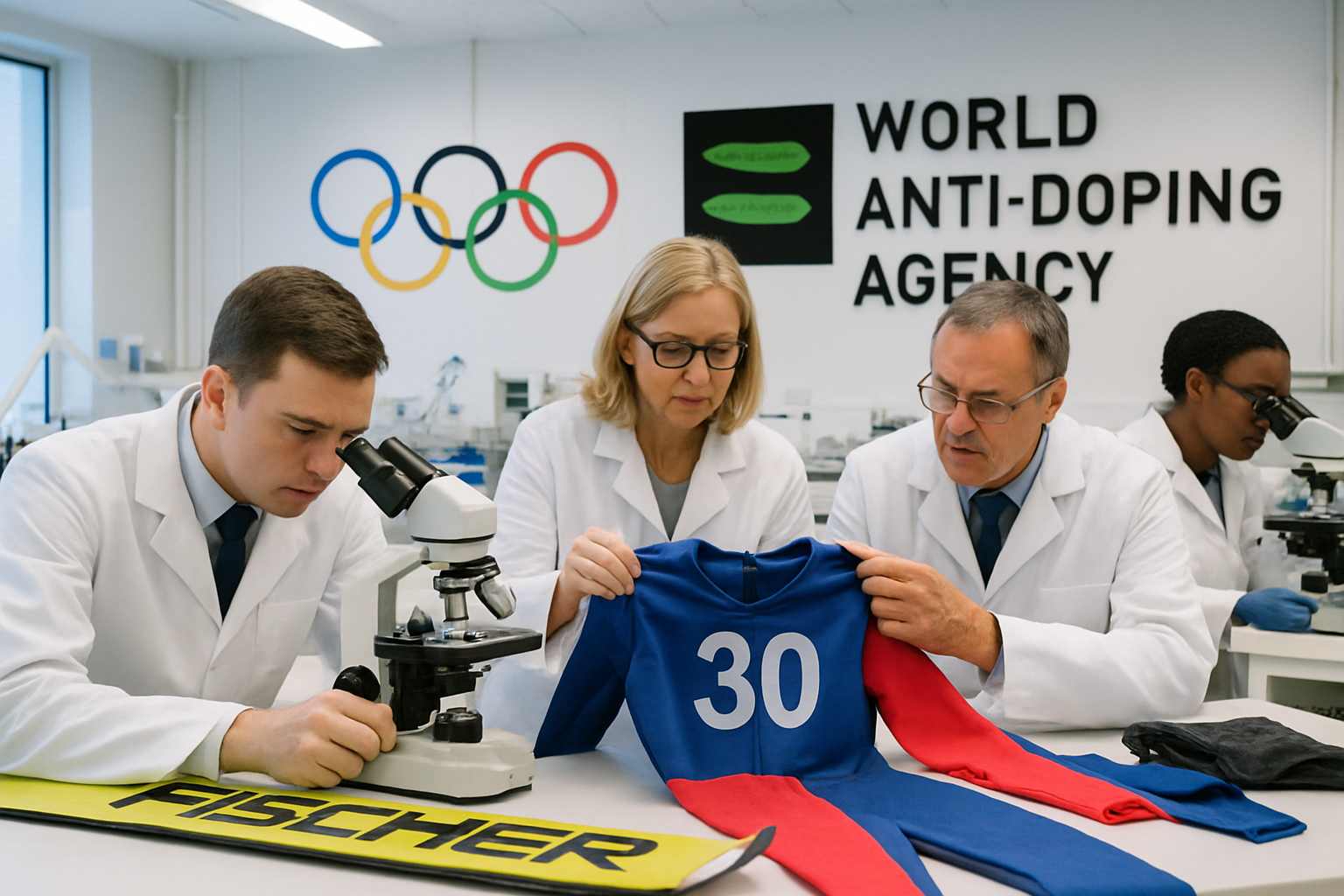
The World Anti-Doping Agency has opened an investigation into explosive allegations of unconventional performance enhancement methods in ski jumping, casting a shadow over the sport just days before the Milan-Cortina 2026 Winter Olympics begin on February 6.
According to reports from German media and confirmed by Hungarian sports outlet Telex, WADA officials are examining claims that ski jumpers may be using acid injections to chemically alter their suits for aerodynamic advantages. The allegations, described by German newspapers as involving "penis injections," represent what could be one of the most unusual doping cases in Olympic history.
WADA Response and Investigation Details
A WADA spokesperson confirmed to Hungarian media that while the organization "has not yet heard of this method," they would "investigate if such a case becomes public." The statement suggests the allegations remain preliminary but serious enough to warrant official attention from the world's leading anti-doping authority.
The timing of these allegations is particularly sensitive, coming as the Milan-Cortina 2026 Winter Olympics face mounting challenges. The Games, set to begin with opening ceremonies at San Siro stadium on February 6, have already been marked by infrastructure problems, power outages during early competitions, and other organizational difficulties.
Context of Olympic Doping Concerns
The ski jumping allegations emerge against a backdrop of existing doping controversies surrounding the 2026 Games. Italian biathlete Rebecca Passler was excluded from competition after testing positive for letrozole and methanol, marking the first positive test among arriving athletes. Additionally, controversial figure skating coach Eteri Tutberidse received accreditation for the Games, prompting sharp criticism from WADA President who expressed being "uncomfortable" about her presence.
"The thought of her presence makes me uncomfortable"
— WADA President, regarding Eteri Tutberidse's Olympic accreditation
Tutberidse has been at the center of multiple doping scandals involving young Russian figure skaters, most notably the Kamila Valieva case at the Beijing 2022 Olympics, where the 15-year-old tested positive for a banned heart medication.
Equipment Manipulation Allegations
The specific nature of the ski jumping allegations centers on claims that athletes may be using chemical substances to alter the properties of their competition suits. In ski jumping, aerodynamics play a crucial role in performance, with strict regulations governing suit specifications to ensure fair competition.
These allegations follow previous controversies in ski jumping regarding equipment manipulation, including disputes over "tricky suits" that may provide unfair aerodynamic advantages. The sport has historically been subject to intense scrutiny over equipment regulations, with officials regularly checking suit measurements and materials to prevent cheating.
Olympic Impact and Timing
The investigation comes at a critical moment for the Milan-Cortina 2026 Games, which are already facing significant challenges. The Olympics, spanning seven venues across northern Italy, represent the most geographically dispersed Winter Games in history. Infrastructure problems have plagued preparations, including incomplete cable car systems forcing school closures and frantic last-minute construction work on the main ice hockey venue.
Competition began February 5 with mixed doubles curling, despite power outages at the Cortina venue that interrupted multiple matches. The Games feature nearly 3,000 athletes from 92 countries competing in 116 medal events across 16 sports through February 22.
Historical Context of Olympic Doping
WADA's investigation into the ski jumping allegations reflects the organization's ongoing efforts to combat increasingly sophisticated doping methods. The agency has historically dealt with cases ranging from traditional performance-enhancing drugs to more complex schemes involving state-sponsored doping programs.
The allegations, if proven true, would represent a novel approach to performance enhancement that targets equipment rather than biological systems. This would place the case in a unique category, potentially requiring new testing protocols and regulations specifically designed to detect chemical manipulation of sports equipment.
Industry Response and Next Steps
International skiing federations have yet to issue formal statements regarding the allegations, though sources close to the investigation suggest that enhanced equipment testing protocols may be implemented for Olympic competition. The International Ski and Snowboard Federation (FIS) regularly updates its anti-doping policies and equipment regulations to address emerging challenges.
WADA's investigation is expected to continue throughout the Olympic period, with results potentially affecting not only the current Games but future competitions as well. The agency has indicated it will take swift action if evidence supports the allegations, potentially leading to retroactive disqualifications and sanctions.
Broader Implications for Olympic Integrity
The ski jumping allegations highlight ongoing challenges in maintaining competitive integrity at the highest levels of international sport. As technology and creativity in performance enhancement evolve, anti-doping authorities must continuously adapt their detection methods and regulations.
IOC President Kirsty Coventry has acknowledged the "bumpy" preparations for Milan-Cortina 2026 while promising "unforgettable" Games. However, these doping allegations add another layer of complexity to an Olympics already marked by logistical challenges and organizational difficulties.
The outcome of WADA's investigation may establish important precedents for how future cases involving equipment manipulation are handled, potentially reshaping anti-doping protocols across multiple sports where equipment plays a crucial role in performance.
As the Milan-Cortina 2026 Olympics progress, the ski jumping community and Olympic officials will be closely monitoring developments in this unprecedented case, which could have far-reaching implications for the integrity of winter sports competition.