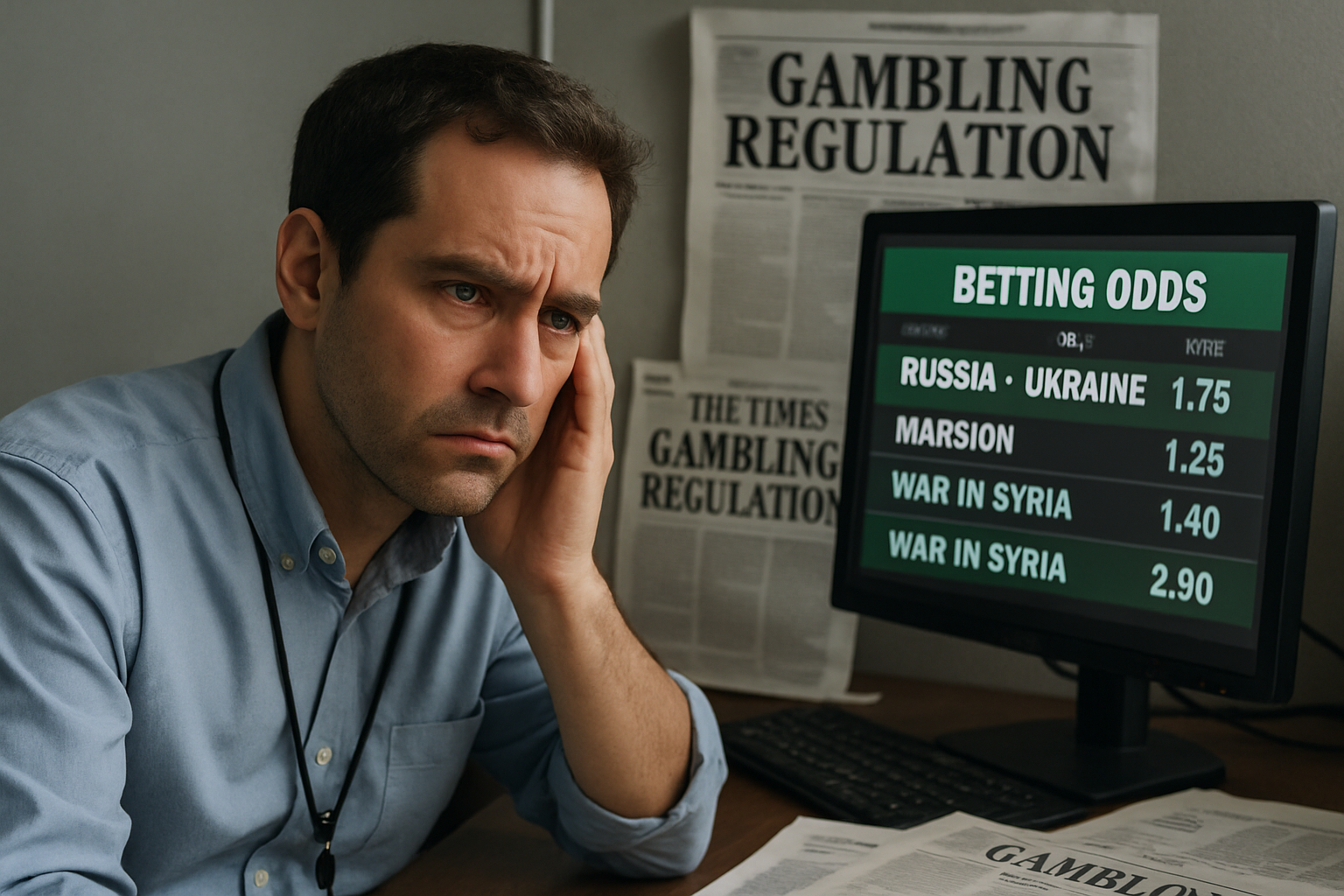
Australian punters are circumventing bans on controversial prediction markets like Polymarket, where betting on geopolitical conflicts including the US-Israel-Iran war has triggered serious ethical concerns and fears of insider trading, while journalists covering these sensitive markets face unprecedented death threats.
Banned Platforms, Continued Access
Despite regulatory restrictions, Australian gamblers continue accessing offshore platforms like Polymarket through virtual private networks and other circumvention methods. The platform, which has been banned in Australia, allows users to place wagers on real-world events including military conflicts, political outcomes, and other sensitive international developments.
The situation reflects broader challenges facing gambling regulators worldwide as digital platforms operate across jurisdictions, making enforcement increasingly complex. Traditional regulatory approaches designed for casino and sports betting struggle to address the rapid evolution of prediction markets that blur the lines between gambling, financial speculation, and news consumption.
War as Entertainment: Ethical Boundaries Crossed
The emergence of betting markets on active military conflicts raises fundamental ethical questions about the commodification of human suffering. Polymarket and similar platforms have hosted markets on casualties, military outcomes, and geopolitical developments in regions experiencing active warfare.
These markets have attracted particular scrutiny following the US-Israeli military operations in the Middle East, where betting activity on leadership outcomes and conflict escalation has created what critics describe as "profiting from tragedy." The situation becomes more troubling when considering that some bettors may have access to classified or sensitive information that gives them unfair advantages.
Insider Trading Concerns
The case of trader "Magamyman," who reportedly made $553,000 betting on specific Middle Eastern leadership outcomes, has raised serious questions about insider trading in prediction markets. The substantial profits achieved through what appeared to be well-informed positions on highly sensitive geopolitical events suggest potential access to non-public information.
Financial regulators are examining whether existing insider trading laws apply to prediction markets, particularly when participants may have privileged access to government intelligence, military planning, or diplomatic communications. The challenge lies in determining whether these platforms constitute financial markets subject to traditional securities regulation.
Journalist Safety Crisis
Reporters covering the intersection of gambling and geopolitical events are facing unprecedented threats to their safety. Journalists investigating betting patterns on sensitive international developments have received death threats, highlighting the dangerous convergence of gambling interests, political tensions, and media coverage.
The threats against journalists represent a broader pattern of press freedom deterioration globally. According to the Committee to Protect Journalists, 129 journalists and media workers were killed globally in 2025, marking one of the deadliest years for press freedom in recent history. The addition of gambling-related threats creates a new dimension to journalist safety concerns.
"The targeting of journalists covering gambling on sensitive political events represents a dangerous escalation in threats to press freedom."
— Press Freedom Advocate
Regulatory Response and Challenges
Government responses to war betting have varied significantly across jurisdictions. The Netherlands' gambling authority (KSa) has threatened Polymarket with €420,000 weekly fines for operating without proper licensing, while Ghana has implemented some of Africa's strictest cryptocurrency advertising bans affecting prediction platforms.
However, the global nature of these platforms creates enforcement challenges. Users can easily access banned sites through technical workarounds, while platforms can relocate operations to more permissive jurisdictions. This regulatory cat-and-mouse game leaves consumer protection gaps and enables continued operation of ethically questionable betting markets.
Male Demographics Disproportionately Affected
Research from Ontario reveals concerning gender disparities in problem gambling following market deregulation. A 317% surge in gambling-related mental health helpline contacts occurred "almost exclusively among boys and men," revealing pronounced gender vulnerabilities in modern gambling environments.
The pattern mirrors broader concerns about male mental health and digital addiction. Sports betting marketing specifically targets male demographics, while the competitive nature of prediction markets appeals to risk-taking behaviors that may be more prevalent among young men. This demographic concentration amplifies the public health implications of unregulated betting markets.
Technology and Enforcement Gaps
The sophisticated technical infrastructure behind modern prediction platforms creates new challenges for regulators. Global semiconductor shortages and memory chip price increases have created a "critical vulnerability window" until 2027, affecting both platform operations and regulatory monitoring capabilities.
Meanwhile, artificial intelligence is being used to enhance both gambling platforms and enforcement efforts. Criminal networks are using AI for automated vulnerability detection and attack vectors, while regulators struggle with resource limitations and outdated technical infrastructure.
International Cooperation Needed
The global nature of prediction market gambling requires unprecedented international cooperation. Successful operations like the recent takedown of criminal networks demonstrate coordination potential, but traditional law enforcement remains inadequate against digitally native organizations that can instantly relocate across jurisdictions.
European initiatives including criminal liability frameworks for technology executives represent one approach, while Asian countries are pursuing educational strategies emphasizing digital awareness and parental responsibility. The effectiveness of these different regulatory philosophies will likely influence global approaches to gambling regulation.
Looking Forward: Balancing Innovation and Protection
The challenges posed by war betting platforms reflect broader tensions between technological innovation and consumer protection. While prediction markets can provide valuable insights into public sentiment and future outcomes, their application to sensitive geopolitical events raises serious ethical and practical concerns.
Resolution requires coordinated action addressing the technological, legal, and ethical dimensions of modern gambling. This includes protecting journalist safety, preventing insider trading, addressing gender-specific gambling vulnerabilities, and developing international frameworks capable of governing cross-border digital platforms.
The stakes extend beyond individual gambling harm to fundamental questions about how societies regulate technology, protect press freedom, and maintain ethical boundaries in an interconnected digital world. Success in addressing these challenges will likely determine whether prediction markets evolve toward beneficial social applications or remain sources of exploitation and instability.