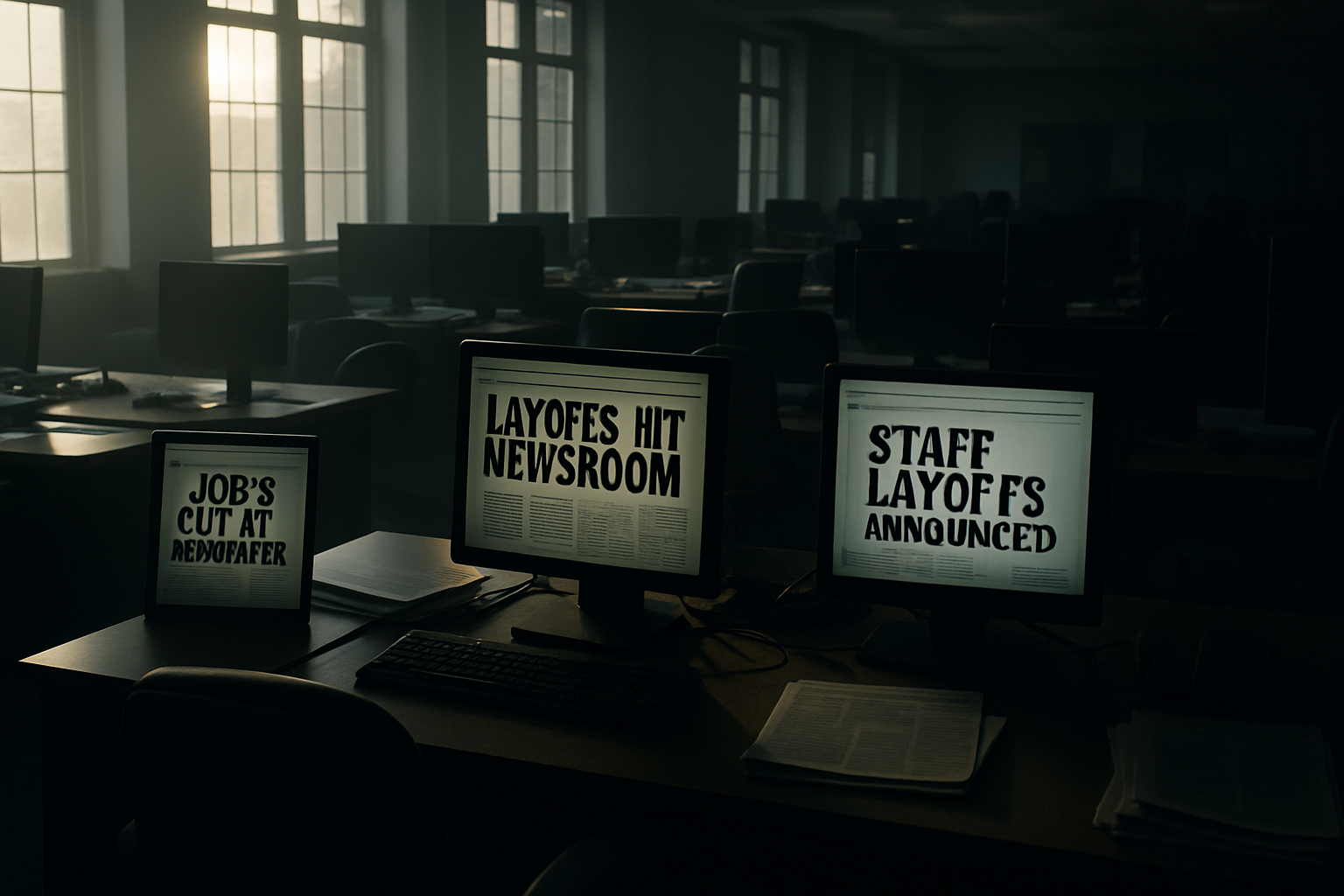
The Washington Post began implementing devastating layoffs on Wednesday, cutting one-third of its workforce across all departments in what sources described as a "bloodbath" that will fundamentally reshape one of America's most prestigious newspapers.
Executive Editor Matt Murray announced the sweeping job cuts during a company-wide video call with staff, confirming that the reductions would affect hundreds of journalists and support staff across the newsroom's international, editing, metro, and sports desks. The announcement marks one of the most severe downsizing efforts in the 145-year history of the newspaper owned by Amazon founder Jeff Bezos.
"For too long, we've operated with a structure that's too rooted in the days when we were a quasi-monopoly local newspaper," Murray told staff during the call, according to a recording shared with Reuters. "We need a new way forward and a sounder foundation."
Sports Department Completely Eliminated
In perhaps the most shocking aspect of the cuts, The Post will completely close its sports department "in its current form," Murray announced. The decision represents a dramatic retreat from comprehensive sports coverage that has been a staple of major American newspapers for decades.
"We will be closing the sports department in its current form," Murray said during the 6:30 PM ET call. "All departments are impacted. Politics and government will remain our largest desk and will remain central to our engagement and subscriber growth."
The elimination of the sports section comes just days after the newspaper scaled back its coverage of the 2026 Winter Olympics amid mounting financial losses, signaling the depth of the publication's economic challenges.
International Coverage Drastically Reduced
The layoffs will also severely impact The Post's international footprint, with significant cuts to foreign correspondence that have long been a hallmark of the newspaper's comprehensive global coverage. Among the affected journalists are high-profile reporters including Amazon beat reporter Caroline O'Donovan and Cairo Bureau Chief Claire Parker, along with other Middle East correspondents.
The reduction in international coverage represents a significant blow to American journalism's ability to provide on-the-ground reporting from critical global hotspots and represents a retreat from the newspaper's traditional commitment to world news coverage.
Financial Crisis Behind Dramatic Cuts
The layoffs come amid severe financial pressures facing The Washington Post, which has struggled with declining readership and advertising revenue in an increasingly competitive digital media landscape. Sources familiar with the matter indicate that the newspaper has been operating at significant losses, forcing ownership to implement these drastic cost-cutting measures.
The financial challenges have been compounded by broader industry trends affecting traditional print media, as news organizations nationwide grapple with the transition to digital platforms while maintaining editorial quality and comprehensive coverage.
"The actions we are taking include a broad strategic restart"
— Matt Murray, Executive Editor
Industry Veterans Call It "Darkest Days"
The severity of the cuts has drawn criticism from prominent figures in American journalism. Former Washington Post Executive Editor Marty Baron, a legendary figure in American journalism, described the layoffs as among the "darkest days" in the newspaper's history, highlighting the devastating impact on one of the country's most important news organizations.
One current Post reporter, speaking on condition of anonymity due to the sensitive nature of the situation, characterized the cuts as a "bloodbath," reflecting the shock and dismay among remaining staff members who witnessed colleagues lose their positions.
Bezos Ownership Under Scrutiny
The layoffs have intensified scrutiny of Jeff Bezos's ownership of The Washington Post, which he purchased in 2013 for $250 million. Critics have pointed to recent controversies, including the newspaper's decision not to endorse a presidential candidate in the 2024 election, which reportedly cost the publication approximately 250,000 subscribers.
The connection between Bezos's business interests and editorial decisions has become a subject of ongoing debate, with some observers suggesting that the Amazon founder's other business concerns may be influencing the newspaper's editorial direction and financial priorities.
Broader Implications for American Journalism
The Washington Post's massive layoffs represent more than just corporate restructuring; they signal a broader crisis facing American journalism. The elimination of sports coverage and reduction in international reporting reduces the diversity of news available to American readers and potentially creates gaps in coverage of important global events.
The cuts also reflect the ongoing challenge facing traditional media organizations as they attempt to adapt to changing consumer preferences and digital advertising markets while maintaining the comprehensive coverage that has traditionally defined quality journalism.
Strategic Refocus on Politics and Government
Despite the widespread cuts, Murray emphasized that politics and government coverage would remain the newspaper's primary focus, describing these beats as "central to our engagement and subscriber growth." This strategic decision reflects The Post's recognition of its core strengths and audience interests, particularly given its location in the nation's capital.
The refocus on political coverage may help the newspaper maintain its relevance and readership, but critics argue that the elimination of other coverage areas diminishes the publication's role as a comprehensive news source for American readers.
Impact on Remaining Staff
The layoffs have created significant uncertainty among remaining Washington Post employees, who must now adapt to a dramatically reduced newsroom while attempting to maintain the publication's editorial standards and coverage quality.
The restructuring will require surviving staff members to take on expanded responsibilities and potentially cover beats previously handled by multiple reporters, raising questions about the sustainability of comprehensive news coverage with a reduced workforce.
Looking Forward
As The Washington Post moves forward with its dramatically reduced staff, the newspaper faces the challenge of proving that its streamlined operation can maintain the editorial excellence and comprehensive coverage that has defined its reputation for nearly a century and a half.
The success or failure of this radical restructuring will likely serve as a case study for other traditional media organizations grappling with similar financial pressures and the ongoing transformation of the American news industry.
The layoffs represent a watershed moment for American journalism, as one of the country's most prestigious newspapers adapts to economic realities that have forced similar cutbacks across the industry, raising fundamental questions about the future of comprehensive news coverage in the United States.