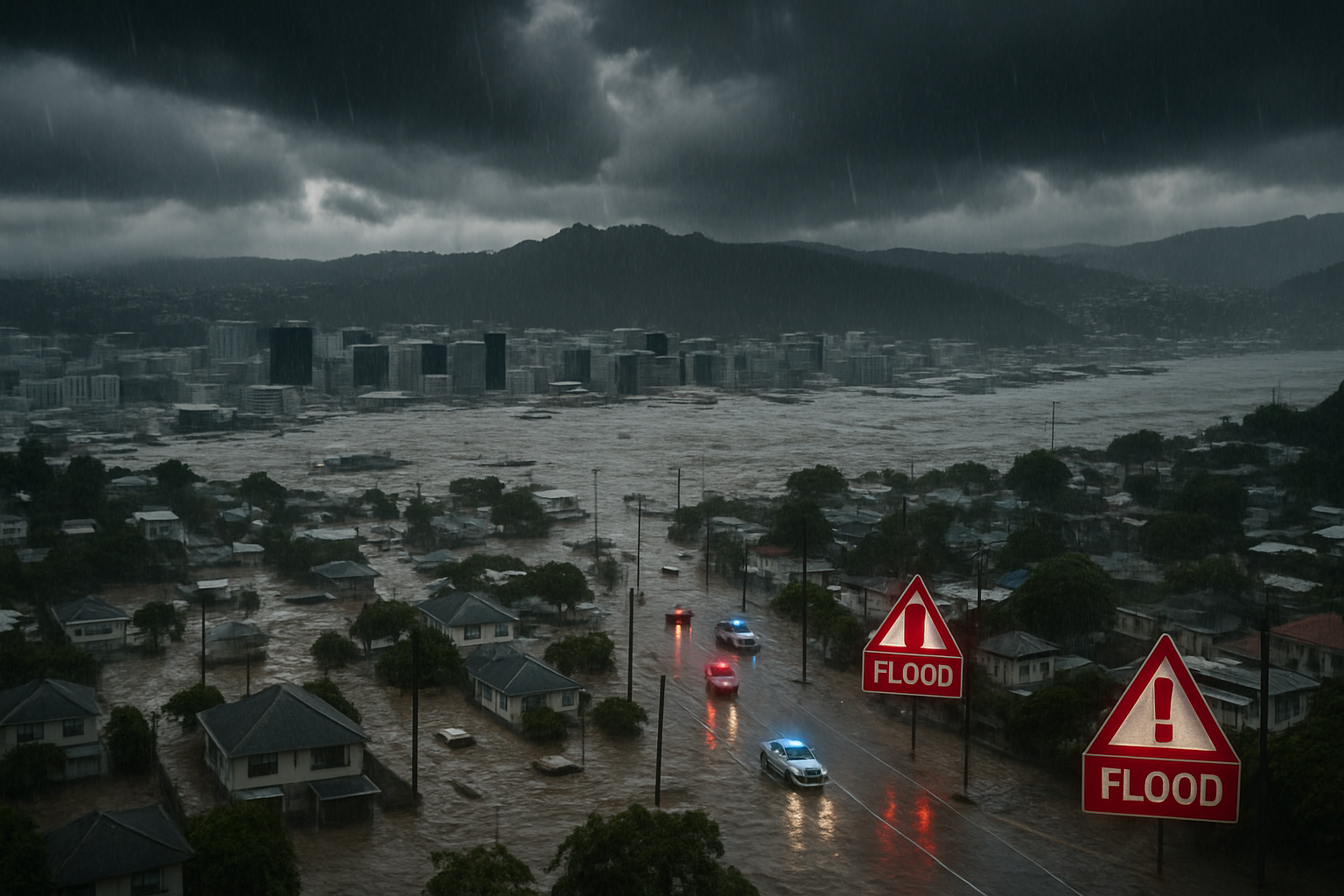
Wellington and the Wairarapa region are enduring another day of severe weather warnings as MetService maintains red heavy rain alerts across the flood-ravaged areas, while emergency teams continue the search for missing Wellington man Philip Sutton following devastating flash flooding that has left communities preparing for the worst.
The current crisis builds upon last week's catastrophic flooding event that saw 77mm of rainfall in just one hour, creating life-threatening conditions across New Zealand's capital. According to RNZ reports, residents are "doing what they can to prepare their shops and homes for another deluge" as red rain warnings remain in effect throughout the day.
Search Operations Continue for Missing Resident
Police have confirmed that search efforts for Philip Sutton, who went missing during the severe flooding, will be reassessed in daylight hours as overnight operations were hampered by dangerous weather conditions. "A plan will be made to continue the search in daylight once conditions can be assessed," police officials stated, highlighting the challenging circumstances facing emergency responders.
The search operation has been significantly complicated by the ongoing severe weather, with emergency teams forced to suspend operations overnight due to safety concerns. The missing person case adds a tragic human element to what is already New Zealand's most severe flooding crisis in recent memory.
Infrastructure Overwhelmed by Unprecedented Conditions
The current flooding event has exposed critical vulnerabilities in Wellington's infrastructure, with drainage systems completely overwhelmed by the intensity of precipitation. Video footage from the Brooklyn Road area shows "the entire ground floor of their Brooklyn Rd home was flooded with water about 170cm deep," illustrating the catastrophic scale of the inundation.
Transportation networks across the region remain severely disrupted, with multiple road closures and public transport services operating on reduced schedules. The flooding has demonstrated the inadequacy of current infrastructure to cope with the increasing intensity of extreme weather events, prompting urgent discussions about climate adaptation measures.
Red Weather Warnings Across Multiple Regions
MetService has issued comprehensive red heavy rain warnings for both Wellington and the Wairarapa, the highest level of weather alert indicating immediate danger to life and property. These warnings cover not only the capital city but extend across the broader Wellington region, affecting hundreds of thousands of residents.
The weather service has emphasized that "red heavy rain warnings are in place for Wellington and the Wairarapa," with forecasters warning that conditions may persist throughout the day. Emergency officials are urging residents in flood-prone areas to remain vigilant and be prepared for potential evacuation orders.
Community Response and Emergency Preparations
Local communities across Wellington are mobilizing to protect their properties and businesses from another potential deluge. Shop owners and residents are implementing emergency measures, with many having learned hard lessons from the previous flooding events that have struck the region repeatedly in recent months.
The repeated nature of these extreme weather events is taking a significant toll on community morale and economic stability. Many businesses are questioning their ability to continue operating in the face of such frequent and severe disruptions, while residents face the ongoing stress of potential evacuation and property damage.
Historical Context of Wellington's Weather Crisis
The current flooding crisis represents part of a broader pattern of extreme weather events that have struck New Zealand throughout 2026. Wellington and the surrounding regions have experienced multiple severe weather emergencies, including the February Ōtorohanga flooding that claimed at least one life and the March Banks Peninsula isolation caused by rainfall ten times the monthly average in just 48 hours.
These events are occurring during what climate scientists describe as the 24th consecutive month of global temperatures exceeding 1.5°C above pre-industrial levels – the longest sustained warming period in recorded history. This unprecedented warming is contributing to the intensity and frequency of extreme weather events across New Zealand and globally.
Emergency Services Under Strain
Emergency services across the Wellington region are operating at capacity limits as they manage both the ongoing search and rescue operations and preparations for potentially worsening conditions. The strain on emergency response capabilities has been evident throughout the series of weather emergencies that have struck New Zealand in recent months.
Emergency Minister Mark Mitchell has previously acknowledged the stretched nature of emergency response capabilities, noting the challenge of managing recovery efforts while simultaneously preparing for new threats. The current situation exemplifies these challenges as teams must balance search operations with flood preparation activities.
Climate Change and Infrastructure Adaptation
The Wellington flooding crisis has become a stark example of the urgent need for climate adaptation measures across New Zealand's infrastructure. Traditional drainage systems and flood defenses, designed for historical weather patterns, are proving inadequate for the current intensity of extreme weather events.
Climate experts describe the current situation as a preview of conditions that may become routine in the 2030s without significant adaptation investments. The concept of "building back better" – creating climate-resilient infrastructure rather than simply replacing damaged systems – has evolved from an optional enhancement to what experts now describe as an essential survival strategy.
Economic and Social Impact
The repeated flooding events are having severe economic consequences across the Wellington region. Businesses face not only direct damage costs but also the broader economic impact of disrupted transportation networks, lost productivity, and reduced consumer confidence. The tourism sector, crucial to the regional economy, is particularly vulnerable to the ongoing weather disruptions.
Mental health services are reporting increased demand as communities cope with the repeated trauma of extreme weather events. The psychological impact of facing potential evacuation and property loss on a recurring basis is creating long-term challenges for community wellbeing that extend far beyond the immediate physical damage.
Looking Ahead: Preparing for Climate Volatility
As Wellington continues to face red weather warnings, the crisis highlights the broader challenge of adapting to what scientists term "permanent climate volatility." Traditional seasonal patterns that have guided planning and preparation for generations are no longer reliable frameworks for emergency management.
The international community is watching New Zealand's response to these repeated extreme weather events as a potential template for climate adaptation in other regions facing similar challenges. The lessons learned from Wellington's crisis – both successful adaptations and areas requiring improvement – may prove crucial for other communities worldwide as extreme weather events become more frequent and severe.
With additional weather systems developing and MetService maintaining red warnings across the region, Wellington's test of resilience continues. The ongoing search for Philip Sutton serves as a sobering reminder of the human cost of extreme weather, while the community's preparations for another potential deluge demonstrate the new reality of living with climate volatility.