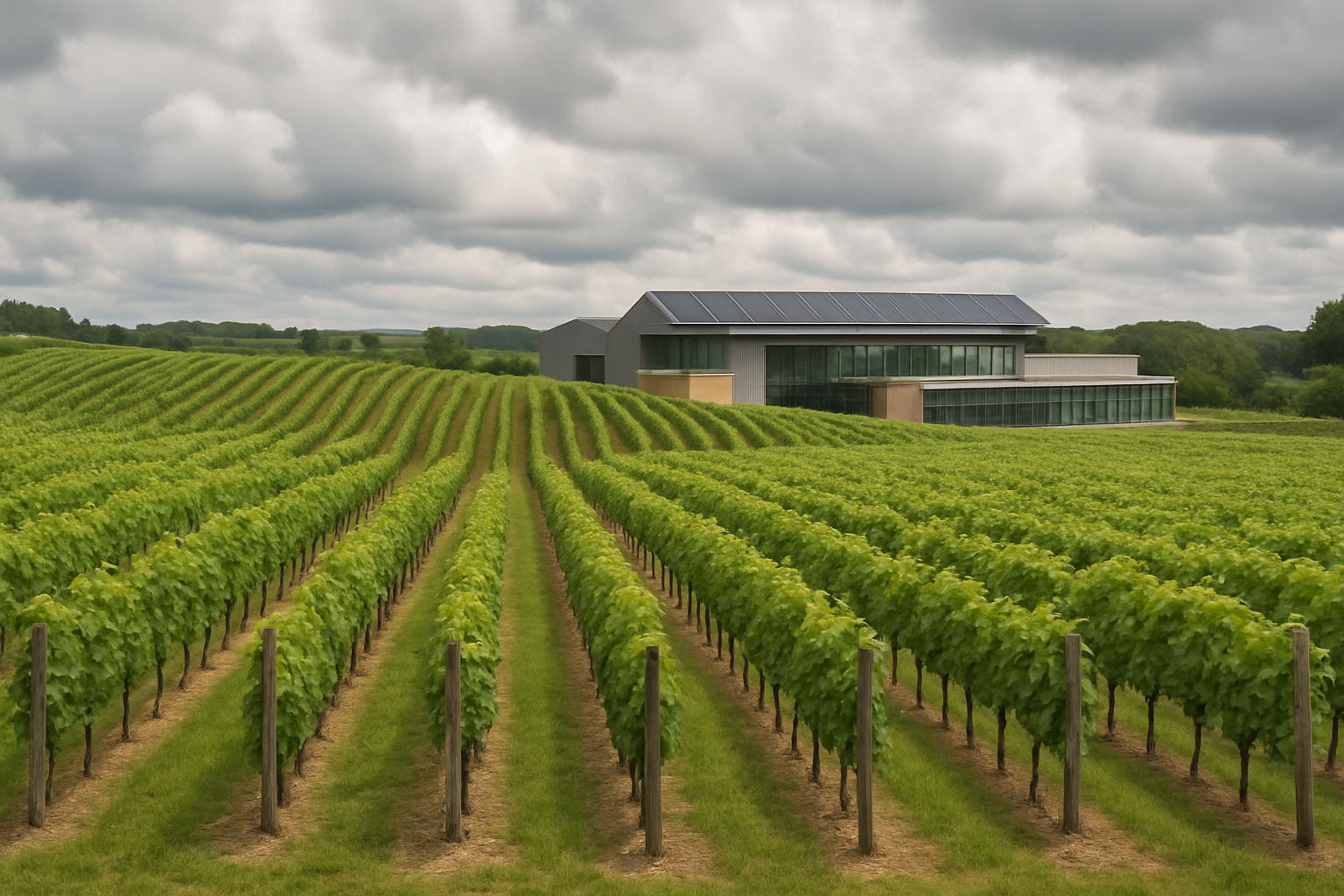
Belgium's West Flanders province is experiencing an unprecedented surge in wine production as climate change fundamentally alters the landscape of European viticulture, transforming what was once considered unsuitable terrain into prime grape-growing territory.
According to figures released by Flemish Agriculture Minister Jo Brouns, West Flanders has witnessed the most dramatic expansion of new wine growers across Belgium, with vineyard acreage increasing significantly in recent years. This remarkable transformation positions the province at the forefront of climate-induced agricultural adaptation in Northern Europe.
The expansion comes as January 2026 marked the 18th consecutive month of global temperatures exceeding 1.5°C above pre-industrial levels, creating conditions that have made traditional wine regions less viable while opening new opportunities in previously unsuitable northern latitudes.
Climate Change Catalyst
The warming climate has created ideal conditions for viticulture in West Flanders, where rising temperatures and altered precipitation patterns have extended growing seasons and reduced frost risks that historically made grape cultivation challenging. This phenomenon reflects broader changes across European wine regions, where traditional areas face increasing heat stress while northern territories emerge as viable alternatives.
The transformation aligns with broader European agricultural adaptation patterns documented across the continent. From Finland's successful winter raspberry cultivation to Romania's agricultural modernization, climate change is forcing rapid adaptation across European farming systems.
"The figures indicate that the area covered by vines has increased significantly," Minister Brouns confirmed, highlighting how West Flanders has become Belgium's most dynamic wine region. This growth represents part of a larger European wine industry evolution, where traditional boundaries are being redrawn by climate realities.
Environmental Concerns Shadow Success
However, this agricultural success story carries significant environmental costs that threaten to undermine its long-term sustainability. The rapid expansion has coincided with intensive pesticide use that puts considerable pressure on local ecosystems and water resources.
Wine growers in the region are employing pesticides at rates that environmental experts describe as "very intensive," creating potential contamination risks for soil and groundwater systems. This pattern mirrors broader concerns about agricultural intensification across Europe, where economic pressures often override environmental protection measures.
The intensive chemical use reflects the challenges facing new wine regions attempting to establish themselves quickly in competitive markets. Unlike established wine territories with decades of experience managing local pest and disease pressures, West Flanders producers are learning through trial and intensive intervention.
European Wine Industry Transformation
West Flanders' emergence as a wine region represents a microcosm of broader changes reshaping European viticulture. Traditional wine powerhouses including parts of France, Spain, and Italy are grappling with excessive heat, drought, and extreme weather events that threaten centuries-old production methods.
Meanwhile, regions previously considered marginal or unsuitable for wine production are experiencing rapid development. This includes not only Belgium but parts of the Netherlands, Denmark, and southern Sweden, where warming temperatures have made grape cultivation commercially viable for the first time.
The shift has significant economic implications for European agricultural policy and regional development strategies. West Flanders' wine industry expansion creates new employment opportunities and tourism potential while contributing to agricultural diversification that reduces dependence on traditional crops.
Balancing Growth and Sustainability
The challenge facing West Flanders and similar emerging wine regions lies in balancing rapid industry growth with environmental sustainability. The current model of intensive pesticide use represents a short-term solution that may compromise long-term viability through soil degradation and ecosystem disruption.
Industry experts suggest that sustainable viticulture practices, including integrated pest management, organic certification programs, and biodiversity conservation measures, will be essential for maintaining the region's emerging wine industry credibility. Consumer demand increasingly favors environmentally responsible production methods, particularly in premium wine markets.
The situation reflects broader tensions within European agriculture, where climate adaptation often conflicts with environmental protection goals. The EU's Common Agricultural Policy faces increasing pressure to balance productivity increases with ecological sustainability requirements.
Technology and Innovation Opportunities
West Flanders' wine industry expansion offers opportunities for incorporating cutting-edge agricultural technology from the outset. Unlike established regions constrained by traditional methods, new wine areas can implement precision agriculture, drone monitoring, and sustainable pest management systems from initial development phases.
Digital monitoring systems could provide real-time data on soil conditions, pest populations, and weather patterns, enabling more targeted and reduced chemical interventions. This technological integration could position West Flanders as a model for sustainable wine production in climate-adapted regions.
The province's proximity to major European research institutions and technology centers provides advantages for developing innovative viticulture solutions that could be exported to other emerging wine regions facing similar challenges.
Regional Economic Impact
The wine industry expansion represents a significant economic opportunity for West Flanders, traditionally known for agriculture, manufacturing, and port activities. Wine production creates value-added agricultural opportunities while supporting related industries including tourism, hospitality, and specialized equipment manufacturing.
The development could position West Flanders as a wine tourism destination, capitalizing on proximity to major European population centers and established tourist infrastructure. Wine routes, tasting facilities, and agricultural tours could provide additional revenue streams for local communities.
However, realizing this economic potential requires addressing environmental concerns that could undermine market acceptance and tourism appeal. Consumers increasingly associate wine quality with sustainable production methods and environmental responsibility.
Policy Implications
The West Flanders wine industry boom highlights the need for updated agricultural policies that address climate-induced sector shifts while enforcing environmental protection standards. Current regulatory frameworks may be inadequate for managing rapid agricultural transformation in emerging production areas.
Belgian and EU agricultural authorities face the challenge of supporting legitimate economic development while preventing environmental degradation that could compromise long-term sustainability. This includes developing appropriate pesticide use regulations, water protection measures, and soil conservation requirements specific to expanding viticulture.
The situation also demonstrates the need for integrated climate adaptation strategies that anticipate agricultural sector changes and prepare appropriate policy responses rather than reacting to developments after environmental problems emerge.
Looking Forward
West Flanders' wine industry transformation represents both opportunity and warning for climate adaptation in European agriculture. The province's success in establishing commercial wine production demonstrates the economic potential of climate-responsive agricultural development.
However, the environmental costs associated with intensive pesticide use illustrate the risks of prioritizing rapid growth over sustainable practices. The region's future success will depend on transitioning toward environmentally responsible production methods that maintain competitiveness while protecting local ecosystems.
As climate change continues reshaping European agriculture, West Flanders may serve as either a model for sustainable adaptation or a cautionary example of short-term thinking undermining long-term viability. The choices made in the coming years will determine which legacy this emerging wine region leaves for future generations.
The province's wine industry expansion occurs within the broader context of accelerating climate change that is fundamentally altering agricultural possibilities across Europe. Success in balancing economic opportunity with environmental responsibility could provide templates for other regions facing similar climate-induced agricultural transitions.