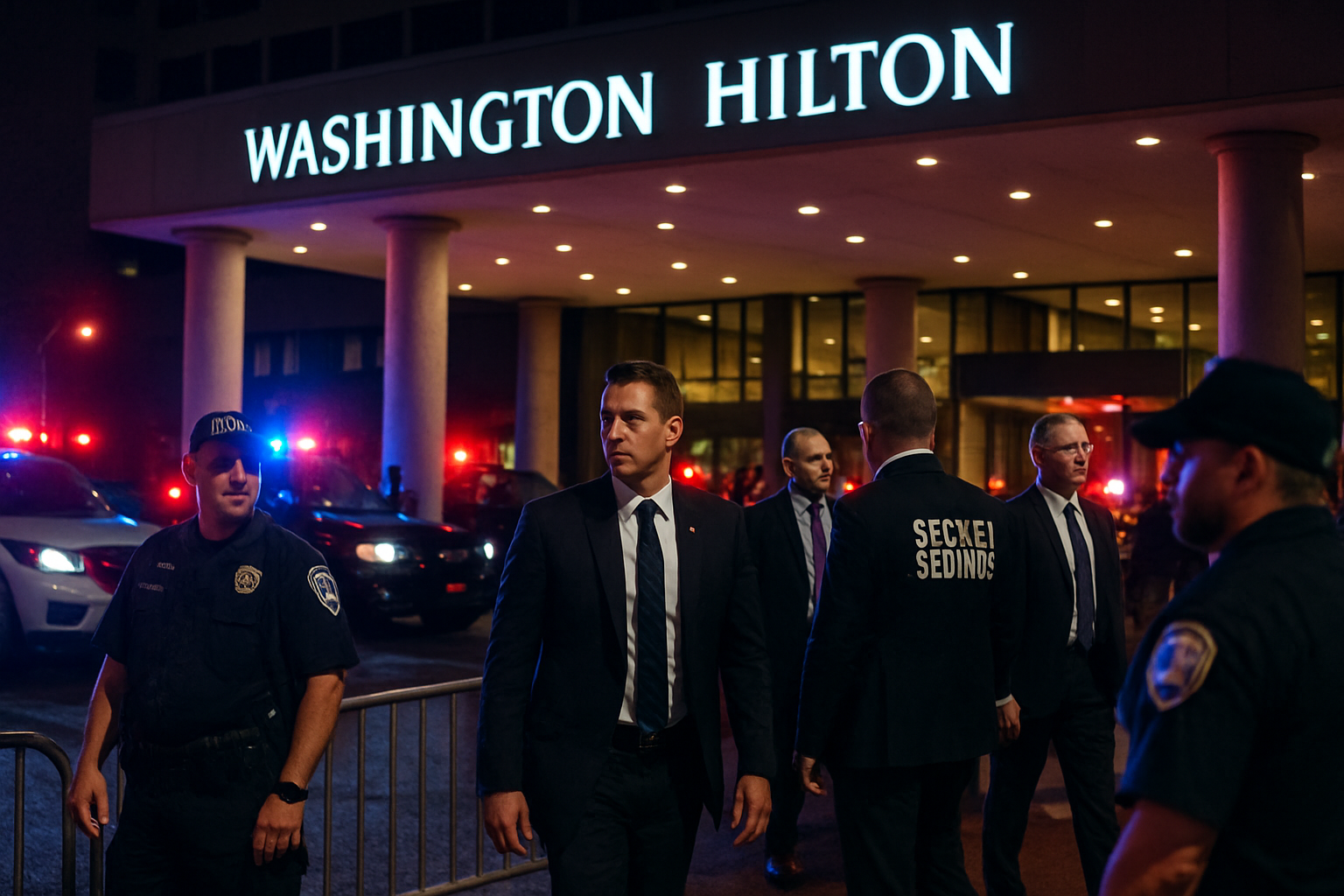
Security questions intensify following this weekend's incident at the White House Correspondents' Dinner, where despite a massive protective presence, concerns about presidential safety protocols have emerged after the dramatic events at Washington's Hilton hotel.
The annual gathering of media and political figures was transformed into a security scene as events unfolded that highlighted both the effectiveness of protective services and the ongoing challenges facing high-profile democratic gatherings in the current political climate.
Security Response Under International Scrutiny
International media coverage has been extensive, with Austrian outlets reporting that the suspected attacker was unable to reach President Trump, though criticism of security measures persists. The incident has drawn attention from multiple countries, reflecting global concerns about political violence and the security of democratic institutions.
German media analysis suggests that the events demonstrate the robust nature of American institutional frameworks, while French sources emphasize the importance of judicial independence in evaluating security protocols. Swedish reporting has provided detailed analysis of how security breaches of this nature are handled, drawing on their own experiences with protecting high-profile events.
Viral Moments Amid Crisis
Amid the serious security concerns, a lighter moment captured international attention when one dinner guest remained remarkably calm during the incident. Cypriot media highlighted the story of "the man with the salad," a guest who continued eating his meal while others evacuated or took cover under tables.
"I wanted to see the action," the guest reportedly explained later, becoming an unexpected viral sensation.
— Anonymous Guest, as reported by Cypriot media
This human interest story provided a moment of levity during what was otherwise a sobering reminder of the security challenges facing political events.
Conspiracy Theories and Misinformation
In the aftermath of the incident, conspiracy theories began spreading on social media platforms, with some claiming the event was staged in response to polling numbers. These unfounded theories highlight the challenge of maintaining accurate information flow during security incidents and the tendency for political events to be interpreted through partisan lenses.
Media literacy experts emphasize the importance of relying on verified sources and official statements when major security incidents occur, particularly given the speed at which misinformation can spread through digital channels.
Political Ramifications and Responses
The incident has prompted political responses across the spectrum. Romanian sources report that First Lady Melania Trump has criticized television host Jimmy Kimmel, accusing him of promoting "hate rhetoric and violence" following a monolog that sparked controversy within the administration.
This connection between media commentary and security concerns reflects broader debates about the relationship between political rhetoric and actual security threats, a discussion that has intensified following recent events.
Enhanced Security Protocols
Swedish media provides detailed coverage of how the suspected shooter managed to get as close as he did to his target, raising questions about current security protocols. The incident follows a pattern of security challenges that have prompted reviews of protective measures at high-profile political events.
Venezuelan sources report that FBI Director has promised new security protocols for future correspondent dinners, stating "We will be ready." This commitment to learning from the incident and improving protective measures demonstrates the adaptive nature of security services.
The suspect, identified in various sources as Cole Tomas Allen, is now the subject of a comprehensive federal investigation aimed at understanding both his motivations and any gaps in current security procedures.
International Context and Implications
The security incident occurs against a backdrop of heightened international tensions and security concerns. Multiple countries have expressed both relief that no serious injuries occurred and concern about the broader implications for political stability and democratic processes.
Al Jazeera's analysis suggests that the event raises important questions about Trump's security arrangements more broadly, particularly given the current complex international environment and ongoing diplomatic challenges.
The incident serves as a reminder that protecting democratic institutions and the officials who serve them remains a critical challenge requiring constant vigilance and adaptation. As investigations continue and security protocols are reviewed, the event will likely influence how future high-profile political gatherings are protected.
Looking Forward
As federal authorities continue their investigation and security services review their protocols, the incident at the White House Correspondents' Dinner serves as both a test of existing protective measures and a catalyst for improvements. The professional response of law enforcement and the continued commitment to protecting democratic gatherings demonstrate the resilience of American institutions, even as they face evolving security challenges.
The broader implications extend beyond any single event, touching on questions of political rhetoric, security in democratic societies, and the balance between accessibility and protection that defines modern political life. These considerations will continue to shape discussions about security protocols for political events in the months and years ahead.