The World Health Organization has issued urgent warnings about tuberculosis remaining a major public health threat, particularly in Afghanistan, while other countries demonstrate improved TB control measures, exposing critical global health disparities in the fight against one of the world's deadliest infectious diseases.
In Afghanistan, WHO officials confirmed that tuberculosis continues to pose a serious public health threat with thousands of new infections documented annually. The organization warned that many tuberculosis cases go undiagnosed, significantly increasing transmission risks and complications throughout the population. WHO representative Edwin Ceniza Salvador emphasized the urgent need for collective action to address the disease's devastating impact on vulnerable communities.
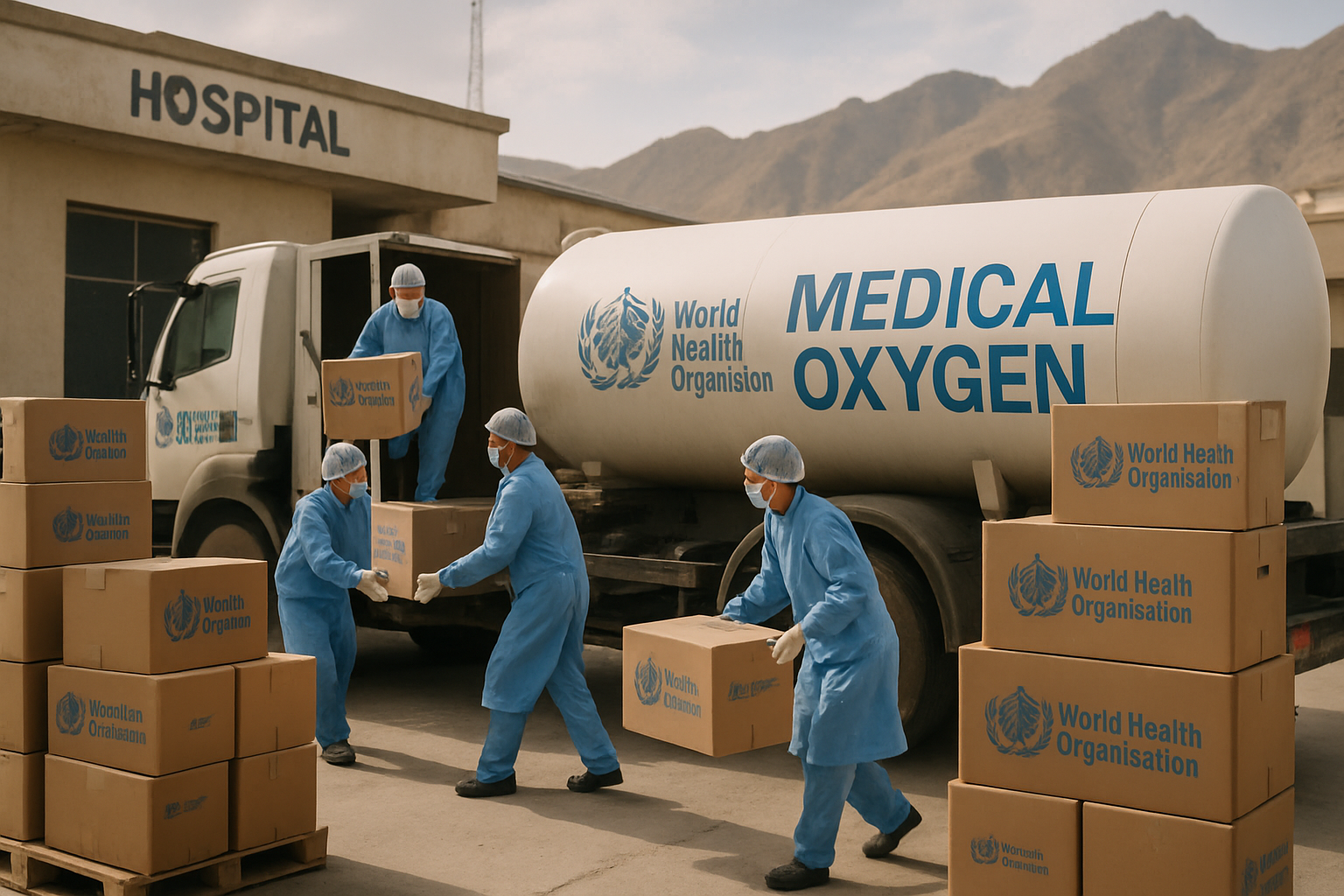
The stark warning comes as Afghanistan faces what WHO describes as the worst humanitarian crisis in 25 years, with the organization delivering medical oxygen to only 23 hospitals across the country and hundreds of health centers closed due to international aid cuts. The acute shortage of female medical professionals has become particularly problematic when cultural and religious norms require female patients to be treated by female healthcare providers.
Global TB Control Shows Mixed Results
While Afghanistan struggles with persistent TB threats, other nations are reporting significant progress in tuberculosis control measures. Bosnia and Herzegovina's Federal Institute of Public Health documented a notable decline in tuberculosis incidence rates, attributing the improvement to enhanced diagnostic capabilities, improved treatment protocols, and better living standards among the population.
According to officials from the Federal Institute of Public Health in BiH, tuberculosis remains continuously monitored through their epidemiological surveillance system, but recent years have shown encouraging trends. "Tuberculosis is a disease that is constantly present in our population, but in recent years it occurs less frequently than before," health officials reported, noting that the decline can be linked to improved diagnostics, treatment, and better living conditions.
The data reveals that the majority of TB cases in Bosnia and Herzegovina are registered in older age groups, particularly among individuals over 65 years old. Health officials emphasize that early diagnosis remains crucial as it enables timely treatment, preventing disease progression and reducing transmission rates within communities.
Portugal Reports Declining Childhood TB Cases
Portugal has documented significant progress in reducing tuberculosis cases among children, with the Directorate-General of Health (DGS) reporting 37 cases of tuberculosis in children and young people up to 14 years of age in 2024. Particularly encouraging was the decrease in cases among the zero to five years age group, suggesting effective prevention and early intervention strategies.
Portuguese health authorities recorded 1,536 tuberculosis cases nationwide in 2024, with 1,418 representing new cases. However, the data revealed concerning disparities in infection rates, with the migrant population showing a tuberculosis notification rate "2.7 times higher than the national average," highlighting the intersection between tuberculosis control and social determinants of health.
Health officials noted significant delays between symptom onset and treatment initiation, with patients experiencing more than two months between first symptoms and the beginning of treatment. This diagnostic delay represents a critical challenge in tuberculosis control efforts, as untreated patients continue to transmit the disease within their communities.
East and Southern Africa Face Persistent Challenges
Multiple countries in East and Southern Africa, including Uganda, Ethiopia, Kenya, Nigeria, and South Africa, remain among the high tuberculosis-burden settings globally according to international health experts. This classification underscores the persistent challenges these regions face in implementing comprehensive TB control programs.
In contrast to high-income countries where even small numbers of tuberculosis diagnoses generate headlines and prompt rapid public health responses, many African nations struggle with limited resources for surveillance, diagnosis, and treatment. Recent situations in cities like Seattle demonstrate how different resources and healthcare infrastructure can dramatically affect tuberculosis response capabilities.
The disparity in tuberculosis risk and response capacity has prompted calls for enhanced international cooperation and resource sharing. Health experts argue that tuberculosis risk should not depend on geographic location or economic circumstances, emphasizing the need for global solidarity in addressing this persistent health threat.
Malaysia Shows Effective Surveillance Systems
Malaysia has demonstrated effective tuberculosis surveillance and control through detailed geographical tracking and weekly reporting systems. Health Minister Datuk Seri Dzulkefly Ahmad confirmed that 35 active tuberculosis clusters remained from 88 clusters identified in 2025, with geographic distribution showing Selangor with the highest numbers, followed by Kelantan, Kedah, and Sarawak.
The Malaysian approach includes systematic cluster identification and monitoring, with authorities identifying 10 new tuberculosis clusters in early 2026. This proactive surveillance model reflects lessons learned from the pandemic about the importance of real-time disease monitoring and rapid response capabilities.
Malaysian health officials have emphasized respiratory precautions during festive seasons when increased social interaction can facilitate disease transmission. The detailed tracking system allows for targeted interventions and resource allocation based on geographic patterns and epidemiological data.
Healthcare System Vulnerabilities Exposed
The global tuberculosis situation reveals broader healthcare system vulnerabilities that extend beyond individual disease programs. Pakistan's medical association issued urgent national alarms over severe shortages of essential pediatric tuberculosis medications, warning of a potential "catastrophic surge" in drug-resistant TB among vulnerable children.
Reports indicate "near-total depletion" of first-line pediatric TB drugs, representing a breakdown of the National TB Programme's mandate to ensure life-saving treatment availability. Pakistan holds the fifth-highest global TB burden, making these medication shortages particularly dangerous for disease control efforts.
Healthcare facilities across Pakistan have reported systematic collapse of pediatric TB treatment programs, affecting the most vulnerable population and requiring immediate intervention to prevent irreversible health outcomes. The crisis highlights how supply chain disruptions can rapidly undermine years of progress in tuberculosis control.
Prevention-First Healthcare Revolution
The tuberculosis situation occurs within what health experts term the "Therapeutic Revolution of 2026," characterized by a fundamental shift toward prevention-first healthcare strategies. Countries implementing comprehensive prevention programs have reported improved community resilience, reduced emergency care demands, and enhanced population health outcomes.
Economic analyses demonstrate that prevention-focused approaches offer substantial cost reductions through decreased crisis interventions while achieving superior population health outcomes. The tuberculosis crisis underscores the importance of sustained investment in prevention programs rather than relying solely on treatment-focused approaches.
Despite funding challenges facing traditional multilateral health organizations like WHO, bilateral partnerships and regional cooperation continue driving innovation through peer-to-peer knowledge sharing and collaborative approaches to disease control.
International Cooperation Essential
The global tuberculosis situation demonstrates the critical importance of international cooperation in addressing health threats that transcend national boundaries. Disease patterns, treatment protocols, and prevention strategies require coordinated approaches that leverage diverse experiences and resources.
Success factors identified across different countries include sustained political commitment to healthcare investment, comprehensive professional training programs, authentic community engagement strategies, and international cooperation for knowledge sharing and resource optimization.
Technology integration has shown promise when it enhances rather than replaces clinical judgment and personal medical relationships, avoiding the "wellness paradox" where technological solutions create healthcare inequality rather than improving access and outcomes.
Climate and Environmental Factors
The tuberculosis crisis unfolds during challenging environmental conditions, with January 2026 marking the hottest recorded month globally and the 18th consecutive month of temperatures exceeding 1.5°C above pre-industrial levels. Climate change adds additional stress to healthcare systems already struggling with infectious disease control.
Environmental factors increasingly influence tuberculosis transmission patterns, treatment outcomes, and healthcare system resilience. Prevention-first strategies become particularly valuable for managing climate-related health challenges through proactive intervention rather than reactive crisis management.
Healthcare systems must now address immediate tuberculosis control needs while building long-term environmental resilience, making comprehensive approaches to disease prevention and healthcare infrastructure development more critical than ever.
Path Forward Requires Sustained Commitment
The mixed global tuberculosis situation in March 2026 represents a critical juncture for global health policy. Countries demonstrating success in TB control provide templates for effective disease management, while struggling regions highlight the urgent need for enhanced support and resources.
Success in tuberculosis control requires balancing scientific excellence with equitable access, ensuring that medical advances benefit all communities regardless of geographic or economic constraints. The integration of advanced medical techniques with comprehensive prevention strategies and authentic community engagement remains essential.
As the world continues to grapple with tuberculosis alongside other health challenges, the lessons from 2026's mixed progress underscore that sustained political commitment, adequate resource allocation, comprehensive professional training, and continued international cooperation remain the foundations for effective global health security.
The tuberculosis situation serves as both a warning about persistent global health threats and a demonstration of what effective disease control can achieve when adequate resources, political will, and international cooperation align to protect vulnerable populations worldwide.